Stormont reports find NI businesses still face barriers under Windsor Framework
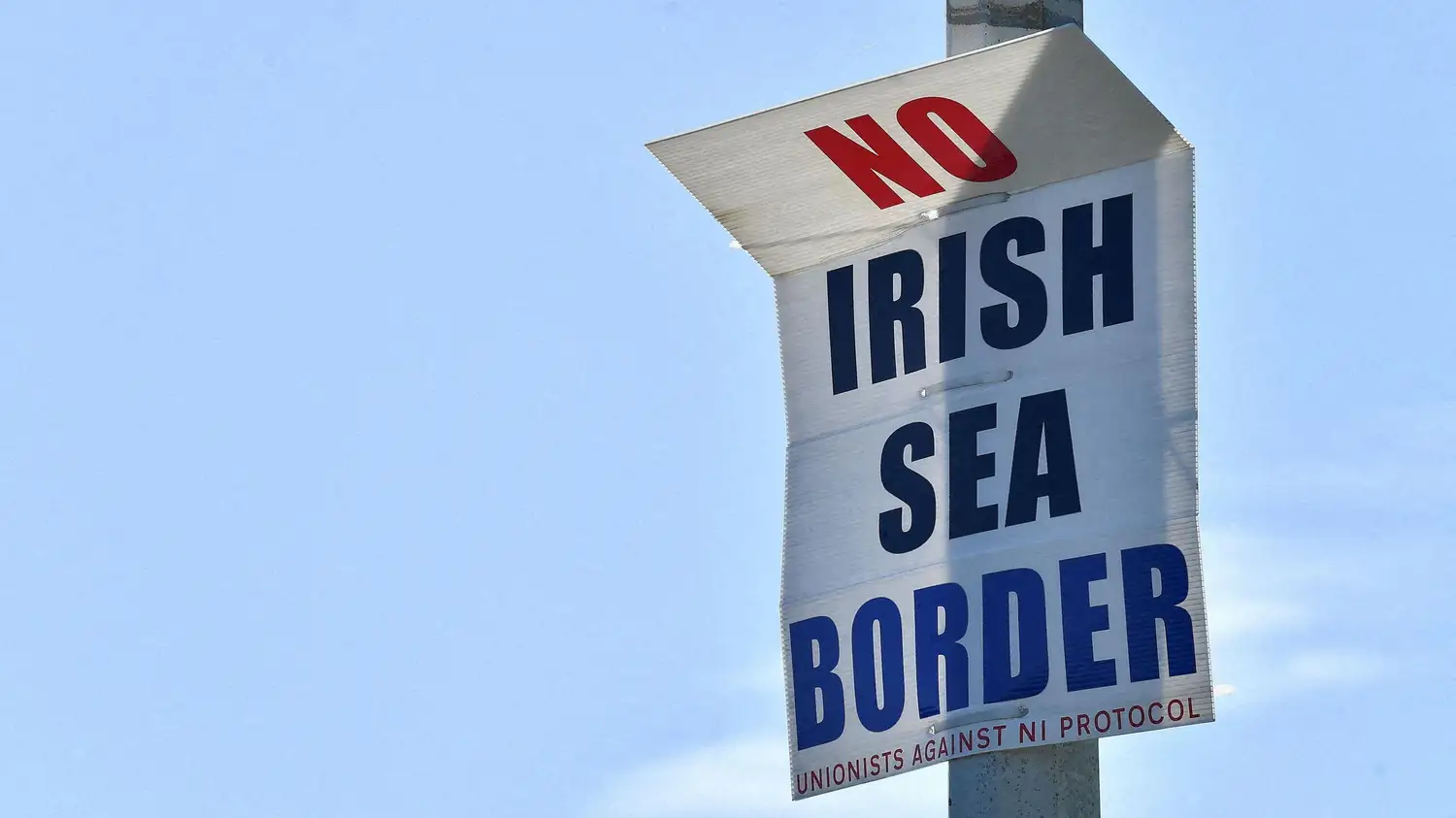
Two reports commissioned by Stormont's Department for the Economy have found that Northern Ireland businesses continue to face confusion and accumulating regulatory burdens under the Windsor Framework, the post-Brexit trading arrangement designed to ease the Irish Sea border.
The first report, written by economist Maureen O'Reilly, says the framework has brought greater stability but not simplicity. Businesses describe a trading environment that is more predictable than before but still marked by cumulative regulatory and compliance demands. Supply-chain pressures remain among the most significant constraints. Some GB suppliers have raised minimum orders, added administrative surcharges, or withdrawn from supplying Northern Ireland entirely. As a result, many firms have shifted sourcing to Ireland or the wider EU, often at greater cost.
The second report, from trade consultancy Fortior Insight, highlights continuing difficulties with GB suppliers. It found that in many cases suppliers have withdrawn from the Northern Ireland market before fully understanding the trade simplifications available. The report also suggests ongoing confusion about the concept of "at risk", which is central to the framework. The term applies to goods moved from GB to NI that could later cross the border into the Republic and become liable for EU tariffs. Fortior said public messaging has failed to make clear that "at risk" is simply about tariffs and does not denote compliance failure. The phrase has unintentionally created the perception that "at risk" is undesirable. In practice, many legitimate commercial models rely on "at risk" declarations as part of their supply chain structure.
Both reports also examine whether Northern Ireland businesses are benefiting from dual market access, the unique access to both the UK market and the EU single market. O'Reilly found that some firms are beginning to exploit the advantages, but the overwhelming feedback is that the benefits are heavily constrained by administrative realities. Many businesses reliant on GB supply chains find the administrative hurdles dampen the practical value of dual access.
The Windsor Framework was agreed by the UK and EU in 2023 to reduce the impact of the Irish Sea border. After Brexit, Northern Ireland remained inside the EU's single market for goods to prevent a hard border with the Republic of Ireland. This created a new trade border for goods coming into NI from other parts of the UK, requiring customs declarations and other paperwork.
A UK government spokesperson said the framework protects the Good Friday Agreement and maintains Northern Ireland's unique dual access, ensuring no hard border with the Republic. The spokesperson added that £16.6m will go into a new service to provide simpler, tailored support to businesses moving goods to Northern Ireland. Plans are also in place to sign an agri-food and drink deal with the EU at the upcoming UK-EU Summit, which will reduce costly red tape hindering GB-NI trade and pushing up food prices.
In a separate development, Sinn Féin MLA Declan Kearney has called for urgent action to remove barriers facing cross-border workers. He said more than 18,000 cross-border workers continue to face obstacles including complications around payroll, social security, pensions and health insurance. Kearney noted that cross-border trade has grown from €2 billion in 1999 to more than €17 billion today, and said the commitment made by the British Prime Minister and Taoiseach earlier this year to address these issues must be progressed urgently.