Former SAS officer denies shoot-to-kill operations during Troubles
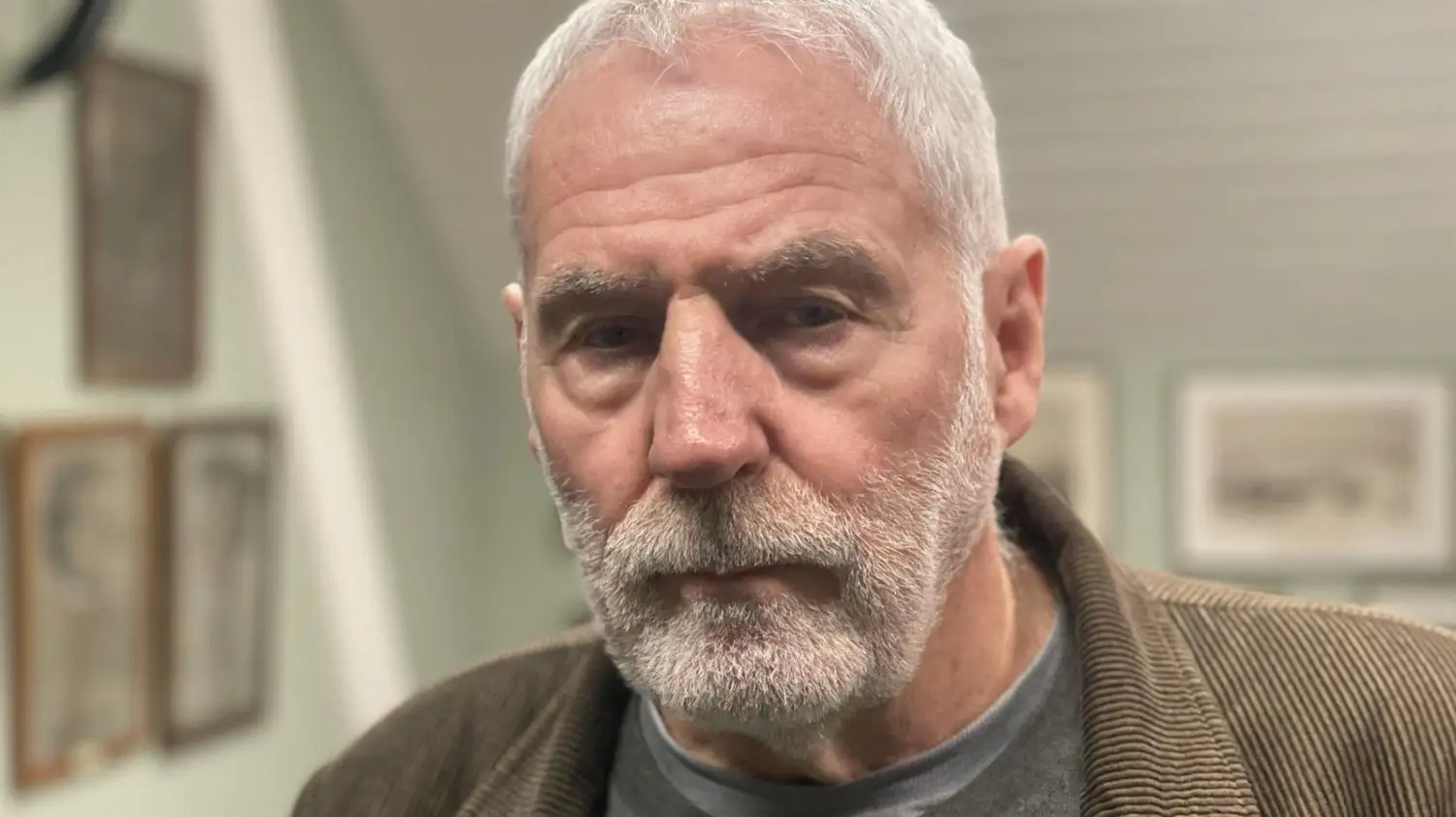
A former Special Air Service (SAS) officer has denied that the unit was involved in shoot-to-kill missions against the IRA during the Troubles in Northern Ireland. George Simm, who served in the 1970s and 80s, made the claim in a recent interview after remaining silent about his time in Northern Ireland for nearly 50 years.
Simm, now 72, said he had been involved in hundreds of operations, including an SAS ambush at Drumnakilly near Omagh in 1988 in which three IRA men were killed. He rejected claims by the families of those killed that the men could have been arrested, stating that the IRA members opened fire on him while he was posing as a lorry driver.
He described the moment the car carrying the IRA men approached, saying one of them fired a burst at him from the back window. Simm said he took evasive action and that bullets were flying everywhere before the car stopped and one of the IRA men ran around the back of the truck, at which point soldiers opened fire. He said the incident was over in three or four seconds.
Families of the dead men have disputed this account. Ignatius Harte, a brother of two of those killed, previously said the Army had prior knowledge that the men were armed and could have arrested and charged them at any time. He claimed the men were lured into an ambush and shot without warning.
Simm countered that when someone is shooting at you with a Kalashnikov at close range, it is not possible to think rationally. He said soldiers were ready for every operation, but the aim was often to arrest suspects and allow police to interrogate them. He said more people were arrested than killed by the SAS.
The former officer has gone public to challenge the government's legacy legislation, which is currently going through Westminster. He expressed frustration that the narrative around the regiment and the British Army had been perverted by politics and the legal process. He also criticised the Ministry of Defence for trying to censor veterans while ordering them into courtrooms.
The current Northern Ireland Troubles Bill replaces the previous Conservative government's 2023 Legacy Act, which introduced a ban on inquests and civil actions related to Troubles-era incidents. The bill proposes a legacy commission to investigate Troubles-related killings and a separate information recovery body.
Simm said he was no longer worried about personal safety and that a great many senior officers were now speaking out. He also challenged republicans, saying the IRA was now fighting the war by other means through social media.
Andrée Murphy from Relatives for Justice said legacy processes need to be respectful and sensitive to survivors of trauma rather than prioritising the feelings of those who pulled triggers. She argued there was often ample opportunity to intervene before operations reached the point of firefights, citing the Clonoe case where an inquest spoke of ample opportunity for arrest. Murphy said many soldiers who killed during the Troubles have never been investigated and should be asked questions in a human rights-compliant fashion.
The government has said the new legislation includes effective safeguards for any veteran who is asked to provide information to the Legacy Commission or a coroner.