Omagh bomb inquiry hears evidence on missing CCTV and warning calls
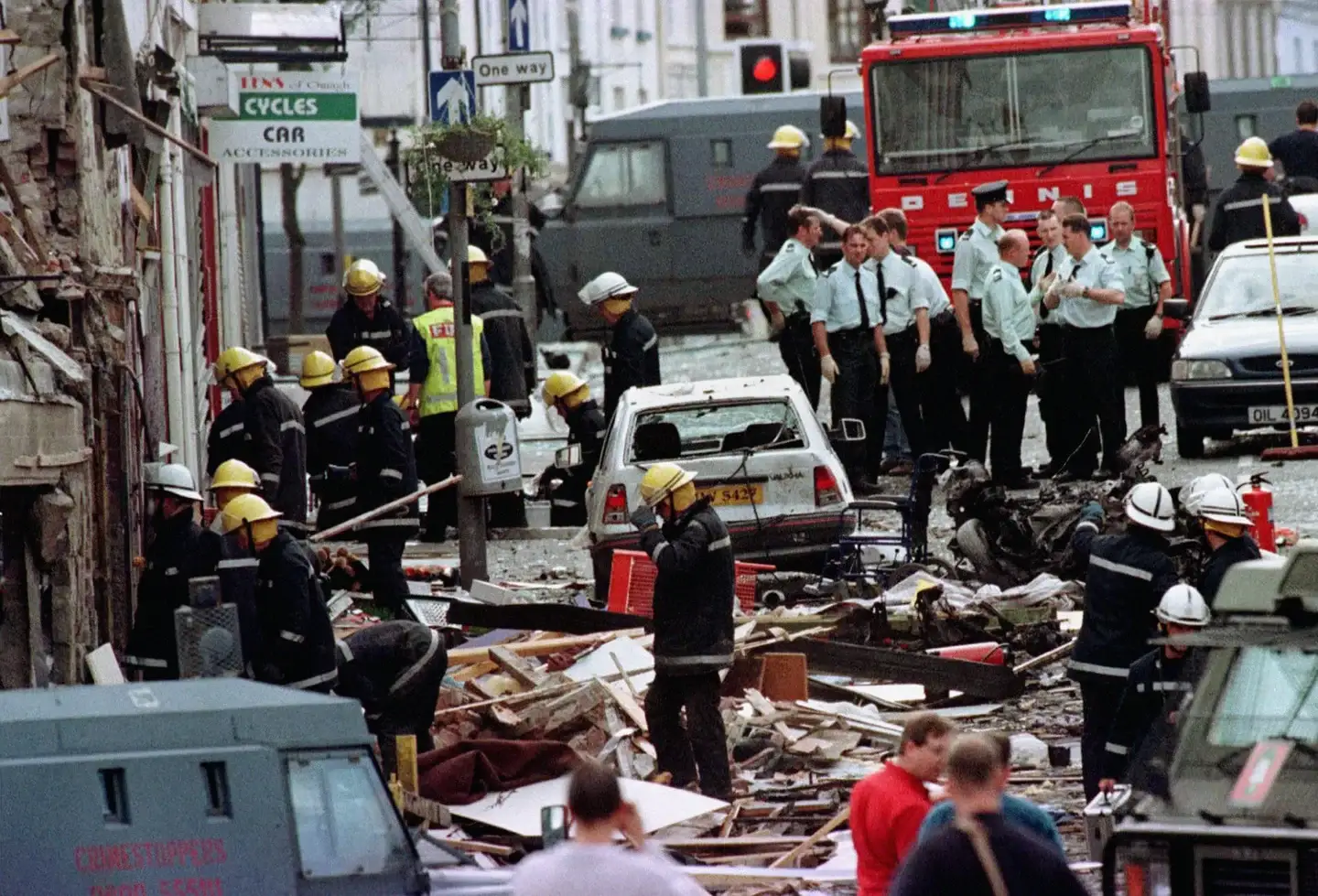
The public inquiry into the 1998 Omagh bombing has heard that CCTV footage from a checkpoint the bombers likely used to travel back into the Republic of Ireland was missing 22 minutes of footage. Detective Chief Inspector Ivan Gault, questioned by the inquiry's legal team, said the lack of footage was unfortunate and that there was no explanation for it, adding that there was no evidence to raise suspicions of interference with the footage.
The inquiry, established to determine if the bombing could have been prevented by UK state authorities, is examining the events surrounding the attack which killed 29 people, including a woman pregnant with twins, on 15 August 1998. The bombing came less than three months after the people of Northern Ireland voted yes to the Good Friday Agreement.
Gault said the Royal Ulster Constabulary gathered 237 CCTV tapes during its investigation but was unable to find any footage of the car crossing into Northern Ireland. While Aughnacloy is now believed to be where the bombers crossed from the Republic of Ireland, Gault said 52 locations were considered as possible border crossing points. He added that the RUC station in Aughnacloy had no facility to record passing cars and that at least 11 cameras were at the army checkpoint there. The inquiry also heard that some requests for CCTV footage from watchtowers in south Armagh were not made until 2005, and Gault said he did not know the circumstances of the original investigation.
Also giving evidence was Professor Heather Hamill, a sociology professor at Oxford University, who told the inquiry that code words were a distinctive feature of the Northern Ireland conflict. The Real IRA used the code word Martha Pope, derived from an American political aide who was a senior advisor for the Northern Ireland peace negotiations working for Senator George Mitchell, at least four times, including in all three warning calls about the Omagh bombing made 35 minutes before detonation. Hamill said the choice of the code word was effectively a political statement rejecting the peace process.
The inquiry heard audio from the warning calls, two to UTV newsroom in Belfast and one to the Samaritans branch in Coleraine. A UTV employee who took a call told police the caller sounded nervous and said there was a 500lb bomb in Omagh near the courthouse, spelling out the code word Martha Pope. She immediately phoned 999. Two minutes later she received another similar call. A Samaritans volunteer said the caller told her the bomb was 200 yards from the courthouse at High Street and Main Street and would go off in 30 minutes. The inquiry team said that due to the location of the calls, most likely there were two callers.
Data analyst Mark Safranauskas from Greater Manchester Police mapped the call locations, with cell site mast data placing two warning calls from public phone boxes in Forkhill and Newtownhamilton.
An RUC radio transmission was played, showing officers were told to clear people from the courthouse down to the junction with Bridge Street and to check cars, particularly those heavily laden or four-wheel drive vehicles. Around six minutes before the bomb detonated, John Street, George's Street, High Street and Market Street had been cleared and sealed off.
In a separate development, the Irish Department of Justice confirmed that Dublin High Court hearings related to the inquiry will be closed to media and the public. Relatives of victims may attend but their lawyers are not permitted to ask questions. Instead, Irish officials will be questioned by an Irish High Court Judge, and the legal representative of the inquiry chairman can only ask for clarifications. The transcript of oral evidence will be provided to the Belfast inquiry. Kevin Skelton, whose wife Philomena was killed, said last week he was finished with the Belfast inquiry after a senior Garda officer gave evidence by pre-recorded video and families submitted 53 questions with only around two answered.