Omagh bombing inquiry hears details of 27 key individuals and central Dundalk locations
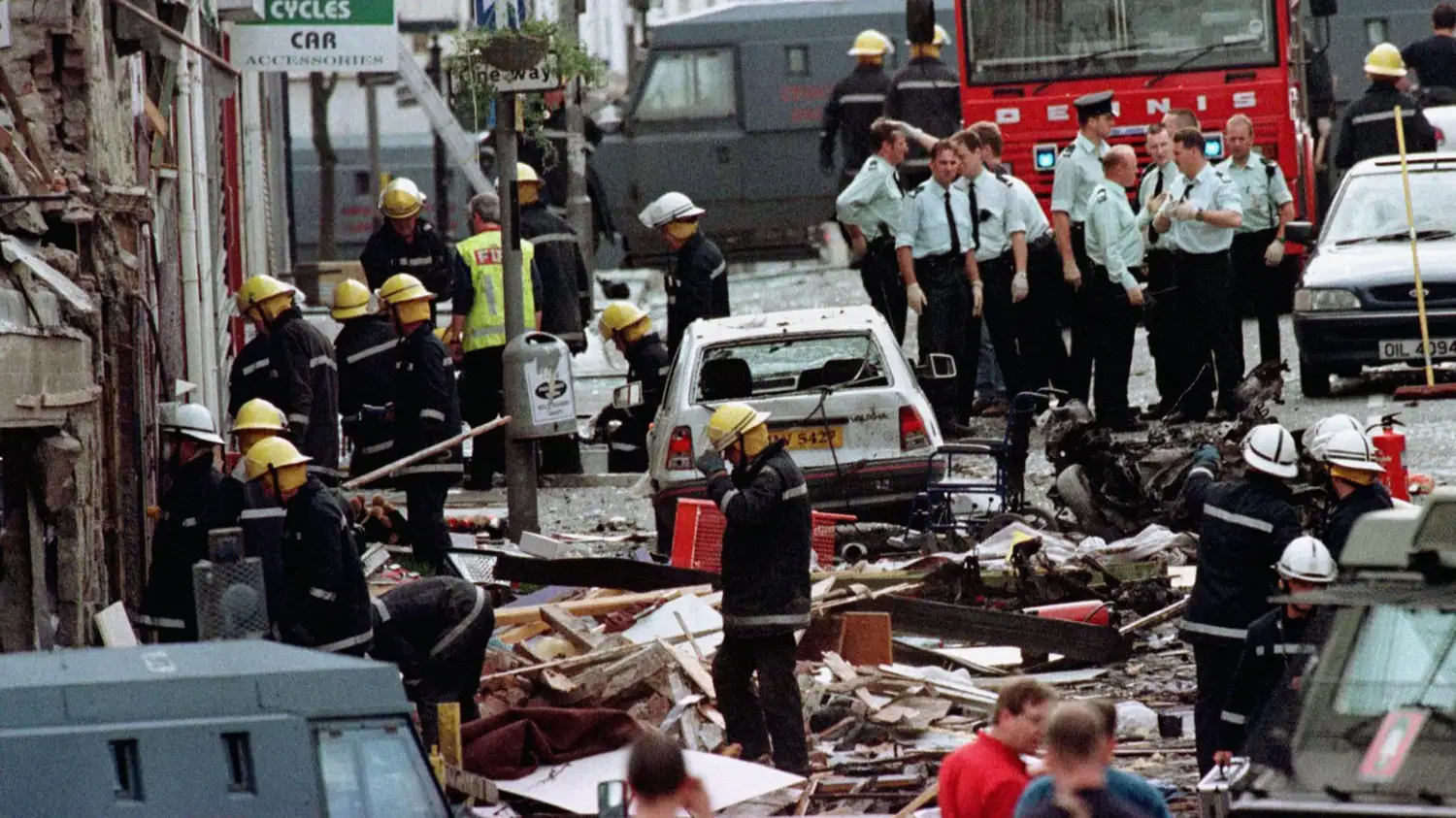
A data analyst has told the Omagh bombing inquiry that 27 people have been identified as key individuals in the investigation into the 1998 attack.
Mark Safranauskas, who has worked for Greater Manchester Police for more than 20 years, presented a detailed video presentation on Wednesday that mapped out business, family and social links among the individuals.
The presentation focused on the Coes Road and Bay Estate areas of Dundalk, in the Republic of Ireland, where some of the named people lived, worked or socialised. Safranauskas said those areas were central locations where there was a lot of contact between those listed.
The inquiry is examining whether the bombing, which killed 29 people including a woman pregnant with twins, could have been prevented by UK state authorities.
Paul Greaney KC, counsel to the inquiry, stressed that being named as a key individual did not mean someone was a suspect or had knowingly been involved in the bombing. Safranauskas had not conducted his own independent investigation but relied on material supplied by the inquiry legal team, Greaney said.
The presentation included maps and pictures of the individuals. Among those named were Michael McKevitt, Liam Campbell, Colm Murphy and Seamus Daly, who in 2009 were found liable for the Omagh bombing in a civil action and ordered to pay £1.6m in damages to relatives. Many of the key individuals were dissident republicans with previous convictions for offences such as IRA membership and possession of explosives.
Safranauskas was provided with information including video evidence, witness statements, and documents from the Police Service of Northern Ireland and An Garda Síochána. He also had access to mobile phone analysis reports and presentations by police and the British Army.
In a separate part of his evidence, Safranauskas linked particular mobile phone numbers to people within the group. A number of the numbers discussed were tracked to and from Omagh on the day of the explosion.
The inquiry has previously heard that up to 14 men were potentially involved in planning and carrying out the bombing. Three days after the attack, the Real IRA claimed responsibility and apologised to civilian victims, saying its targets had been commercial.
More than 200 people were injured in the blast, which was the single biggest atrocity of the Troubles. No one has ever been convicted in a criminal court for the murders.
The inquiry, established to determine if the bombing could have been prevented, opened last year with 14 days of testimony from bereaved families and survivors.