Trump's unity remarks raise questions about future US policy on Northern Ireland
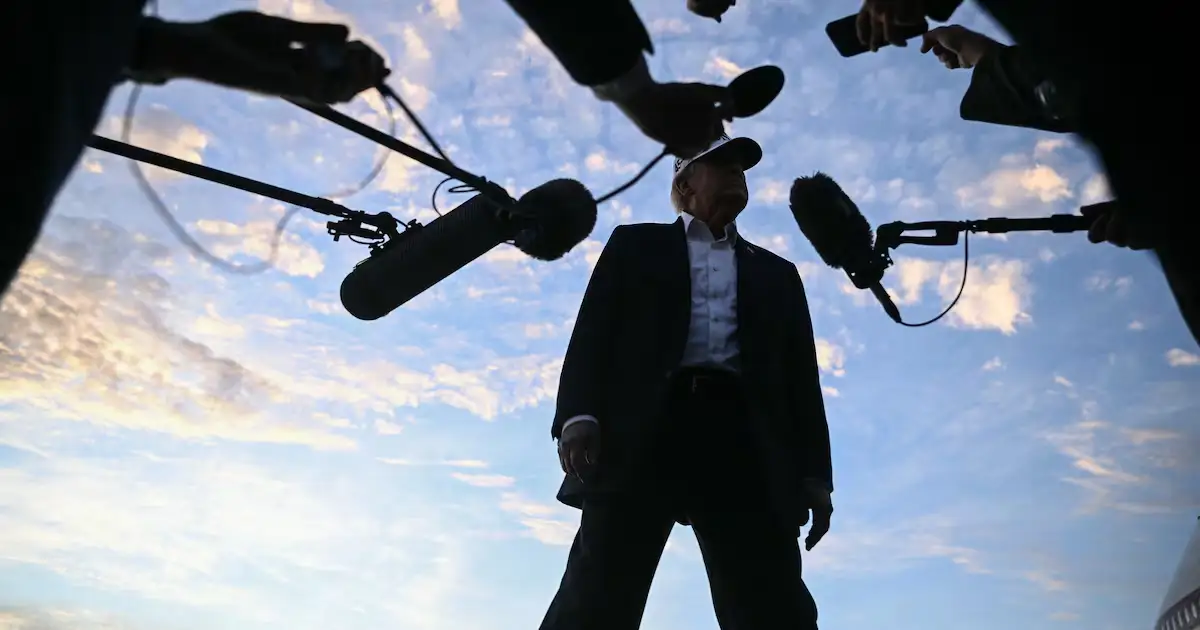
The US president has said he would love to see a united Ireland, a statement that has drawn attention to the potential for shifting American policy on Northern Ireland. The remark came during a weekend visit to Ireland, where the president spent time at his golf course in Doonbeg, County Clare.
The taoiseach acknowledged that some reaction to the president's comments was an overreaction, but also noted that the president did not retract or soften his statement. In fact, he repeated it, reinforcing the idea that the US may be open to discussing Irish unity in the future.
Historically, American presidents have played a role in Northern Ireland affairs. Jimmy Carter issued a statement in 1977 calling for power sharing and promising economic assistance, which was a diplomatic breakthrough at the time. Later, Margaret Thatcher said that pressure from the Americans made her sign the Anglo-Irish Agreement, and Bill Clinton gave a visa to Gerry Adams in the 1990s.
The taoiseach's visit was seen as largely successful in economic terms. The American-Irish economic model, which relies heavily on US companies operating in Ireland, remains intact. The president's playful description of some Irish business leaders as vicious bastards was taken as a backhanded compliment, indicating that Ireland still holds weight in his worldview.
However, the British home secretary has said that a border poll is off the table, citing demographic realities. The taoiseach's government has not contradicted this assessment, suggesting that while unity may be a long-term aspiration, the conditions for a poll are not currently met.
Despite the apparent lack of immediate policy change, the president's remarks may become an inflection point in American policy towards Northern Ireland. Ireland has played a long game in the US for decades, and the outcome of that engagement could have significant consequences given the island's strategic dependence on the United States.