DUP founding of Ulster Resistance resurfaces amid questions over weapons importation
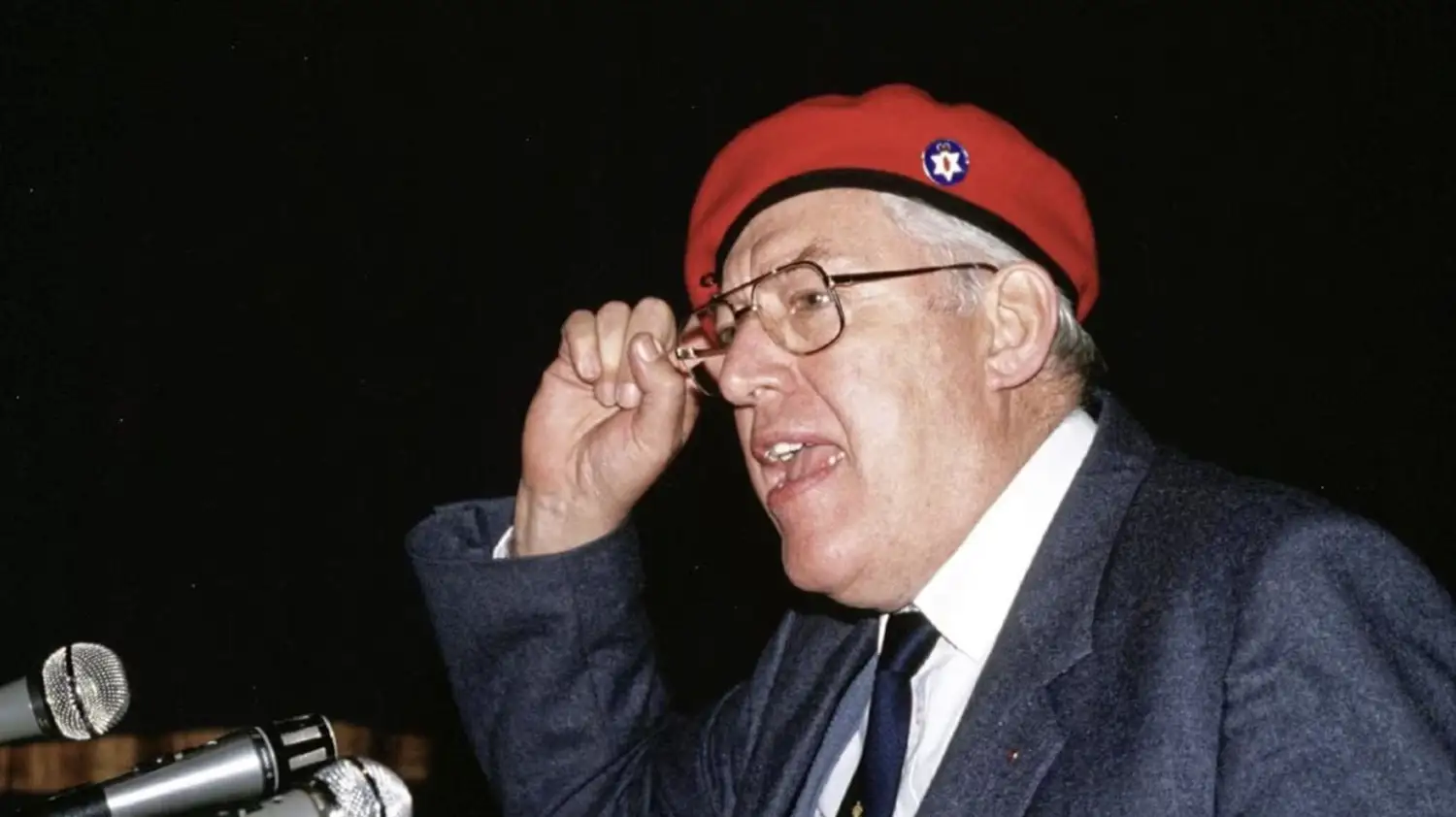
The Democratic Unionist Party's role in founding the loyalist paramilitary group Ulster Resistance in 1986 drew renewed attention after Sinn Féin's Carál Ní Chuilín asked a question about the connection in the Northern Ireland Assembly.
Ulster Resistance was established at an event in the Ulster Hall in November 1986, where senior DUP members appeared alongside figures later linked to loyalist paramilitarism and gunrunning. The group was formed in opposition to the Anglo-Irish Agreement.
Ní Chuilín's question prompted a discussion about the DUP's historical ties to the group, including its involvement in the importation of weapons. The DUP has maintained that it severed links with Ulster Resistance before the arms shipments arrived in late 1987, but no documentary evidence of a split has been produced.
Senior Ulster Resistance figures met arms dealers in Paris and Geneva in early 1987, at a time when the DUP had not publicly disavowed the group. Those meetings eventually led to a shipment of assault rifles, pistols, grenades, and rocket launchers.
The DUP has not provided details on when exactly its members left Ulster Resistance, and the party's press office has not responded to requests for clarification.
Sinn Féin has acknowledged its historic association with the Provisional IRA, which decommissioned its weapons as part of the peace process. Ulster Resistance never decommissioned, and its imported weapons remain unaccounted for.
The issue was discussed on BBC Talkback between commentator Squinter and Belfast Telegraph columnist Malachi O'Doherty. O'Doherty argued that Sinn Féin's own past undermines its right to question the DUP, while Squinter said that Sinn Féin's support for the Good Friday Agreement gives it standing to raise the matter.
The exchange highlighted the differing perspectives on legacy issues in Northern Ireland, where questions about paramilitary ties continue to surface in political discourse.
Previous incidents have underscored the sensitivity of such matters. In 2016, Arlene Foster, then DUP leader, faced criticism after singing at a party conference at the La Mon House Hotel, site of an IRA bombing in 1978. In 2018, Sinn Féin MLA Barry McElduff resigned after posting a video of himself with a Kingsmill loaf on the anniversary of the Kingsmill massacre.
Those episodes illustrated how actions perceived as disrespectful to victims can have political consequences, though outcomes differed.