Gordon Brown: Ireland will eventually be united
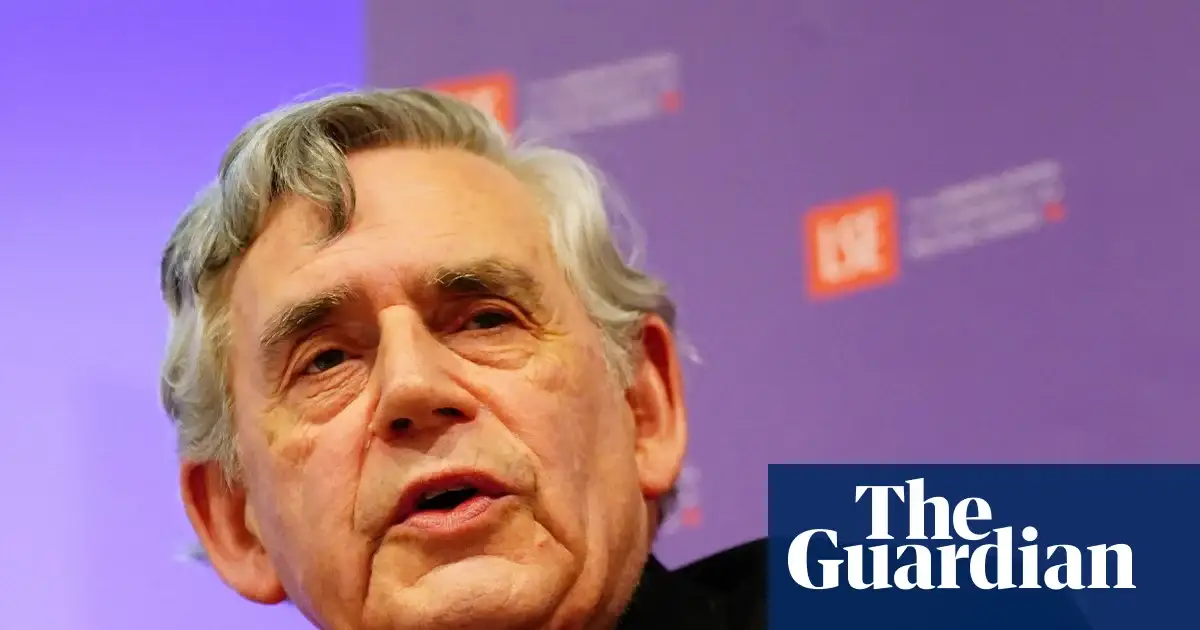
Former UK prime minister Gordon Brown has said that Ireland will eventually be united, describing the prospect as inevitable but acknowledging that any unification would be a long process requiring agreement.
In an interview, Brown, who was chancellor when the Belfast Agreement was signed in 1998 and prime minister when justice powers were devolved to Northern Ireland in 2010, said the geographical link between Northern Ireland and the Republic made unification logical.
He contrasted his stance on Northern Ireland with his opposition to Scottish independence, arguing that Scotland was geographically, economically, socially and culturally linked to the rest of the UK.
Asked about the geographical position of Northern Ireland, Brown replied that in the long term, Ireland will be united. He said it would involve people coming together to find a way of agreeing.
The comments come as debate continues over when a border poll might be called. Letters to the Irish Times have called on Northern Ireland Secretary Chris Bryant to set out criteria for calling a referendum. One suggested that a majority vote in the Northern Ireland Assembly in favour of Irish unity could be a trigger, with a substantial majority of at least 60 per cent.
Under the Belfast Agreement, the Northern Ireland Secretary has the power to call a border poll if it appears likely that a majority would vote for a united Ireland.
Brown's remarks are notable given his longstanding opposition to Scottish independence and his role in the peace process.