Fermanagh Free-Cycle Group Reaches 30,000 Members as Founder Urges Reuse Over Waste
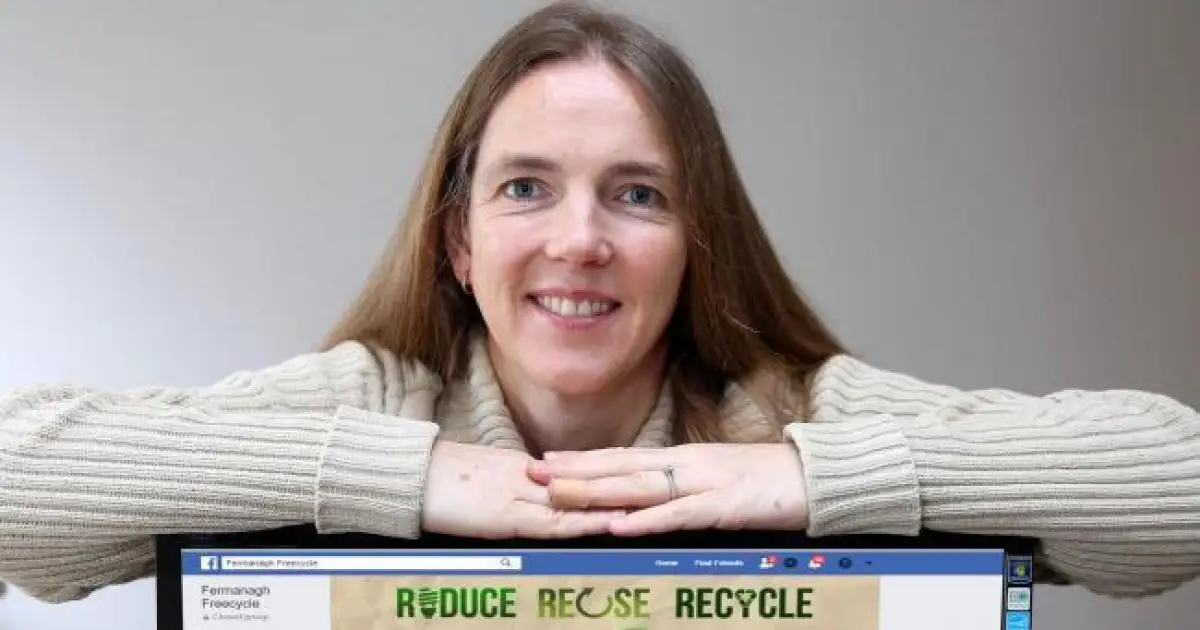
A Fermanagh woman who started a Facebook group to give away her own unwanted household items has seen it grow to a community of around 30,000 active members.
Diana McChesney launched the Fermanagh Free-Cycle page after noticing the volume of usable goods that could not be sold in a charity shop and were destined for landfill. She said the experience prompted her to act, beginning with baby toys, household goods, gardening equipment and DIY tools.
The group operates on the principle that one person's unwanted item can be a free resource for someone else. McChesney said members have offered and requested everything from lightbulbs to caravans and even a kitchen sink. Community organisations have also used the page to source unusual items for displays and projects.
McChesney argued that the group's value lies in challenging the idea that something becomes worthless once its owner no longer needs it. She described a consumer culture driven by fast fashion and social media pressure, and said many people are now rediscovering older habits of mending and reusing.
She said there are signs of change across Fermanagh, with more people using swap shops, repair cafes, online sharing groups and second-hand shopping. She urged local councils and businesses to provide greater support for community-led environmental initiatives.
For individuals wanting to reduce waste, McChesney advised starting with small, practical steps: recycling plastics properly, reusing glass jars, keeping cardboard for storage or garden use, separating food waste, carrying reusable bags and bottles, buying pre-loved goods, borrowing where possible and repairing rather than replacing. She also encouraged composting food waste at home and supporting sustainable fashion over fast fashion.
She said her own children have grown up with a respect for nature, and her daughter has become skilled at finding small animals, though spiders remain a challenge. McChesney added that the lough, rivers and green fields of Fermanagh are not owned by anyone but held in trust for future generations.
She summarised her approach by saying people should be part of the solution, not the problem.