Belfast Wolves enter European T20 league as private investors target returns within five years
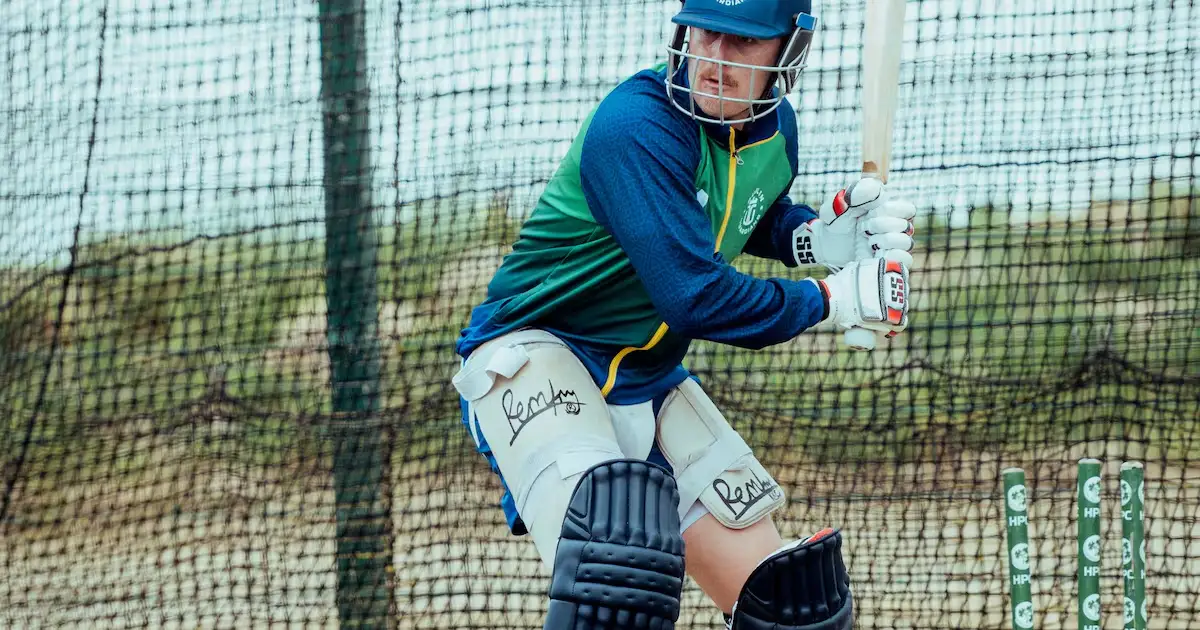
A newly formed Belfast cricket franchise will take the field when the European T20 Premier League (ETPL) launches its inaugural season next week. The Belfast Wolves are one of six city-based sides in the competition, alongside a Dublin outfit and teams from Edinburgh, Glasgow, Rotterdam and Amsterdam.
The first match is scheduled for 26 August in The Hague. The tournament then moves to Malahide, near Dublin, on 9 September and runs until its conclusion there.
The Wolves are led by chief executive Neil Maxwell, who represents a group of mainly Australian investors. Maxwell has said the group expects to wait three to five years before seeing a return on its investment. Australian international Glenn Maxwell is a player-owner in the Belfast franchise.
The league requires each franchise to pay an annual fee of $1.5 million (approximately €1.4 million) and to spend a similar amount on player salaries. Cricket Ireland holds a 20 per cent stake in the league itself and stands to earn revenue if any is generated.
Belfast Wolves have partnered with the Northern Cricket Union, the body responsible for grassroots cricket in the city. The franchise recently hosted a launch event that included matches for children from local clubs. Dublin’s team, the Guardians, has linked with Cricket Leinster. Both clubs have also hired local club members as team managers, net bowlers and specialist batting trainers.
Organisers acknowledged that the lead-up to the opening fixtures was rushed. One franchise did not sign its agreement until last week, approval from the International Cricket Council arrived only in recent days, and a planned venue in Clontarf was dropped in favour of Malahide, with Clontarf receiving a goodwill payment of €7,500.
Some teams have no sponsors, and others said they lacked sufficient time to arrange merchandise sales or secure proper commercial value from partnerships. The league is paying towards broadcast production costs instead of securing a rights deal, with advertising revenue to be shared.
Neil Maxwell said private investment was essential for the game’s development and that individual national bodies could not be expected to grow the sport without it. He acknowledged there would be teething problems but argued that with the right leadership the competition would expand.