Belfast venues declare AI-free stance as Derry designer hits back at 'slop'
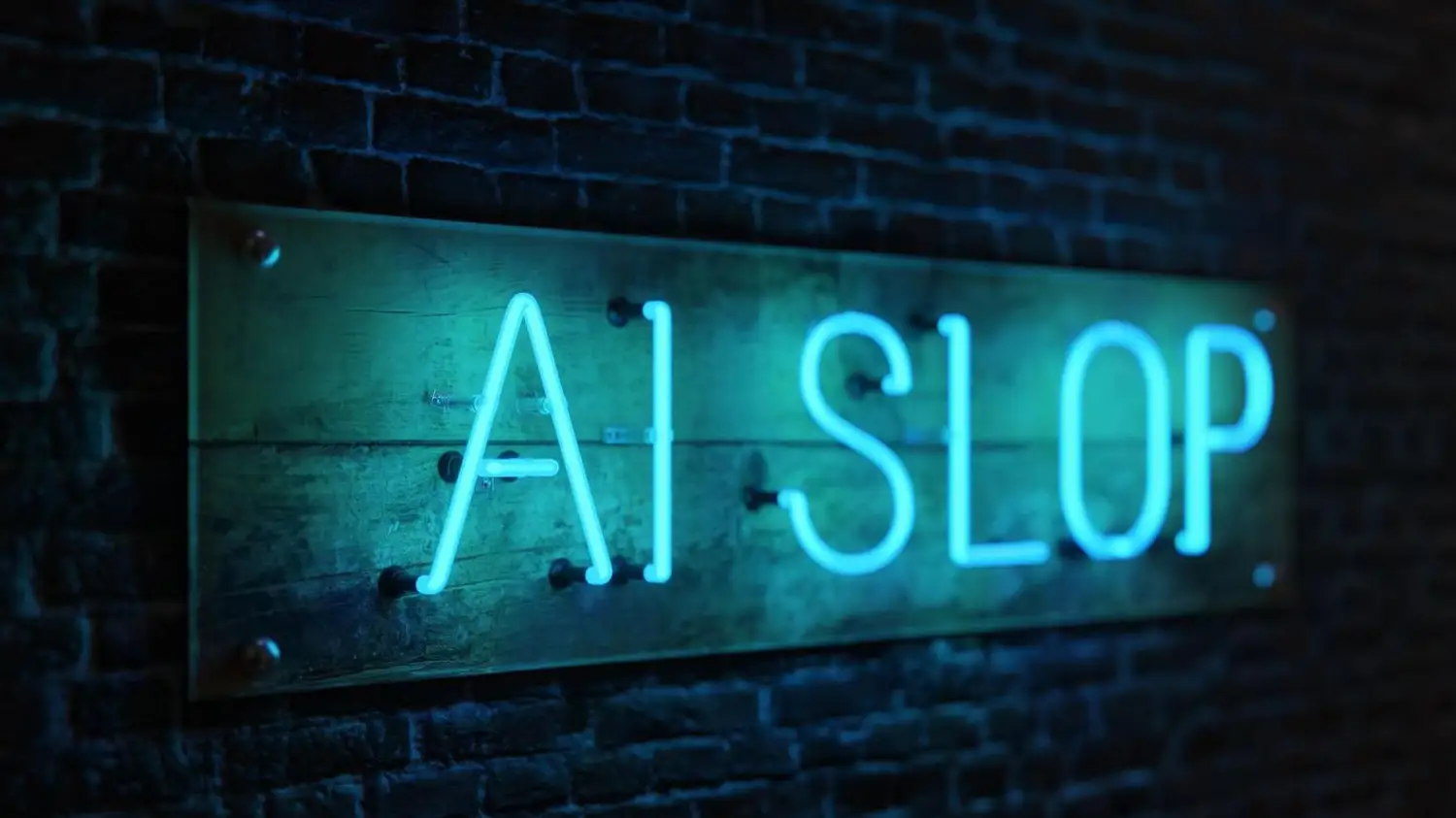
A growing number of Northern Ireland hospitality venues are declaring themselves AI-free zones as graphic designers voice concern over the spread of artificially generated promotional material.
The American Bar in Belfast made the decision this month to boycott the use of AI in the pub and on social media. Co-owner Tomas Gorman said he believed the technology is deeply damaging, particularly for local artists and those working in the creative industries. Co-owner Peter McCloskey said even a poorly made poster by an inexperienced designer holds more creative value and interesting perspective than AI-generated work.
Mandela Hall, located inside Queen's University Student's Union, has also taken what was described as a principled stance against AI use on its premises.
Mal Houston of Three Rivers Restaurant in Belfast used AI to produce posters advertising entertainment and food deals during Fleadh Cheoil na hÉireann. After someone placed 'Say no to AI' stickers on his flyers, he announced his restaurant and nightclub would stop using AI-generated art. He acknowledged hospitality businesses face financial pressures but said AI is putting graphic designers out of work, and that is not fair.
In Londonderry, greeting card designer Chris Ferry of Ferry Clever posted a video that attracted thousands of engagements online. He told customers not to ask him to print birthday cards made using ChatGPT. He described such requests as an insult to the creative industry and said people do not appear to grasp that AI-generated imagery risks making graphic designers redundant in the same way AI music disadvantages musicians.
Ferry said he does not blame customers, acknowledging the convenience of AI tools means people are not thinking of the repercussions. He declined payment from customers who brought AI-generated designs and explained his position, saying it was a matter of principle.
Frances Smyth, a freelance graphic designer and part-time lecturer at Ulster University, said AI was barely present when she graduated in 2021 but now dominates creative industry thinking. She said creative agencies are losing clients as businesses turn to AI to cut marketing costs. She characterised AI output as regurgitative and said she would rather see a gig poster drawn on a post-it note than something produced by ChatGPT, because the hand-made version has more integrity.
Smyth rejected the idea that the spread of AI is inevitable, stating she has disabled AI features on her devices and believes individuals can choose to say no.