Stormont budget and devolution top Burnham’s early agenda for Northern Ireland
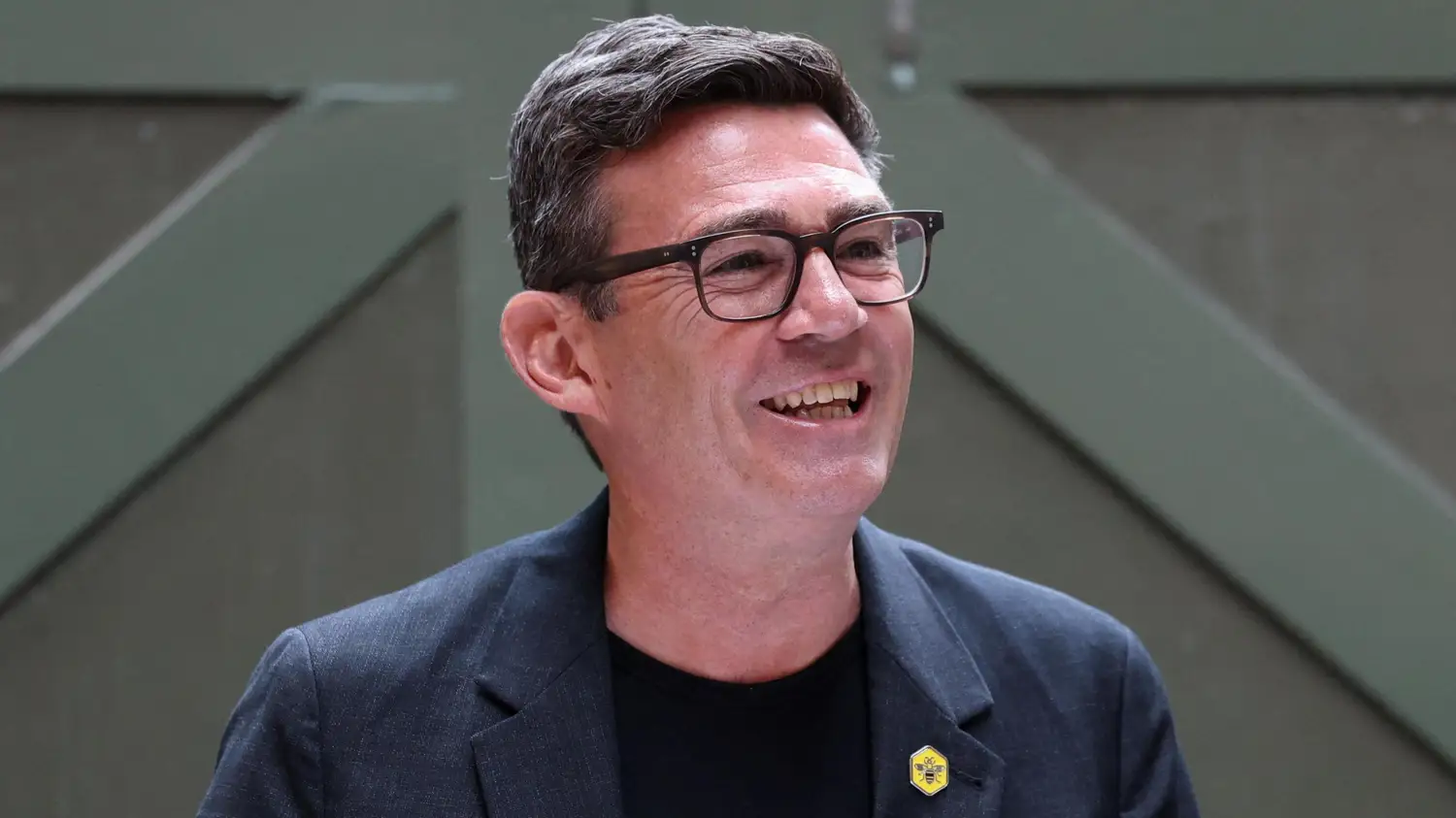
Andy Burnham will become prime minister on Monday, and his early days in office will be dominated by Northern Ireland’s budget stalemate. Stormont ministers have yet to agree a spending plan, and Secretary of State Hilary Benn has said he does not want to reach the point of having to set the budget from Westminster.
Burnham was confirmed as Labour leader on Friday at a conference in London, securing the backing of 379 of the party’s 403 MPs and all 11 affiliated trade unions. Home Secretary Shabana Mahmood announced the result. He will enter Downing Street as the UK’s seventh prime minister in a decade.
In his leadership launch, Burnham promised a major rebalancing of power, including a new Number 10 North unit based in Manchester to give English regions greater control over housing and transport. He also pledged to extend devolution settlements in Scotland, Wales and Northern Ireland. Earlier this year he addressed the Alliance Party conference in Belfast.
Patrick Maguire, chief political commentator at The Times, said that Burnham’s experience as a devolved mayor means he will not treat Northern Ireland as an afterthought. However, Maguire warned that any special financial support for Stormont’s budget could encourage the Welsh first minister to demand similar treatment, creating political complications.
David McCann of the Stormont Sources podcast suggested Burnham might focus on communities within the devolved nations that feel disconnected from both Westminster and their own regional governments, potentially offering more powers.
Legacy issues from the Troubles remain on the agenda. The Labour government has already introduced legislation to repeal the conditional immunity provision of the 2023 Legacy Act. Burnham is expected to continue that work. Dr Thomas Leahy, a senior lecturer at Cardiff University, said it would make no sense to abandon the process and that public attention elsewhere in the UK is limited. He noted, however, that tensions could arise over the release of state documents by security and intelligence services.
Relations with Dublin are unlikely to change significantly. Burnham has Irish ancestry, and Leahy said the new prime minister would not want to unsettle ties that have been repaired after Brexit strain, especially since Ireland has previously opposed certain UK legacy and trade measures.
On whether Labour should stand candidates in Northern Ireland, Burnham has stated an in-principle commitment to full democratic choice but stressed the need for careful conversations with the SDLP. Labour’s Louise Haigh said last month that Burnham respects the neutrality that underpinned the Good Friday Agreement and there are no immediate plans to change the party’s stance. Boyd Black, Labour Party secretary in Northern Ireland, welcomed Burnham’s leadership and said the party would continue pressing for the right to contest elections.