MPs debate petition to bar convicted terrorists from elected office as NI parties highlight legacy concerns
A petition signed by more than 200,000 people demanding a ban on convicted terrorists running for elected office has been debated by MPs in Westminster Hall. The UK government indicated that it has no current plans to change the existing disqualification criteria, though the issue remains under review by a cross-departmental taskforce.
The petition calls for a new legal disqualification to prevent anyone with terrorism convictions, whether in the UK or abroad, from becoming a candidate or holding any elected position, including on local councils.
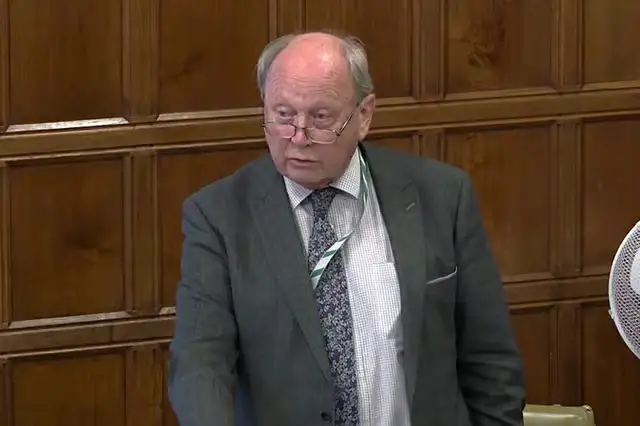
TUV MP Jim Allister told the debate that Northern Ireland offered a stark example of what occurs when people with a violent past are permitted to hold office. He argued that failing to restrict their entry into politics can send a message to a younger generation that pursuing terrorism can be rewarded with the highest public offices, thereby incentivising rather than discouraging violent extremism. Allister insisted that any new legislation must apply on a UK-wide basis, without a double standard that treats the region differently.
Alliance MP Sorcha Eastwood said the early release of prisoners associated with paramilitary groups had been a bitter pill, and that the state should ensure terrorism is viewed as unacceptable. She added that some individuals with past convictions have gone on to elected roles and have attempted to rewrite the history of the conflict.
Labour MP Laurence Turner observed that the petition had been prompted by an independent candidate in Birmingham who had overseas terror convictions and was ultimately defeated at the ballot box. He also emphasised that the peace process in Northern Ireland was founded on the primacy of elections and that the petition’s aim was not to undermine that settlement.
In its official response to the petition in May, the government stated it had no intention of altering the rules. Addressing MPs, local government minister Alison McGovern said that any lifetime ban must be principled, proportionate, and legally robust, with safeguards against unintended consequences. She confirmed that the Defending Democracy Task Force, established in 2022 to protect the UK from threats of foreign interference, is keeping the matter under review.