Former armed forces minister resigns over Northern Ireland legacy bill
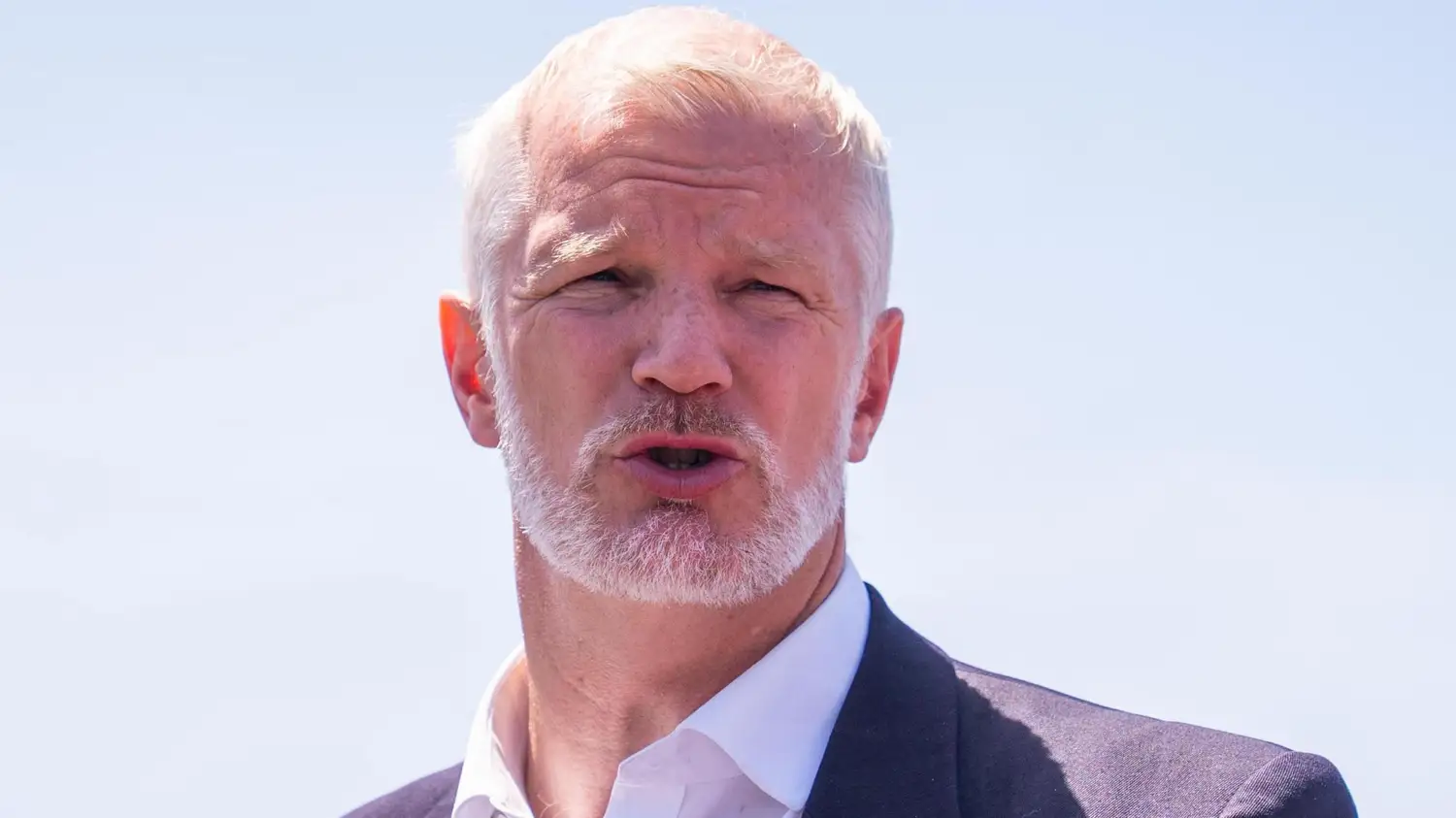
Al Carns has resigned as minister for the armed forces, citing his opposition to the government's Northern Ireland Troubles legacy legislation.
In his resignation letter to the prime minister, Mr Carns said the bill was unfit for purpose and risked failing the veterans it claims to protect. He said he had attempted to amend the legislation from within government, but the changes he believed necessary were not accepted. He wrote that he could no longer ask fellow veterans to trust a process he himself does not trust. He also raised concerns about defence spending, describing a failure to provide proper equipment and post-service loyalty.
The Labour government's bill replaces the 2023 Legacy Act introduced by the previous Conservative administration, which offered conditional immunity from prosecution for crimes committed during the conflict. The new proposals include a legacy commission and a dedicated unit within the Irish police service, with cooperation from Dublin. A package of protections for veterans has been announced, including that they cannot be forced to travel for inquests or commission hearings.
Speaking to GB News, Mr Carns argued the current approach creates a hierarchy of truth in Northern Ireland. He said 90 percent of casualties during the Troubles were caused by terrorists, and he did not want elderly veterans dragged into court. He suggested most inquests should be transferred to an independent inquiry, similar to South Africa's reconciliation process.
TUV leader Jim Allister welcomed the resignation, saying Mr Carns had articulated concerns that many veterans in Northern Ireland have held for years. The SAS Regimental Association said the departure demonstrated the legacy plans were not fit for purpose and warned that veterans remained vulnerable to vexatious litigation. The association called on the government to scrap a remedial order related to the previous act's immunity provisions.
Northern Ireland Veterans Commissioner David Johnstone thanked Mr Carns for his work and said the reasons for his departure would be extremely concerning for the veterans he represents. He noted that Mr Carns had done his best to argue for change from within.
Jeff Dudgeon, a former UUP councillor and convenor of the Malone House Group, has criticised the government's veteran protections as insufficient, describing them as available to all, not just veterans. Previously, Mr Carns had defended those protections, but he was absent from a Commons vote on the bill in April, with a Conservative MP noting his absence and suggesting avoidance of association with the legislation.
A government spokesperson said the bill was a vital step to right the wrongs of the flawed Legacy Act, which left veterans exposed. They said ministers had listened to concerns and would bring forward amendments to bolster protections. Suggestions that veterans will be dragged through the courts were wrong, and those who served honourably had nothing to fear.