PSNI Ordered to Disclose Intelligence Files in Raymond McCord Junior Murder Civil Case
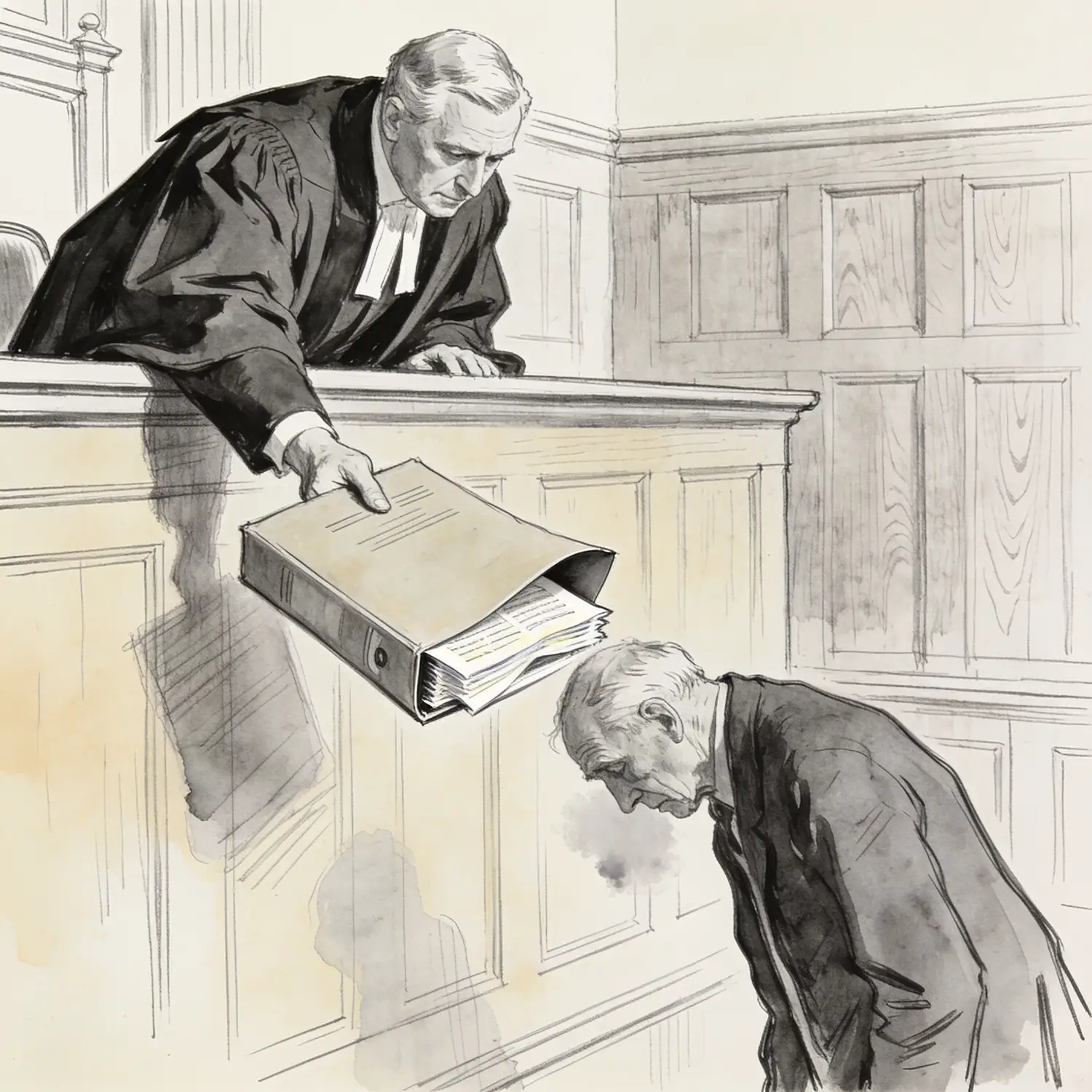
A High Court master in Belfast has ordered the Police Service of Northern Ireland to disclose intelligence and evidential material to Raymond McCord, who is pursuing a civil damages claim against seven men he alleges were involved in the murder of his son, Raymond McCord Junior.
Master Harvey, sitting in the King's Bench Division, ruled on 30 July 2026 that the statutory requirements under Section 32 of the Administration of Justice Act 1970 had been satisfied. The judgment found that the material sought is relevant to the central issues in the proceedings and that the threshold of necessity had been met.
The plaintiff's case, initiated by writ dated 5 April 2019, alleges that the seven named defendants - Mark Haddock, Gary Haggarty, Steven Logue, Willie Young, John Bond, Darren Moore and John Graham - were members of the Mount Vernon Ulster Volunteer Force and were either involved in or conspired to murder Raymond McCord Junior. The Chief Constable of the PSNI is named as respondent to the disclosure application but is not a defendant in the main action.
The material to be disclosed covers two categories: intelligence relating to the identity of those alleged to have been involved in the murder, and documents containing evidence implicating those persons. The PSNI did not oppose disclosure but argued the exercise would be futile if identifying information were redacted. The court noted that the PSNI had already provided unredacted transcripts of interviews with Gary Haggarty, who participated as an assisting offender, and confirmed these were plainly relevant to the issues in the claim.
All seven defendants opposed the disclosure order. They argued that the material - derived in part from assisting offender interviews and intelligence processes - carried risks of paramilitary reprisal, community retaliation and vigilante violence. They also contended the material was unreliable, that no risk assessment had been carried out, and that the application was premature and contrary to their rights under the European Convention on Human Rights.
Master Harvey rejected those objections. The judgment noted that questions of reliability, accuracy and admissibility are matters for trial rather than grounds for refusing discovery. The court also found that protections limiting the use of disclosed material to the litigation itself, combined with the PSNI's commitment to apply public interest immunity screening and Article 2 and Article 8 ECHR checks before handing over documents, provided a sufficient framework to address the defendants' concerns.
The judgment also referenced the collapse of related coronial proceedings following the passage of the Northern Ireland Troubles (Legacy and Reconciliation) Act 2023, which the PSNI said had previously been expected to surface much of the relevant material. The court ordered the PSNI's costs of complying with the disclosure order to be treated as costs in the cause in the main action.