Journalists Warn Colleagues to Refuse PSNI Briefings on Spying Allegations
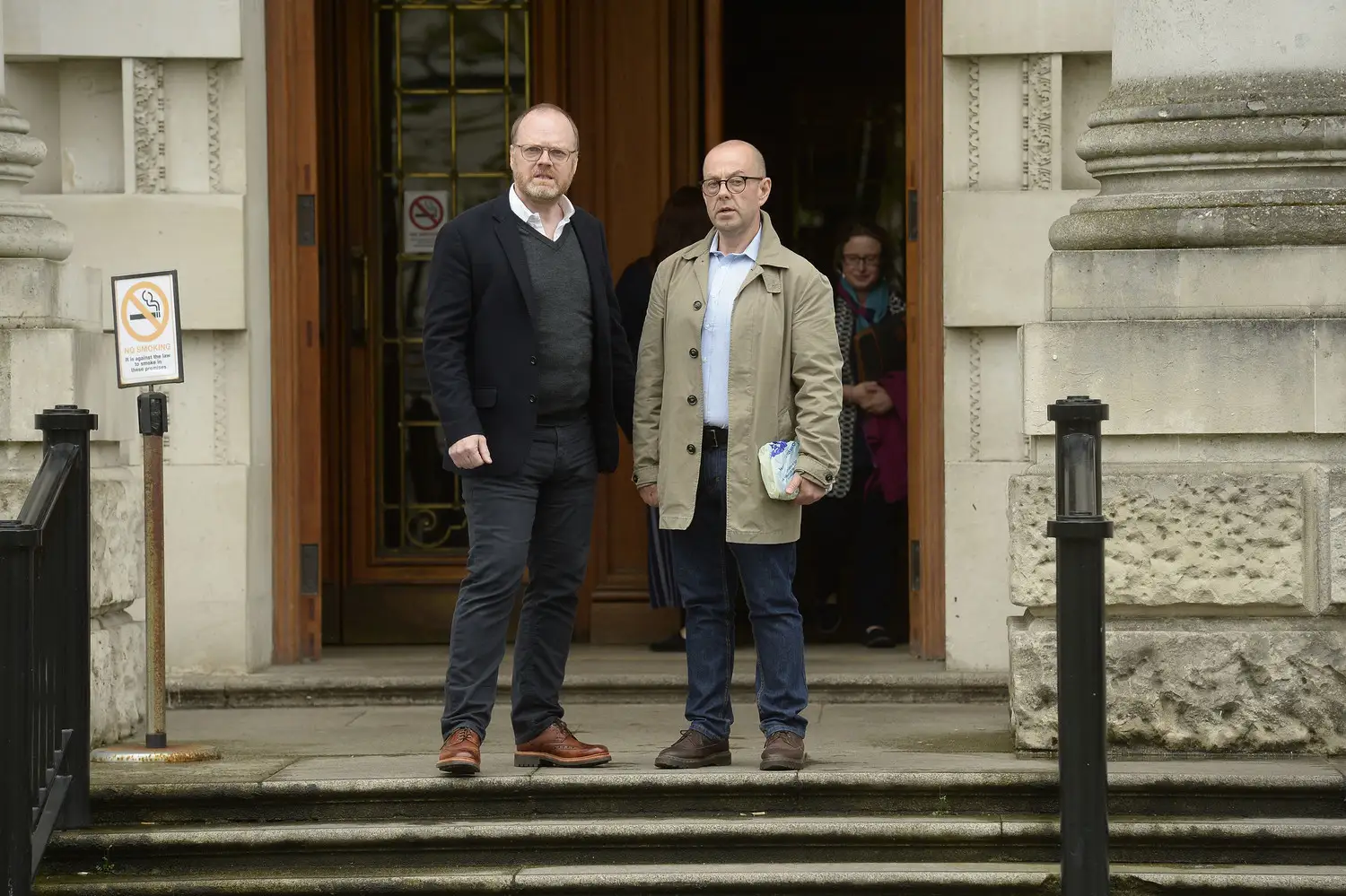
Two journalists who uncovered PSNI surveillance operations against reporters are advising colleagues to turn down any invitations for private talks with Chief Constable Jon Boutcher.
The warning follows revelations that the PSNI monitored the phone of former BBC security editor Barney Rowan in 2006. Rowan had written a story about the killing of Denis Donaldson, a former Sinn Féin official who was a police and MI5 agent. Boutcher has offered to meet Rowan to discuss his concerns.
Trevor Birney and Barry McCaffrey, whose legal action first exposed the spying, described the chief constable's offers as a deliberate attempt to prevent independent scrutiny of the surveillance programme.
They pointed to the Angus McCullough KC review, commissioned in 2024 to investigate journalistic surveillance. Its remit is limited to 2011-2023 and had cost £750,000 by December 2025. Further findings are expected, but the review cannot look at earlier periods.
The journalists said they had repeatedly asked for the review to cover the PSNI's formation in 2001. They were told the chief constable insisted on restricting it to post-2011 for cost reasons. Birney and McCaffrey said the newly emerged evidence of spying in 2006 shows those assurances were false.
They argued that the McCullough review and the Policing Board were deliberately misled by the PSNI, leaving only a fraction of the surveillance exposed.
Birney also challenged Boutcher's assertion that there is no evidence of surveillance after 2015. He said their own case revealed unlawful surveillance on him and McCaffrey in August 2018, and that PSNI monitored a BBC Spotlight journalist's mobile phone in March 2022. The PSNI later confirmed that monitoring of journalists' calls was suspended only in March 2023, when their legal case became public.
McCaffrey said any reporter who accepts informal assurances from Boutcher does a disservice to the profession. He called for a proper, independent, judge-led inquiry and said the offers of private chats are an insult.