BBC Springwatch Completes First Northern Ireland-Based Series at Crom Estate
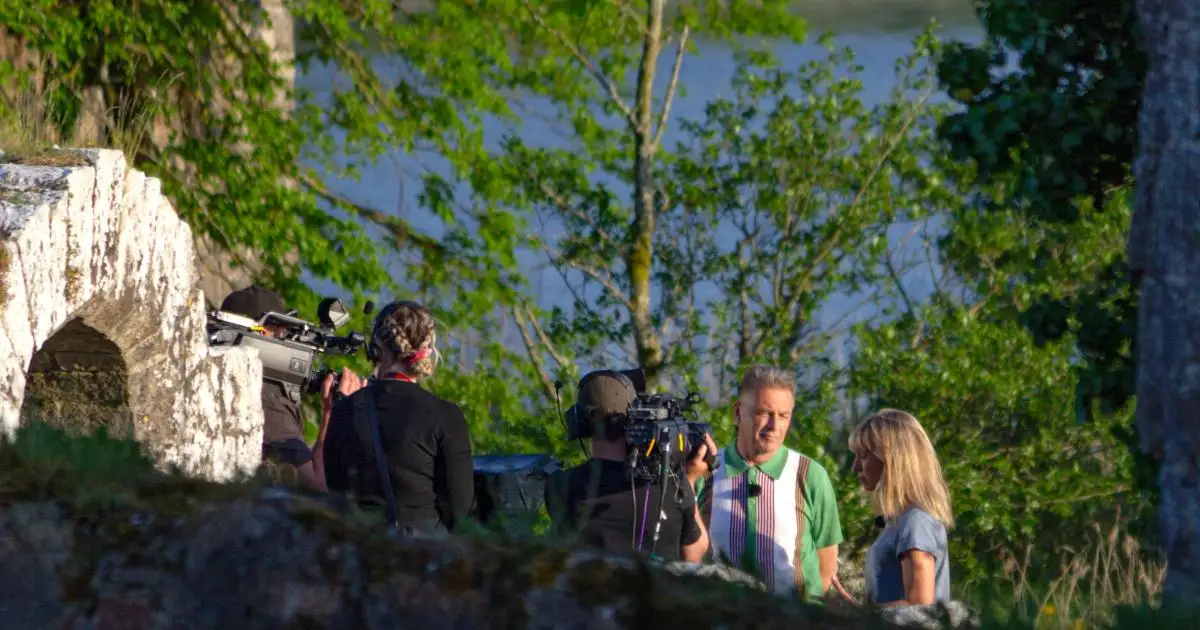
The 2026 series of BBC Springwatch has concluded filming at Crom Estate in County Fermanagh, marking the first time in the programme's two-decade history that its main broadcast hub was based in Northern Ireland. The live broadcasts, which began in late May, used the 1,300-acre estate on the shores of Upper Lough Erne as a backdrop.
The series focused on the variety of habitats at Crom, including ancient oak and ash woodlands, reed beds, wetlands and its renowned Yew Trees. Camera crews captured nesting birds such as swallows, jackdaws and a buzzard family, along with mammals including red squirrels and a pine marten, which featured prominently in night-vision footage.
One storyline followed swallow chicks coping with an unseasonably warm spell, while another tracked the progress of buzzard chicks as they approached fledging. The presence of a white-tailed eagle, though brief, was recorded over the lough. A little grebe nest in the reed beds also drew attention.
The series included science segments, with ecologists explaining the importance of intact wetland fringes and the ecological role of predators. Conservation work carried out by the National Trust, which manages the estate, was highlighted, including coppicing, grazing management and invasive species control.
The closure of the Crom campsite, a decision made by the National Trust, drew criticism during the broadcast run. An MLA called on the Trust to reconsider the move, which some see as a missed opportunity amid the heightened interest in the area.
Local businesses, accommodation providers and activity operators are expected to benefit from the exposure. The cumulative effect of three weeks of primetime coverage is anticipated to have a positive impact on visitor numbers to Fermanagh.
As the series concludes, several wildlife stories remain ongoing, with young birds still preparing to leave the nest. The programme's unscripted format, relying on live action, means final outcomes were unknown at the time of broadcast.