Amendment to Scrap Begging and Rough Sleeping Offences Divides MLAs and Police
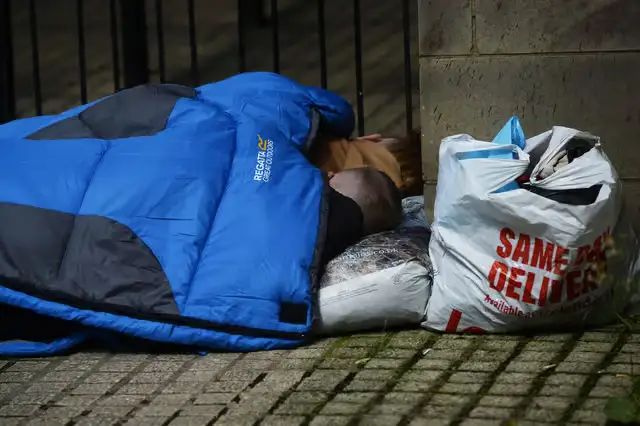
The Justice Minister has tabled an amendment to the Justice Bill that would remove criminal penalties for begging and rough sleeping. The proposal would repeal sections of the Vagrancy Act 1824 and the Vagrancy Act (Ireland) 1847.
Assembly research records 286 prosecutions for begging and 44 for rough sleeping between 2018 and 2023. Naomi Long described the existing legislation as outdated and argued that it criminalises vulnerable people. She said rough sleeping and begging are tied to underlying problems including homelessness, poverty, addiction, mental health difficulties and abuse. A multi-agency response would be more effective than punishment, she added.
Homeless Connect urged MLAs to back the repeal. Public affairs officer Dr Leeanne O’Hara said criminal sanctions do not address a social issue and called for a funded, trauma-informed approach across services.
Assistant Chief Constable Anthony McNally told the justice committee in November that police do not wish to criminalise begging or rough sleeping, but warned the repeal would create legislative gaps. Officers would no longer attend calls about begging unless other offences such as public order breaches or harassment were also present. He recommended following legislation in England and the Republic of Ireland that makes it an offence to organise begging or to enter a building as a trespasser. He said it would be prudent to prepare laws for organised begging or links to serious and organised crime.
DUP MLA Paul Frew has introduced amendments, due for debate on Monday, that would create new offences for organised begging and trespassing, reflecting those police concerns.
Two organisations representing city centre businesses in Belfast told the Department of Justice consultation that police find most money obtained through begging is used for drugs or alcohol. They said current vagrancy laws allow officers to tackle the issue quickly and that the threat of arrest acts as a preventative tool. One organisation reported that officers had observed organised groups from Eastern Europe being dropped off with signs claiming homelessness or illness, sometimes behaving aggressively. The businesses argued that repealing the laws could lead to an increase in such incidents.