Queen's University Trials Thermal Imaging for Badger Surveys Across Northern Ireland
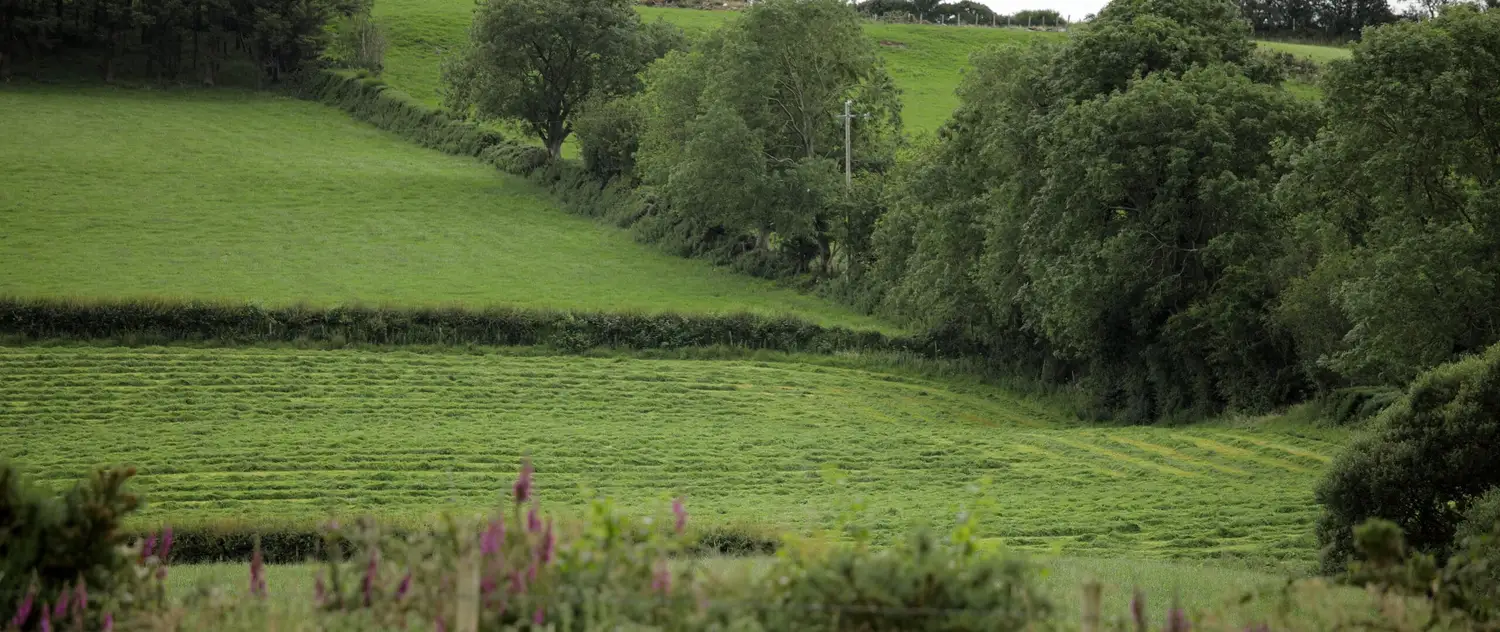
PhD students from Queen's University Belfast conduct two projects on badger populations in Northern Ireland. The work uses thermal imaging to assess density and behaviour. These efforts build on sett surveys from 2007 and 2008 by Professor Neil Reid.
Emily Currie leads the first project. It compares daytime surveys along hedgerows and field boundaries with thermal methods. Researchers use handheld thermal binoculars for distant observation during 360-degree scans. They record badgers and other animals without disturbance. Thermal drones survey 1 km² farmland areas in lawnmower patterns.
The project evaluates if thermal technology offers accurate monitoring with less disruption to badgers and other species.
Clare Childs manages the second project. It estimates Eurasian badger population size and distribution province-wide. The team plans thermal drone surveys at 50 sites across all counties and land types in spring and autumn 2026.
Flights occur from 8pm to 1am. Drones fly at 50m altitude, dropping to 30m for confirmations. Two-person teams include a licensed pilot and observer. Launches use public spots and avoid farmyards and livestock.
Surveys log badgers plus foxes, rabbits, deer, birds, cats and dogs. Daytime follow-ups on landowner-approved sites collect badger faeces. Samples test for bovine tuberculosis and Johne’s disease at Queen's University Belfast. Results go directly to landowners.
Researchers carry Queen's University Belfast identification. Farmers can contact Ulster Farmers' Union or the university with concerns and register interest online.