Northern Ireland Farmers Advised to Protect Fragile Soils After Wet Winter
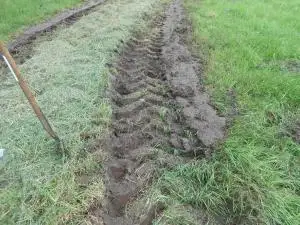
Northern Ireland farms with heavy clay and clay loam soils face risks of structural damage after an exceptionally wet winter. Soils remain fragile entering spring, though recent weather improvements allow cautious start to tasks like slurry and fertiliser applications.
CAFRE Adviser Jonathan Brown highlights the need to protect long-term soil productivity. Compaction reduces pore space, limits oxygen, restricts root growth, and slows water movement. This leads to lower dry matter yields, estimated at 14 to 22% reductions by AHDB studies.
Farmers should prioritise drier fields, avoid repeated headland passes, and delay work in marginal conditions. Options include mechanical subsoiling where feasible, though costly on heavy clays, and building soil organic matter via nutrient management and pH control.
Tyre pressure management and axle load awareness offer immediate controls. Reducing pressure from 40 psi to 18-22 psi in fields spreads load and cuts compaction risk on saturated soils. Very High Flexion tyres support lower pressures safely for slurry tankers and mixed road-field work.
Senior Dairy Adviser Conail Keown stresses grass as the cornerstone of dairy diets for profitability. Milk from forage links directly to net margins in CAFRE data. In 2025, Northern Ireland dairy milk volume rose 7.8% over 2024, with average farm-gate price at 42.14 pence per litre.
Early 2026 brings milk price drops and wet weather challenges. Farmers should graze blocks early in March, apply protected urea to grazing areas, target slurry to silage fields, and measure grass weekly for average cover and growth rates. Infrastructure like laneways aids access in poor conditions.