Wool Logs Tested on Antrim Peatlands to Replace Imported Erosion Barriers
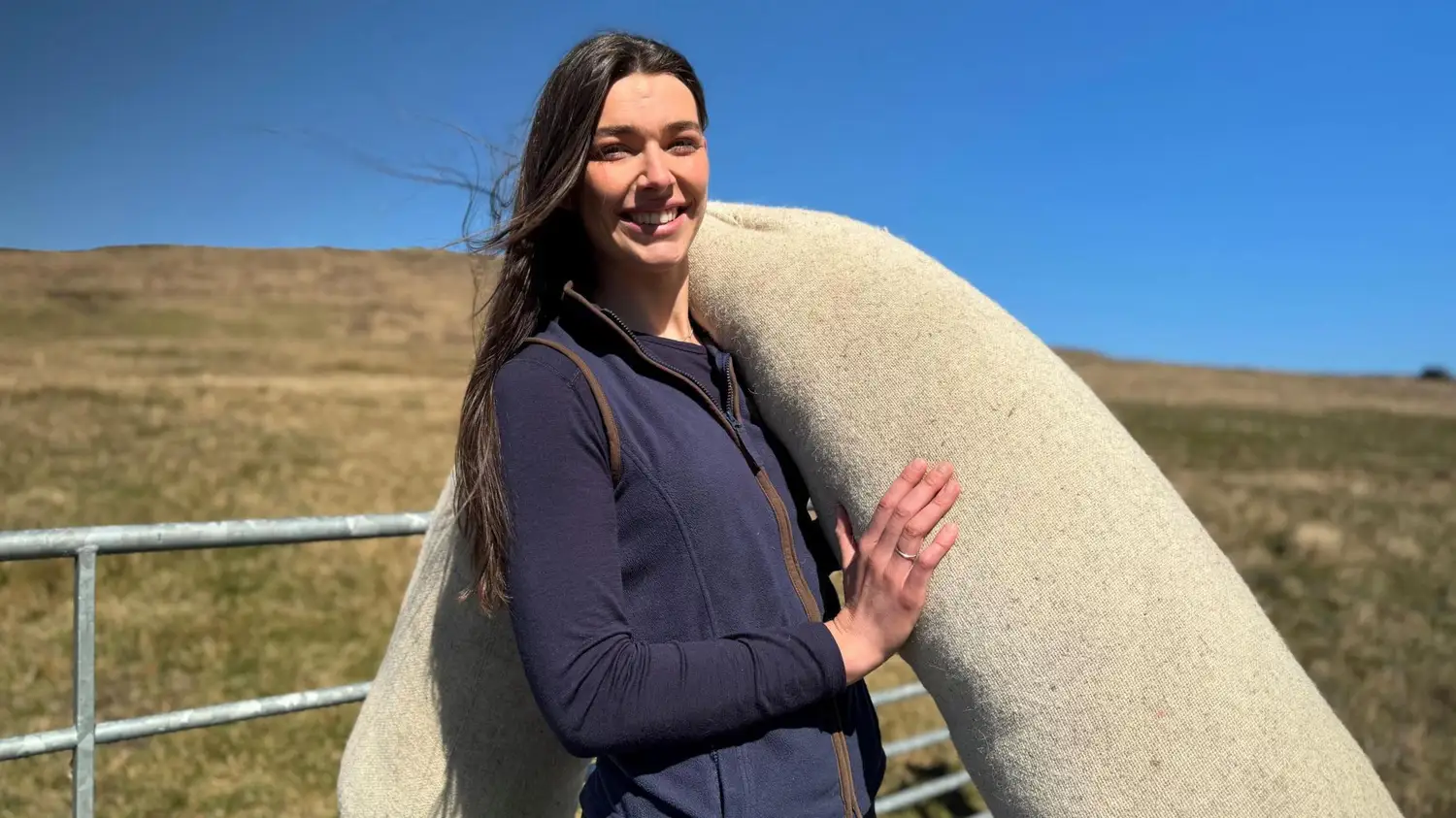
A pilot project in the Antrim Hills tests logs made from local wool to combat peatland erosion. The initiative involves Ulster Wildlife and the Ulster Farmers' Union. Nearly 60 wool logs were installed on Slievenanee in February by local farmers and landowners.
Each wool log weighs 9-10kg and consists of a woven wool textile exterior filled with fleece and a solid wool rope core. These replace coir logs imported from Southeast Asia that weigh 45kg each.
James Devenney, peatlands restoration manager at Ulster Wildlife, stated the wool logs offer a local sustainable renewable option to cut the carbon footprint of imports while aiding restoration.
Stephanie Clokey, peatlands officer at the Ulster Farmers' Union, indicated the project could create a new market for wool amid low prices that sometimes fail to cover shearing costs.
Northern Ireland's peatlands cover 12% of the land and store carbon when healthy. However 86% are degraded and emit carbon.
The Department of Agriculture Environment and Rural Affairs launched a peatland strategy last year with 26 actions to restore semi-natural peatlands by 2040. The strategy notes significant financial resources are required.
The wool logs on Slievenanee are monitored for effectiveness. The site supports hen harriers merlins curlews waders priority butterflies and lizards.