Ulster Unionist Leader Calls for Strategic Unionism and NI Economic Pitch to UK
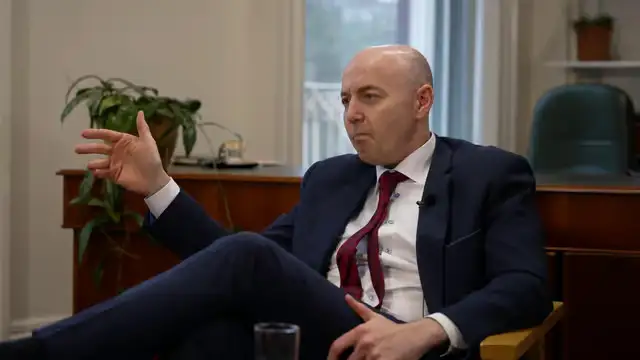
Jon Burrows, leader of the Ulster Unionist Party, stated that unionism weakened over the past 15 years due to short-term reactive approaches under Democratic Unionist Party leadership. He contrasted this with Sinn Fein's longer-term planning and called for unionists to define the Union's structure by 2050.
Burrows emphasized making a case to Northern Ireland residents for remaining in the United Kingdom based on economic benefits, life opportunities, living costs, security and peace. He noted that many lack an automatic British or Irish identity and seek better local conditions.
He plans to ask Reform UK leader Nigel Farage whether his focus supports UK-wide unionism or narrower interests. Burrows also wants to inform Great Britain residents of Northern Ireland's value, including its production of about a quarter of UK food as an agri-food center despite three percent of the population. The province leads in food security, cybersecurity, financial technology and clean engine emissions with a skilled workforce.
Economist Esmond Birnie, a former Ulster Unionist Party MLA from 1998 to 2007, described claims of inevitable Irish unity as a dangerous myth. He responded to Lord Kilclooney, a former UUP deputy leader, who predicted majority support for unification due to demographic shifts and reduced British interest.
Lord Kilclooney forecasted that unionism will not survive and urged preparation to prevent unrest. Birnie argued the future holds uncertainty without evidence of inevitability and called for evidence-based debate on options.