DWP Online Services Remain Offline After Cyber Incident
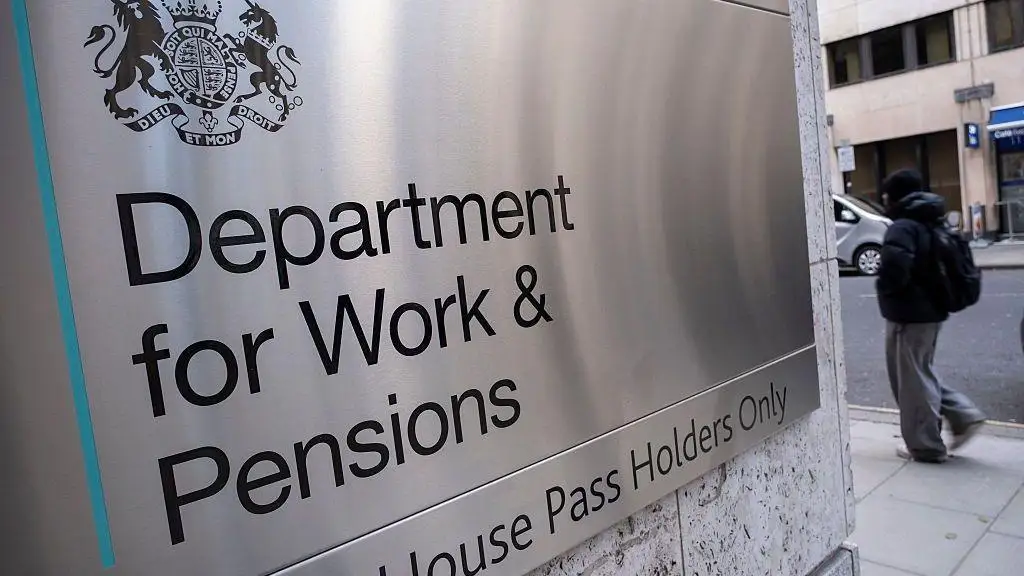
Online benefits and pensions services for the Department for Work and Pensions (DWP) remained unavailable on Saturday morning following a "cyber incident" that prompted the government to take them offline late on Thursday. The department has not confirmed what caused the shutdown but has not ruled out hacking.
The DWP has assured recipients that payments will continue as normal, despite some claimants reporting delays. It is understood the department does not believe those delays are linked to the cyber incident. A spokesperson said customers affected will not face sanctions and should contact helplines in the usual way.
The government said it is working with GCHQ's National Cyber Security Centre to investigate. Work and Pensions Secretary Pat McFadden described it as a "serious cyber incident" without giving further details, while the department called the closure a "precaution". Downing Street would not say whether hackers were involved but said other departments had not been accessed by a "malicious actor".
Former government technology adviser David Knott said his "strong suspicion" was that the department had been targeted by hackers, noting the shutdown of citizen-facing services suggested an attack could be mounted through the front door. John Curry, a cyber security expert at Bath Spa University, said the DWP had "almost certainly" detected hacking activity and shut down systems to prevent data theft, adding that the best response was to "slam the front door shut".
Matthew Gould, former Cabinet Office head of cyber security, said the incident highlighted reliance on hundreds of legacy systems and called for investment in upgrading infrastructure to make systems more resilient. The PCS trade union, which represents some civil servants at the department, criticised investment levels in IT and said the DWP had opened a voluntary redundancy scheme in its technology division days before the incident.
Dame Chi Onwurah, chair of the House of Commons Science and Technology Committee, said the incident should be a "wake-up call" for the government, stressing that people rely on these systems for essential services and should be able to trust their security. Shadow AI minister Ben Spencer called the incident "deeply concerning" and said the government cannot demand higher cyber security standards from others without demonstrating action to protect its own systems.
The government insisted it is investing in strengthening cyber security, citing a £210m cyber action plan. It also said it did not believe any personal information had been lost or stolen. Online portals for Pip applications and the "Tell Us Once" system for registering deaths have also been impacted.
The DWP makes around 2.5 million payments every day and is the primary source of income for millions of people.