PSNI Police Dog Numbers Fall by Nearly a Third in Three Years
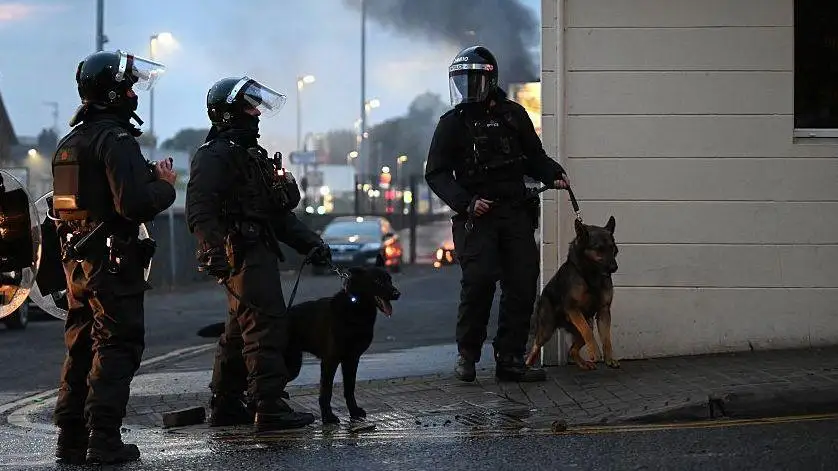
The number of police dogs working in Northern Ireland has fallen by nearly a third in the past three years. Working dog numbers dropped from 52 in 2023 to 36 in 2026.
The Police Service of Northern Ireland said budget pressures have affected its Dog Section. Fewer handler posts are among the reasons given for the decline, alongside dogs being retired from duty. Since 2022, 20 dogs have been retired with 19 added to the ranks. The PSNI said each handler can work with two dogs, so the loss of handler posts has significantly affected dog numbers.
Several specialist search and general purpose dogs reached retirement at the same time in 2025, when 12 dogs were released within one year. Others retired alongside their handlers. A PSNI spokesperson said transferring them to another officer would not have been in their best interests, citing the strong bond between handler and dog.
Insp Neil Harrison, from the PSNI's Dog Section, said police dogs were vital to day-to-day policing. Patrol dogs can help officers recover stolen property after a burglary or be called in when police are dealing with someone who may be armed or potentially violent. Harrison said their presence can change a difficult situation.
Dogs usually begin training for police work at about 18 months old and continue until they are 8 years old. Breeds such as German and Belgian Shepherds, Cocker Spaniels, and Labradors are used across the team. A shift begins with feeding, exercise and checks on the dog's health and temperament, with regular breaks and time for training. Harrison said the work is reward-based and enjoyable for the dogs.
Asked whether drones could replace police dogs, Harrison said officers consider the strengths of each and how they can complement each other. He said he understands why people may see it as a competition or as technology replacing people and dogs, but that this is not the case.
The PSNI said work is under way to address the shortfall. It expects an increase in dogs and handlers in 2027, with the aim of returning to previous numbers.
A July inspection by His Majesty's Inspectorate of Constabulary and Fire & Rescue Services found long-term budget reductions and uncertain funding were affecting the force's operational capacity. The report also noted the PSNI's prediction that restoring sufficient capacity in specialist areas would take several years.
Kieran Stanbridge, founder of Thin Blue Paw, a charity that supports retired police dogs including those that served with the PSNI, said forces across the UK face difficult funding decisions. He warned against reducing dog units, which he said would mean losing an efficient policing resource. He said the adaptability of dogs is second to none and that they remain integral to modern policing. He pointed to digital media detection dogs, trained to find items such as mobile phones, hard drives and small SIM cards, as evidence of how their work is adapting to changing crime. Stanbridge said he would like to see greater investment in dog units and support for handlers across the UK.