Storm Naming System Explained as UK Enters Unsettled Spell
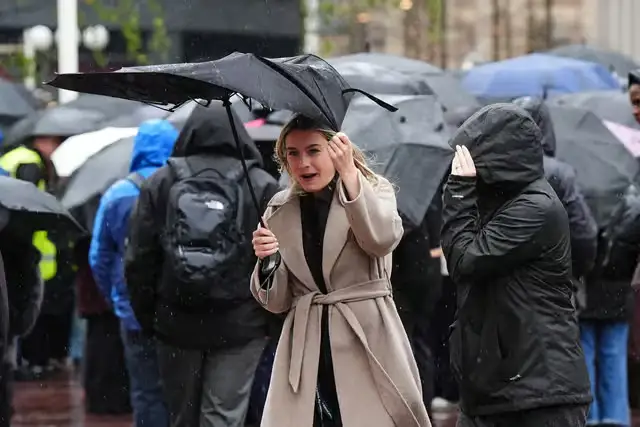
The UK is currently experiencing a quiet weather period with no widespread rain, calm winds, and cloudy or foggy conditions. However, forecasters expect this to change after the weekend as low pressure systems from the Atlantic bring showery rain, stronger breezes, and plenty of cloud. This unsettled pattern could persist through late November and much of December.
Storms are more likely during such unsettled spells because the Atlantic provides ample opportunity for convection. Tropical storms can also be drawn in by the jet stream, though they typically lose strength by the time they arrive.
Since 2015, storms affecting the UK have been given names, starting with Storm Abigail. The Met Office, Met Éireann, and the Netherlands' KNMI collaborate on the naming scheme. Any of the three agencies can name a storm if significant impacts are expected in their country, and names from other European forecasters have also been used in the past.
Naming helps people recognise storms, follow forecasts, and understand warnings, providing consistency for forecasters, emergency services, and the media. There is no fixed wind speed threshold for naming; instead, the Met Office assesses potential impact, such as disruption or damage serious enough to warrant an amber or red warning. Strong winds are the main factor, but heavy rain and snow can also qualify.
Names are mostly suggested by the public and announced each summer. They are used alphabetically, with a new list each September. Letters Q, U, X, Y, and Z are skipped to align with Atlantic hurricane naming conventions. So far this season, Austen was named on October 23 and Boelo on October 24. The next name on the list is Chloe, followed by Dano, Evelyn, and Finn.