Reform pledges to halt prosecutions of NI veterans; Irish committee urges opposition to legacy bill
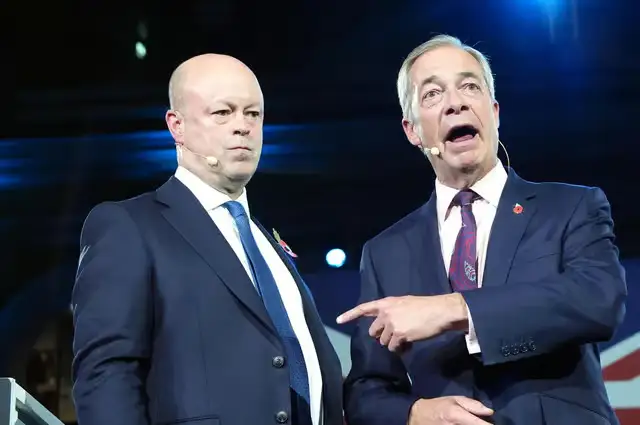
A UK political party has pledged to end legal proceedings against military veterans who served in Northern Ireland if it enters government. Reform UK's armed forces spokesman, Angus MacIntyre, said on Thursday that within 100 days of a Reform government being formed, all ongoing and future prosecutions of service personnel and veterans would end, except with the explicit consent of the Secretary of State for Defence. MacIntyre made the commitment at a rally where he was announced as the party's armed forces spokesman.
MacIntyre, who had a 40-year military career, said he would resign as armed forces minister if the pledge was not met within that timeframe. He stated that the current government actively handicaps service personnel with the threat of prosecutions, and that stopping such cases is both a moral duty and a national security imperative. Reform UK cabinet members have all made similar pledges, according to MacIntyre.
Elderly veterans whose military service took them to Northern Ireland have faced court appearances in recent years for actions during the Troubles. The UK Government is attempting to curb the number of investigations faced by veterans through new legislation currently before Parliament, but that Bill has drawn criticism from all communities in Northern Ireland.
Meanwhile, an Irish parliamentary committee has called on the Irish Government to oppose proposed changes to British legacy legislation that could weaken accountability for Troubles-era cases. The Oireachtas Committee on Justice, Home Affairs and Migration published a pre-legislative scrutiny report on the General Scheme of the Legacy of the Troubles Bill 2026.
The committee's chairperson, Sinn Féin TD Matt Carthy, said the report recommends that the Irish Government formally oppose provisions which could interfere with the independence of prosecutorial decision-making, including proposals that would require the consent of the British Attorney General before conflict-related prosecutions can proceed. The committee also urges the Government to oppose any attempt to remove provision for legacy inquests.
The report calls on the Irish Government to ensure any cooperation with British legacy bodies is human rights compliant, and to maintain Ireland's case before the European Court of Human Rights unless concerns about the legislation are fully addressed. It also recommends meaningful participation rights for victims and families, including timely access to information and independent review mechanisms where information is withheld.
Carthy said the committee heard evidence from victims' rights organisations including Relatives for Justice and the Pat Finucane Centre. The committee was clear that any legacy process for which cooperation is provided must not weaken the principles underpinning the Good Friday Agreement, diminish accountability, or create a system that affords preferential treatment or impunity to former members of the British Army.
He said he hopes the Minister for Justice will take the recommendations on board and act on them.
Luke Pollard, a Labour defence minister, criticised Reform UK's defence stance, saying it took the party nearly 2,000 days to find someone to focus on Britain's defences, and that Nigel Farage is weak on defence and leadership. Pollard said Labour has delivered the biggest sustained increase in defence spending since the Cold War, backed the armed forces with the largest pay rise in over 20 years, and introduced a new defence investment plan.