Parents call for mandatory allergy safety measures in Northern Ireland schools
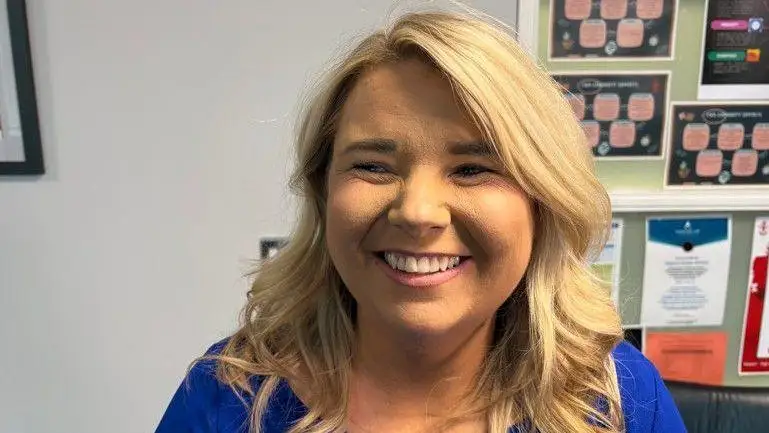
Parents of children with severe food allergies are calling for mandatory safety measures in Northern Ireland schools.
Under current arrangements, responsibility for managing allergy risks rests mainly with parents and individual schools. That has led to a wide variation in how schools handle the issue, according to parents and advocacy groups.
Stephanie Kerr, whose five-year-old son Caolán is allergic to milk, egg, wheat, oat, cumin, tuna, and strawberry, said that talking about her son's past reactions is difficult. Kerr was among parents and experts who trained teachers at Regent House School in Newtownards on Friday.
Niamh Kennedy, chair of Food Allergy NI, which organised the training, said her eldest child has experienced anaphylaxis. She said the current system relies heavily on goodwill and individual school policies, resulting in inconsistent approaches.
Kennedy estimated that about two children in every class could have a food allergy. She warned that risks exist beyond mealtimes, including in craft materials and hand soaps, which can contain allergens.
Tracey Dunn, from Allergy UK incorporating Anaphylaxis UK, described anaphylaxis as the most serious form of allergic reaction, potentially fatal. Symptoms include airways closing, dropping blood pressure, breathing difficulties, persistent cough, changes in voice, feeling faint or dizzy, and cold, pale, clammy skin.
Common foods that can trigger anaphylaxis include milk, fish, and eggs, Dunn said.
In England, new legal requirements known as Benedict's Law came into force in September, requiring schools to follow strengthened allergy guidelines, including staff training and access to adrenaline auto-injectors.
The Education Minister, Paul Givan, has committed to a consultation on similar stronger allergy guidance for Northern Ireland schools, with the process due to take place before the end of 2026.