Troubles Legacy Bill Debated in Commons Amid Veterans' and Victims' Concerns
Legislation to address the legacy of the Troubles is moving through the House of Commons, with MPs debating amendments over two days. Northern Ireland Secretary Chris Bryant said thousands of affected families have waited too long for answers. The bill seeks to replace the previous Conservative government's Legacy Act, which had been ruled unlawful in part.
Bryant rejected claims that planned changes amount to an amnesty for former soldiers. Under the amendments, the attorney general for England and Wales must consent to serious Troubles-related prosecutions. The government said the changes reduce the prospect of veterans facing repeated investigations.
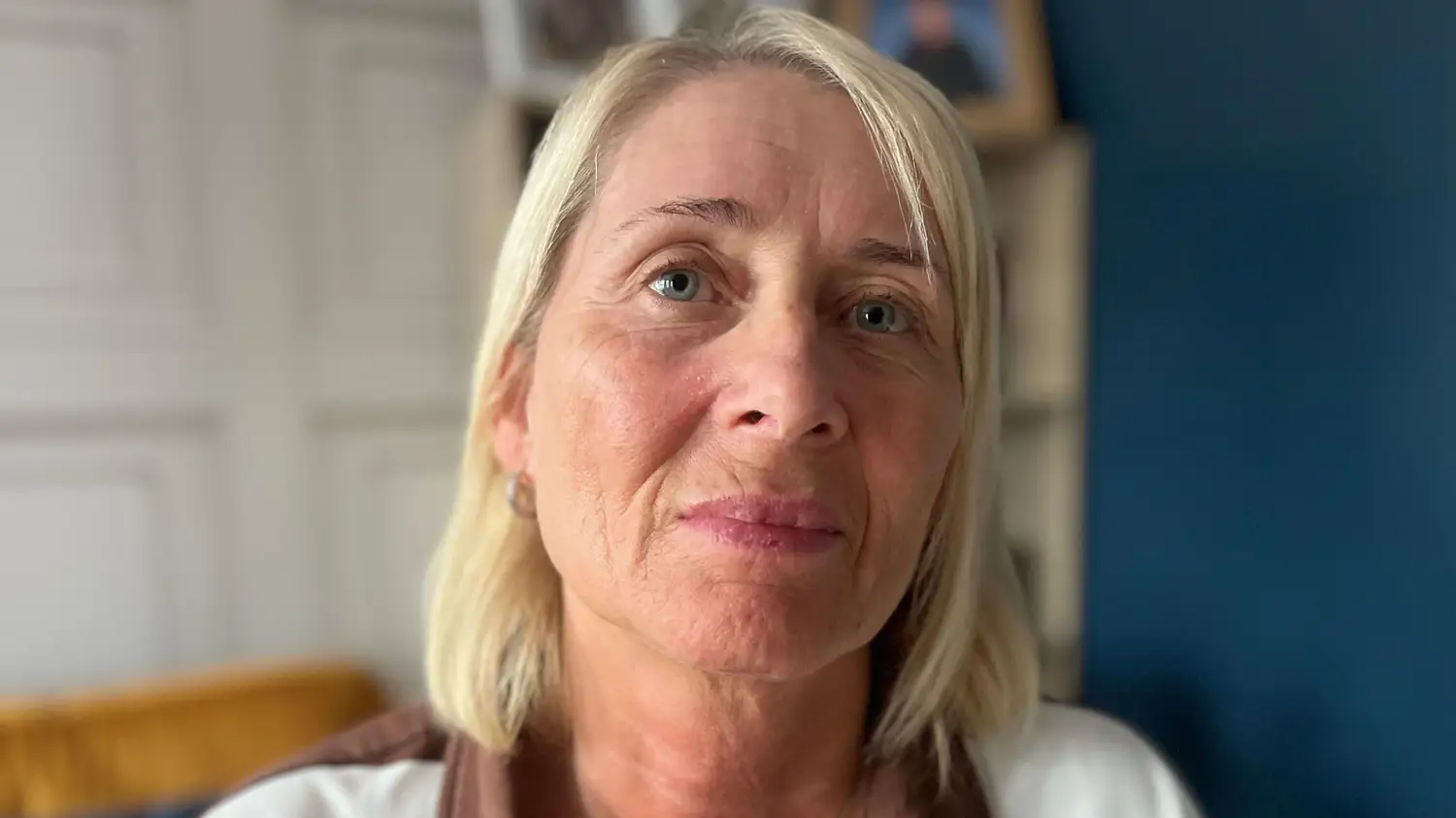
Some victims' relatives expressed concern. Patricia Burns, whose father Thomas Burns was shot dead by a soldier in north Belfast in 1972, said moving future prosecutions to England and Wales was 'disgusting'. She said juries there would not understand the Northern Ireland context. She wants an inquest into her father's death to proceed.
David Crabbe, a former Ulster Defence Regiment member, called for the bill to be victim-centred and said time is of the essence. Claire Hayes, whose brother died in the Omagh bombing, said the bombing should be included in the legislation.
Families of people killed by the British Army and RUC wrote to Bryant, saying there had been a de facto amnesty for state forces and that the debate was retraumatising. They said they never received justice through the criminal justice system.
Shadow Northern Ireland secretary Alex Burghart and DUP leader Gavin Robinson criticised the limited time for scrutiny. Northern Ireland minister Sarah Owen defended the schedule, saying too many families are still waiting for truth.
Robin Swann MP raised the issue of Troubles-related sexual violence, which is not currently included in the bill. Bryant agreed to work with him on this as the bill moves to the House of Lords.