U2 Marks 50 Years of Activism Including Northern Ireland Peace Efforts
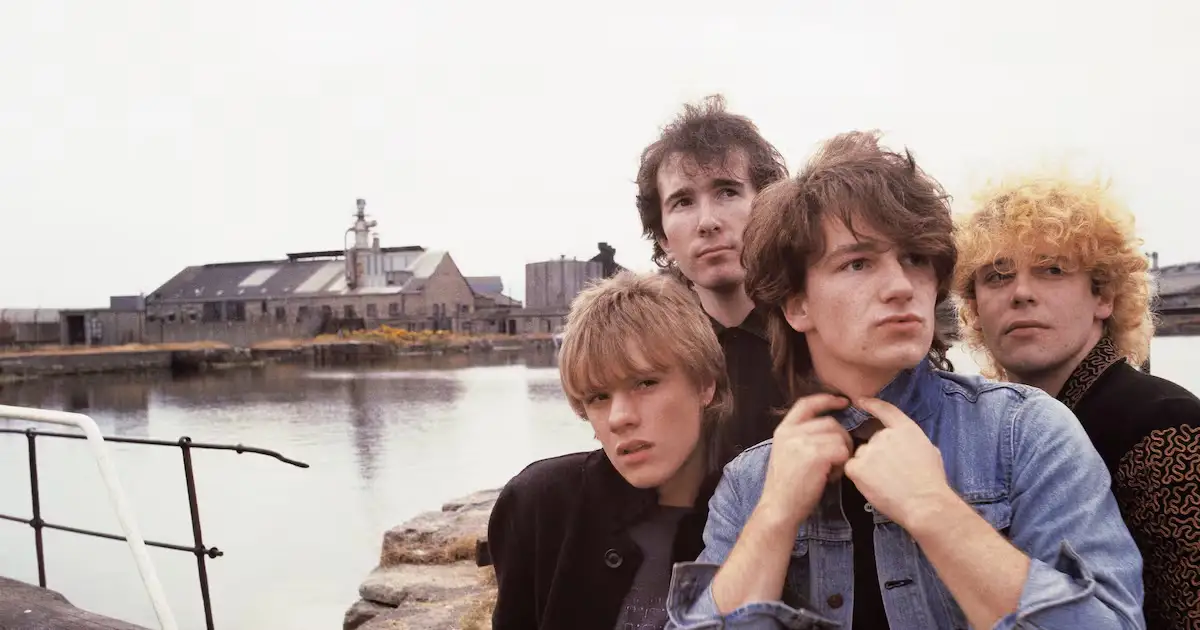
U2 marked 50 years since its formation on September 25th, 1976, when four Dublin teenagers gathered in a suburban kitchen in Artane. The band's career has included significant political engagement, including support for the Belfast Agreement and efforts to address the Troubles in Northern Ireland.
The band's third album, War, released in 1983, opened with Sunday Bloody Sunday, a song that addressed the violence in Northern Ireland. Drummer Larry Mullen Jr said the song was not about promoting rebellion, but a plea to end bitterness and hate. Lead singer Bono told audiences at the time that the song was not a rebel song, but the band's willingness to criticize political indifference over the Troubles was considered its own act of rebellion.
U2 were among the musicians who campaigned for the Belfast Agreement, the 1998 accord that established Northern Ireland's devolved government and addressed many long-standing disputes. The band used their platform to promote the message that shared humanity could lead to political change.
The band's activism extended beyond Northern Ireland. They participated in Amnesty International's Conspiracy of Hope Tour in 1986, supported the Jubilee 2000 debt relief campaign, and Bono and The Edge travelled to Kyiv in 2022 to perform Sunday Bloody Sunday in a subway station used as a bomb shelter during Russia's invasion of Ukraine.
U2 have faced scrutiny and accusations of hypocrisy over their tax affairs, and Bono's engagement with former US President George W Bush to secure funding for global HIV/AIDS programmes was controversial. Nevertheless, the band members have individually supported causes such as disaster relief, mental health awareness, and dyslexia awareness.
The band's recent work continues to engage with political themes, addressing instances of political violence in songs. After 50 years, the band remains politically active, despite being frequently mocked by some critics.