Trust nurses call for early symptom checks during awareness month
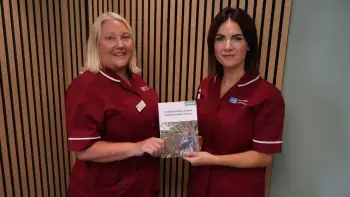
Specialist nurses from the Southern Health and Social Care Trust are urging women to recognise potential symptoms of womb cancer and seek medical advice as part of Gynaecological Cancer Awareness Month in September.
Sharon Quinn, a gynaecological oncology clinical nurse specialist, and Kelly Harrison, a gynaecological oncology nurse, work with women across the Trust area through diagnosis, treatment, and follow-up care. They said early diagnosis can make a significant difference in outcomes.
Nurses said the most common symptom of womb cancer is abnormal vaginal bleeding, particularly after menopause. In younger women, symptoms may include bleeding between periods, bleeding after sexual intercourse, or heavier periods than normal.
Other symptoms include blood-stained vaginal discharge that is not typical for the individual or blood in urine. The nurses said these symptoms can have various causes and do not necessarily indicate cancer, but they should not be ignored.
Abnormal vaginal bleeding should always be investigated, and women are encouraged to speak to their GP or healthcare provider if concerned. The nurses acknowledged these conversations can be worrying, but early checks can make a real difference.
Womb cancer is the most common gynaecological cancer in the UK.