Belfast Harbour reports £97.1m turnover and breaks ground on £90m deepwater quay
Belfast Harbour has published its 2025 annual report, recording turnover of £97.1m – a year-on-year increase of 10.2 per cent. Underlying profit before tax reached £44.4m, up 21 per cent on 2024.
The trust port, which receives no public money, reinvests all post-tax profits. In 2025 it spent £39.4m on capital projects and committed a further £77.1m to future works. Over the past decade it has invested £426m from its own operations.
The year saw the launch of a five-year strategy, Advance Regional Prosperity, underpinned by a £313m self-funded programme. It forms the first horizon of a 2050 masterplan that sets out £1.3bn of port infrastructure investment. Work began on D3, a new £90m deepwater quay – the largest single capital project in the port’s history.
An economic impact study published during the year found that trade through Belfast Harbour supports £8.8bn in gross value added, equivalent to 15.7 per cent of Northern Ireland’s total economic output.
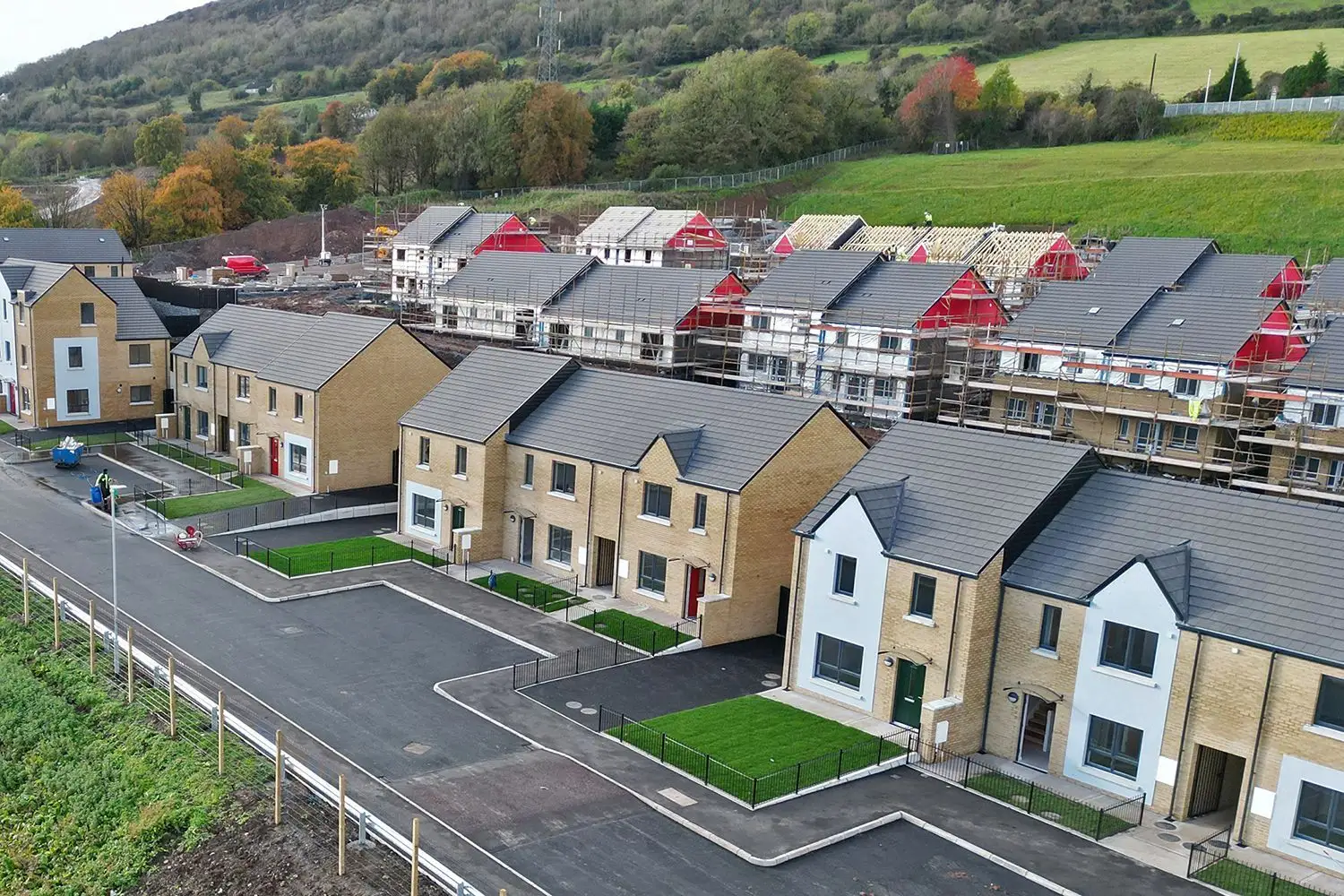
The port also secured a £100m agreement with JERA Nex bp to advance offshore wind transition for the UK and Ireland. On its own estate, City Quays Gardens opened in May, adding a new green space to the waterfront. Planning applications were submitted for more than 600 homes at Clarendon Wharf, alongside 256 units at City Quays 4 and Pilot Street. Construction progressed on Titanic Quarter’s Loft Lines development, which will deliver 778 homes.
On decarbonisation, the report states the port is on track to meet its 2030 net zero operational emissions target. It has cut operational carbon by 70 per cent since 2015.
Community investment totalled £335,000 in direct spending, supplemented by £250,000 of in-kind support.
Trade volumes remained resilient with 24.3 million tonnes of cargo handled, broadly in line with 2024. Cruise activity brought 147 ship calls and more than 320,000 passengers and crew, an estimated £25m boost for the local economy and the port’s 1,500th cruise call.