Muckamore Inquiry Finds Systemic Abuse and Governance Failures
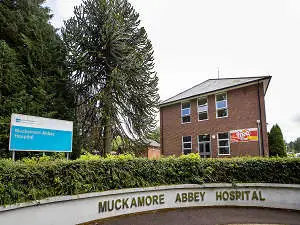
A public inquiry has concluded that vulnerable adults at Muckamore Abbey Hospital in County Antrim were subjected to physical and emotional abuse over many years. The report, published on 18 June 2026, found that restrictive practices were used inappropriately, medication was overused to subdue patients, and a closed staff culture allowed mistreatment to become normalised.
Inquiry chair Tom Kark KC said the 700-page report revealed profound failures in care for people with severe learning disabilities and mental health needs. Evidence included over 300,000 hours of CCTV footage, described as essential in uncovering the truth. The inquiry heard from 181 witnesses and considered 333 written statements.
The central finding was that a policy shift in 2001 to move patients into community-based care was not matched by investment. This led to unsafe discharges, long delays, and readmissions. Staffing shortages, a complaints system that treated each case in isolation, and ineffective external inspections allowed abuse to continue unchecked. Peer-on-peer violence escalated but was not recognised as a warning sign.
Health Minister Mike Nesbitt gave an unconditional apology on behalf of the health and social care system. He said he would not wait six months to respond to the 106 recommendations and that some could be progressed immediately. The Adult Protection Bill, paused pending the inquiry, will now be advanced through the Assembly.
Belfast Health and Social Care Trust chief executive Jennifer Welsh offered an unreserved apology and took full responsibility. She said no stone would be left unturned to ensure such conditions could never recur. Muckamore Abbey is no longer a functioning hospital, and the trust has pledged that no person in Northern Ireland will ever again call a hospital their permanent home.
The Police Service of Northern Ireland confirmed that its investigation is the largest adult safeguarding investigation in the UK. Assistant Chief Constable Davy Beck said 124 people have been referred to the Public Prosecution Service since April 2020, and several criminal trials are pending. The inquiry operated under an agreement with police to avoid prejudicing proceedings.
Families welcomed the report but said vindication is not the same as justice. Glynn Brown, whose son’s case triggered the review of CCTV footage, called for a dedicated redress scheme and an urgent meeting with the minister. Solicitor Claire McKeegan demanded full implementation of the recommendations and accountability for those with power.
The recommendations include considering CCTV in public areas of care settings, regular audits of medication and restrictive practices, statutory adult safeguarding, and making it easier to prosecute organisations that fail to prevent harm. Mr Kark stated that implementation must begin immediately, with no delay, dilution, or avoidance.