Eugene Reavey accepts £400,000 settlement in brothers’ murder case
Eugene Reavey has accepted £400,000 in damages from the Police Service of Northern Ireland and the Ministry of Defence following a civil case over the murder of his three brothers more than 50 years ago.
The settlement was finalised at the High Court in Belfast on Thursday. The PSNI will pay £175,000 and the Ministry of Defence will pay £225,000, with both covering legal costs. The MoD did not admit liability.
John Martin Reavey (24), Brian Reavey (22) and Anthony Reavey (17) were killed on 4 January 1976 when loyalist gunmen from the Ulster Volunteer Force's Glenanne gang attacked their family farmhouse at Whitecross, County Armagh. Two brothers died at the scene; the youngest, Anthony, died in hospital later that month.
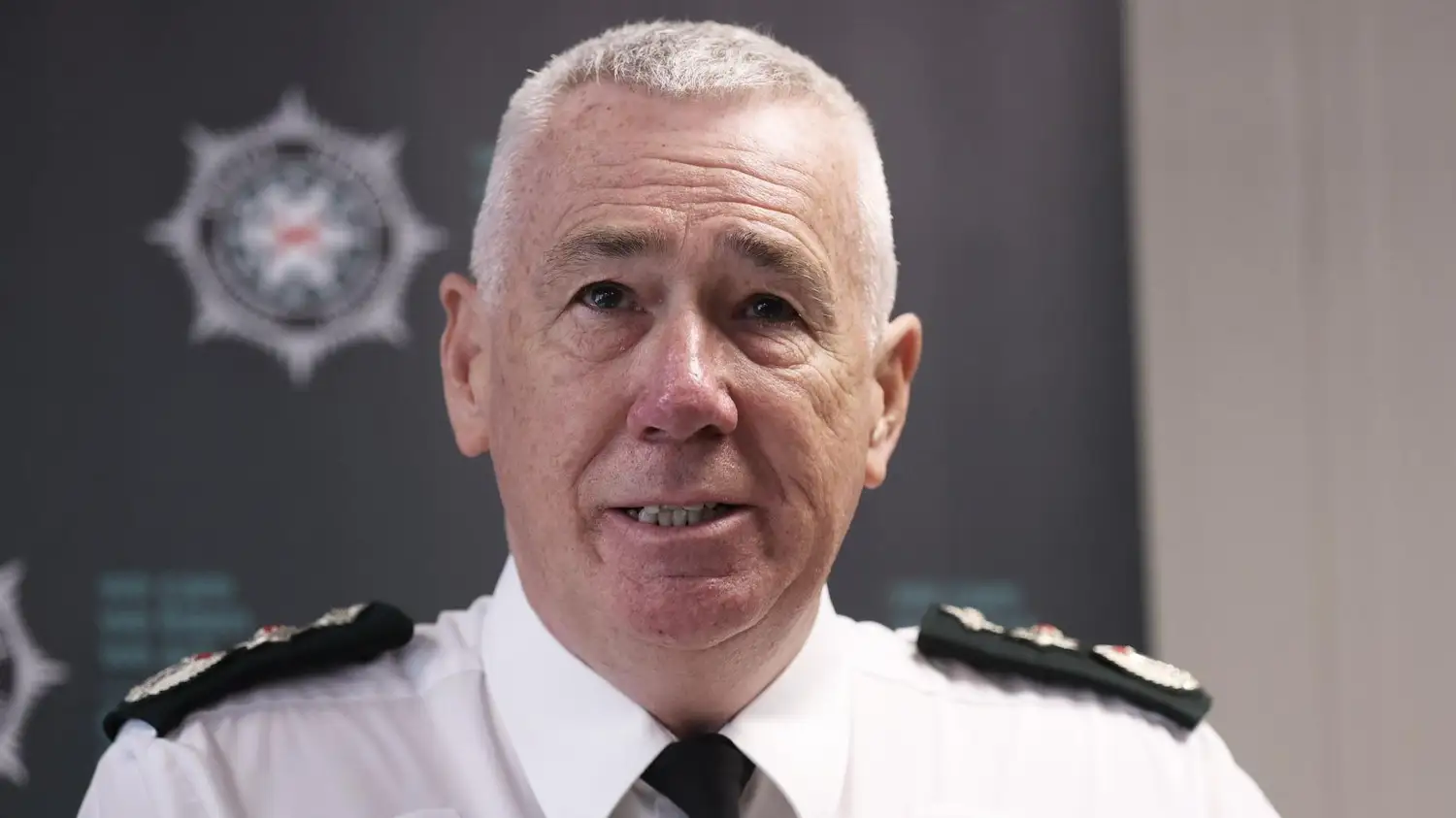
PSNI Chief Constable Jon Boutcher offered an apology in court, acknowledging the "inadequacies and failures" of the original police investigation. He accepted that these failures compounded the family's distress and stated unequivocally that none of the three murdered brothers, nor any other member of their family, had any involvement in paramilitary or terrorist activity.
Speaking outside the courthouse, Eugene Reavey said the resolution was the culmination of a long campaign. He recalled the hardship endured by his parents and noted that the Chief Constable's acknowledgment of the brothers' innocence was encouraging after decades of what he called "nonsense from the security forces". He added that he did not recognise the word "closure" because his brothers are still absent.
SDLP MLA Justin McNulty, who attended several hearings with the family, called the outcome a proud day for the Whitecross community and for South Armagh. He highlighted the years of harassment and false insinuations that the brothers had paramilitary links, and praised Eugene Reavey's determination to clear their names.
Sinn Féin MLA Aoife Finnegan said the settlement was a testament to the family's campaign for truth and justice. She stated that collusion between British security forces and loyalist paramilitaries was a defining feature of state policy during the conflict.