Executive Launches Coercive Control Awareness Campaign
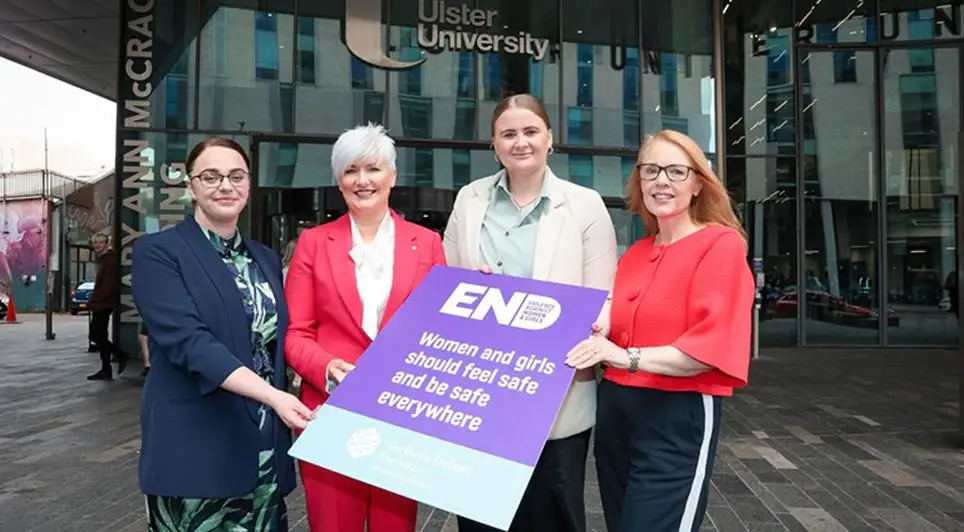
A new campaign to improve public understanding of coercive control has been launched by the Northern Ireland Executive in partnership with Ulster University.
The H.S.K.T. Coercive Control Awareness Campaign uses a simple mnemonic based on the children's song Head, Shoulders, Knees and Toes. It prompts women and girls to reflect on how they feel in a relationship, including whether they are doubting themselves, looking over their shoulder, apologising without reason, or walking on eggshells.
The initiative sits within the Executive's second Ending Violence Against Women and Girls Delivery Plan for 2026 to 2028. It prioritises prevention, early intervention and better awareness of abuse as a form of domestic harm.
Junior Minister Joanne Bunting said violence and abuse against women and girls is unacceptable and the campaign would help people understand what such violence is and how to foster safe, healthy relationships. She noted that pilot training was already having an effect, with those trained now passing knowledge to others.
Junior Minister Aisling Reilly described coercive control as a sustained pattern of behaviour designed to dominate, isolate and restrict a person's freedom. She said ending violence against women and girls remained a key Executive priority.
The training toolkit and resource pack were piloted between September and December 2025. In the first phase, 47 frontline workers from 21 organisations were trained, including staff from health, the PSNI and the community and voluntary sector. In March 2026, a further 46 workers from 20 additional organisations received the training. To date, just under 100 frontline staff have taken part and the toolkit is being adopted by participating bodies.
Dr Susan Lagdon, Senior Lecturer in Psychology at Ulster University, said research consistently showed violence against women and girls remained a significant societal issue. She said many people were unfamiliar with the term coercive control and its impact. The campaign was the result of evidence-based design and had been successfully piloted across a range of sectors to build knowledge and confidence.
Ulster University Vice Chancellor Professor Paul Bartholomew added that the university's research was shaping policy and translating into practical tools for community impact.