Home Office Intensifies Immigration Enforcement as TUV Demands Tighter Border Controls
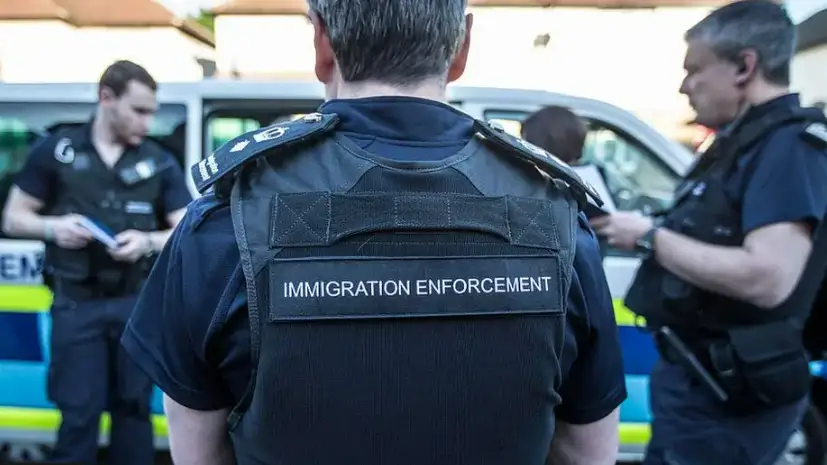
Immigration enforcement in Northern Ireland is being significantly stepped up, according to new government figures, amid mounting political pressure over border security. The Home Office has confirmed plans for a surge in intelligence-led operations targeting illegal migration through the Common Travel Area.
Nearly 1,000 people have been removed from the UK through Northern Ireland in the past year as part of what the Home Office describes as intensified action. Since July 2024, there have been 2,682 raids aimed at detaining and removing illegal migrants, a 16% increase compared with the final 21 months of the previous Conservative government. Those operations resulted in 2,233 arrests or detentions for immigration offences.
Around 70% of immigration enforcement activity in Northern Ireland is conducted through Operation Gull, a joint initiative involving the Home Office, the Police Service of Northern Ireland, Police Scotland, and Ireland’s Garda Síochána. The operation targets passengers at domestic air and sea ports suspected of abusing the Common Travel Area, which allows passport-free travel for British and Irish citizens. Last year, Operation Gull detected more than 900 immigration offenders. The most frequently encountered nationalities were Romanian (83), Albanian (44), and Afghan (30). If a person is found without valid travel documents, they can be detained and returned to the Republic of Ireland, unless they claim asylum, in which case they enter the UK system.
The number of asylum seekers in supported accommodation in Northern Ireland has fallen to 2,379, a decline from earlier levels.
Future enforcement will be bolstered by £3.7 billion in UK-wide investment over the next three years, with spending on immigration enforcement expected to rise by over 20% by 2028/29. This will fund expanded use of live facial recognition technology and round-the-clock coverage at ports, roads, and rail networks. Separately, Operation Comby, a multi-agency taskforce targeting organised immigration crime, has led to 250 arrests and the seizure of £435,000 in criminal cash since the 2024 general election.
The enforcement push comes as unionist politicians increase their demands for stricter border controls. TUV leader Jim Allister criticised the Northern Ireland Office and Home Office for failing to impose checks on the Common Travel Area, arguing that Northern Ireland remains vulnerable without reciprocal immigration checks. TUV deputy leader Ron McDowell linked public frustration over immigration to recent protests and warned of growing instability if concerns continue to be ignored. North Antrim MLA Timothy Gaston used a Matter of the Day in the Assembly to raise concerns about immigration and public safety in light of an attempted murder investigation in north Belfast. He said that discussion of such issues should not be silenced and called for stronger border controls.
At the UK-Ireland summit in March, both governments agreed to expand immigration data-sharing to prevent abuse of the Common Travel Area. The Irish Department of Justice stated that the invisible border is a tangible gain of the peace process and that both jurisdictions share a responsibility to protect the arrangement.