Former Northern Ireland Prison Officers Describe PTSD from Job Trauma
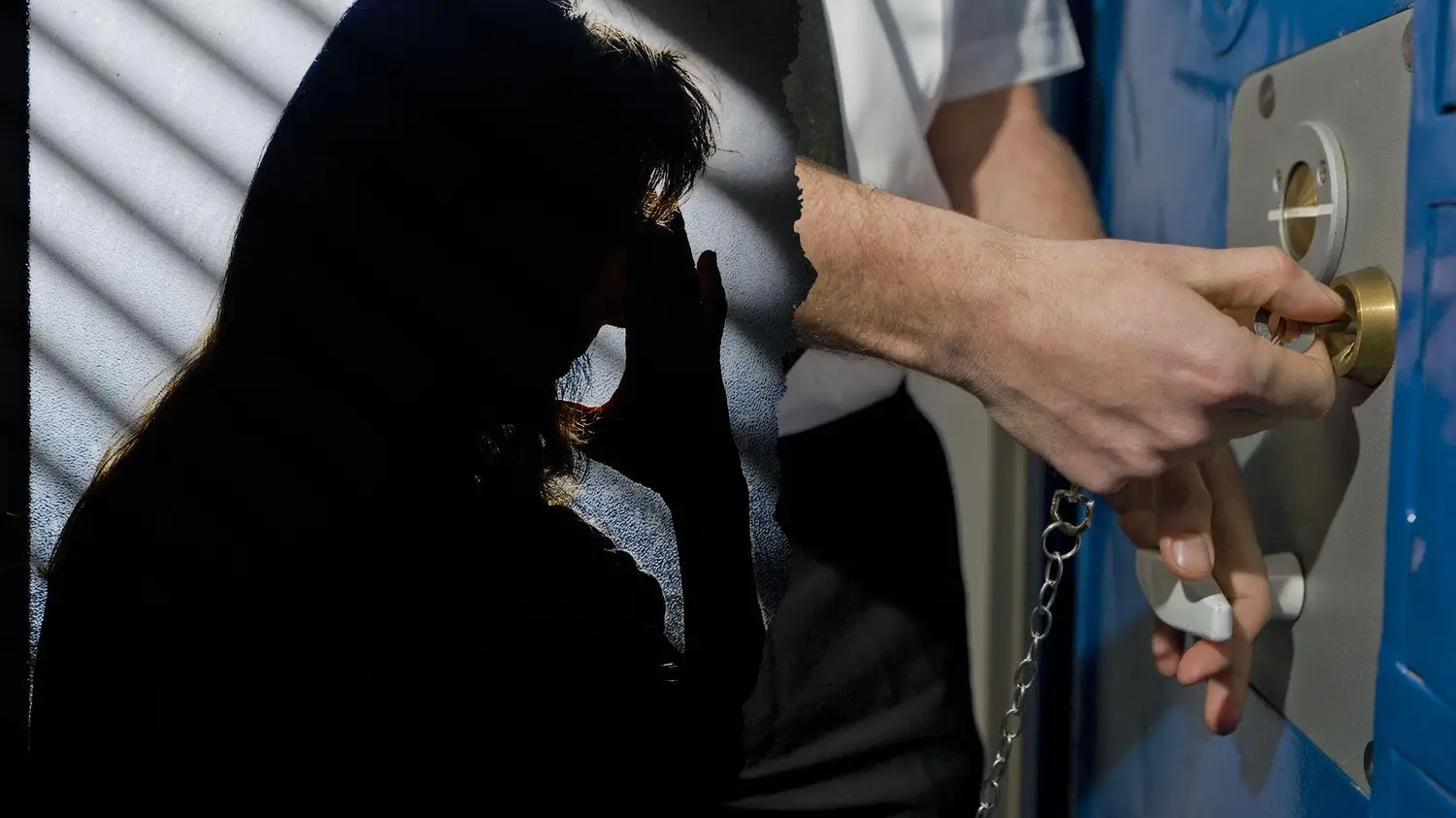
Two former prison officers in Northern Ireland have complex PTSD linked to their work experiences. Rebecca worked 11 years as a guard and faced physical and verbal attacks. Simon began his career at the Maze prison in 1988 and medically retired in 2013.
Rebecca experiences anxiety from everyday sounds like a school bell, which matches the prison alarm. This triggers a fight-or-flight response. She reports flinching and exhaustion from the reaction. She worked mainly with sex offenders and released some without rehabilitation.
Simon dealt with drugs and paramilitary prisoners during the Troubles era. He faced constant violence threats and attacks. Outside work, dissident republicans followed him in Belfast city centre. He has flashbacks, headaches, and stomach cramps.
Both report impacts on personal relationships. Rebecca trusts few people, including family. Simon credits grandchildren for his survival and notes effects on his marriage.
Dr Michael Duffy from Queen's University Belfast explains PTSD involves intrusive memories from trauma reminders. Complex PTSD adds issues with relationships, self-view, and emotion regulation. People stay hypervigilant and may use alcohol to suppress memories.
The Department of Justice states prison officers provide essential service amid physical and mental demands. It lists support including counselling and the Police Retraining and Rehabilitation Trust, which assesses referrals within two weeks. The service urges former officers to access help.
Northern Ireland holds 109 prisoners per 100,000 population. In 2025 data from 2023-24 showed high inmate density at Maghaberry jail with increased cell sharing.