Public Health Agency Urges Skin Cancer Prevention in Northern Ireland
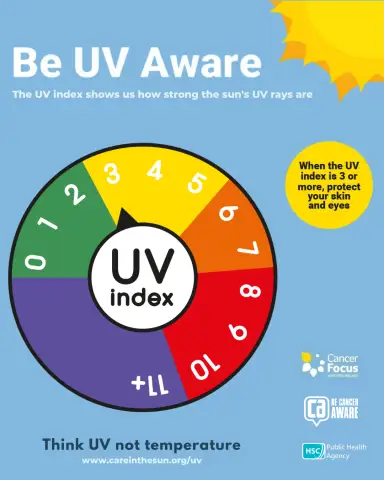
Skin cancer ranks as the most common cancer in Northern Ireland, accounting for over 31% of all diagnoses. More than 4,000 people receive skin cancer diagnoses each year. Nearly 1 in 10 cases involves malignant melanoma, the most serious type.
Malignant melanoma rates have increased from around 100 cases per year in the mid-1980s to over 400 in recent years. Frances Dowds, Health and Wellbeing Improvement Manager at the Public Health Agency, noted that over-exposure to UV radiation causes most skin cancers. She added that sunlight offers benefits like vitamin D production and mental health support but requires skin protection.
Sunbeds carry risks, with users facing a 20% higher chance of melanoma compared to non-users. Dowds stated that most skin cancers can be prevented with basic protection steps. UV levels peak in Northern Ireland from March to October, even on cool or overcast days.
When the UV index reaches 3 or higher, people should take precautions. Naomi Thompson, Health Improvement Manager at Cancer Focus Northern Ireland, recommended monthly skin checks for new or changing moles, spots or lesions. She advised examining hard-to-see areas like the back, soles of feet and scalp, and consulting a GP for adult-onset moles or changes.
Signs to watch include growths or sores not healing in 3-4 weeks, inflammation, bleeding, crusting or persistent itch. Early detection improves treatment success for most cases. During Sun Awareness Week from 11-17 May, the Public Health Agency and Cancer Focus Northern Ireland promote UV protection and self-checks.
A campaign runs through May in community pharmacies across Northern Ireland under the Living Well service. It covers sun safety, skin checks and medications increasing sun sensitivity.