Northern Ireland Records Highest Cancer Diagnoses Amid Prolonged Waiting Times
Northern Ireland sees about 10,700 cancer diagnoses each year, or 29 new cases daily. Cancer Research UK reports this as a record high, with incidence rates up 14% since the early 1990s. The disease causes 4,600 deaths annually and remains the leading cause of death.
Mortality rates have dropped 18% since the mid-1970s to their lowest level, though annual deaths rise due to population growth and ageing. Breast, prostate, lung and bowel cancers make up 54% of cases. About 57% of patients survive at least five years, rising to 87% if caught early and falling to 16% at late stages.
Only 31% to a third of patients start treatment within 62 days of a GP red-flag referral. Cancer Research UK's Liz Morrison stated the Northern Ireland Executive must prioritise waiting lists with an emergency plan to identify effective practices across specialities.
Philip McGuigan, Stormont Health Committee chairman, said Northern Ireland has the longest cancer diagnosis waits in western Europe. He noted bowel cancer screening starts at age 60 here, later than age 50 elsewhere in the UK and 57 in the Republic of Ireland.
Professor Mark Taylor, regional clinical director for elective care, called it an access issue, not a treatment problem. He praised clinicians' care quality and agreed Northern Ireland lags in bowel screening, urging earlier diagnostics despite budget constraints.
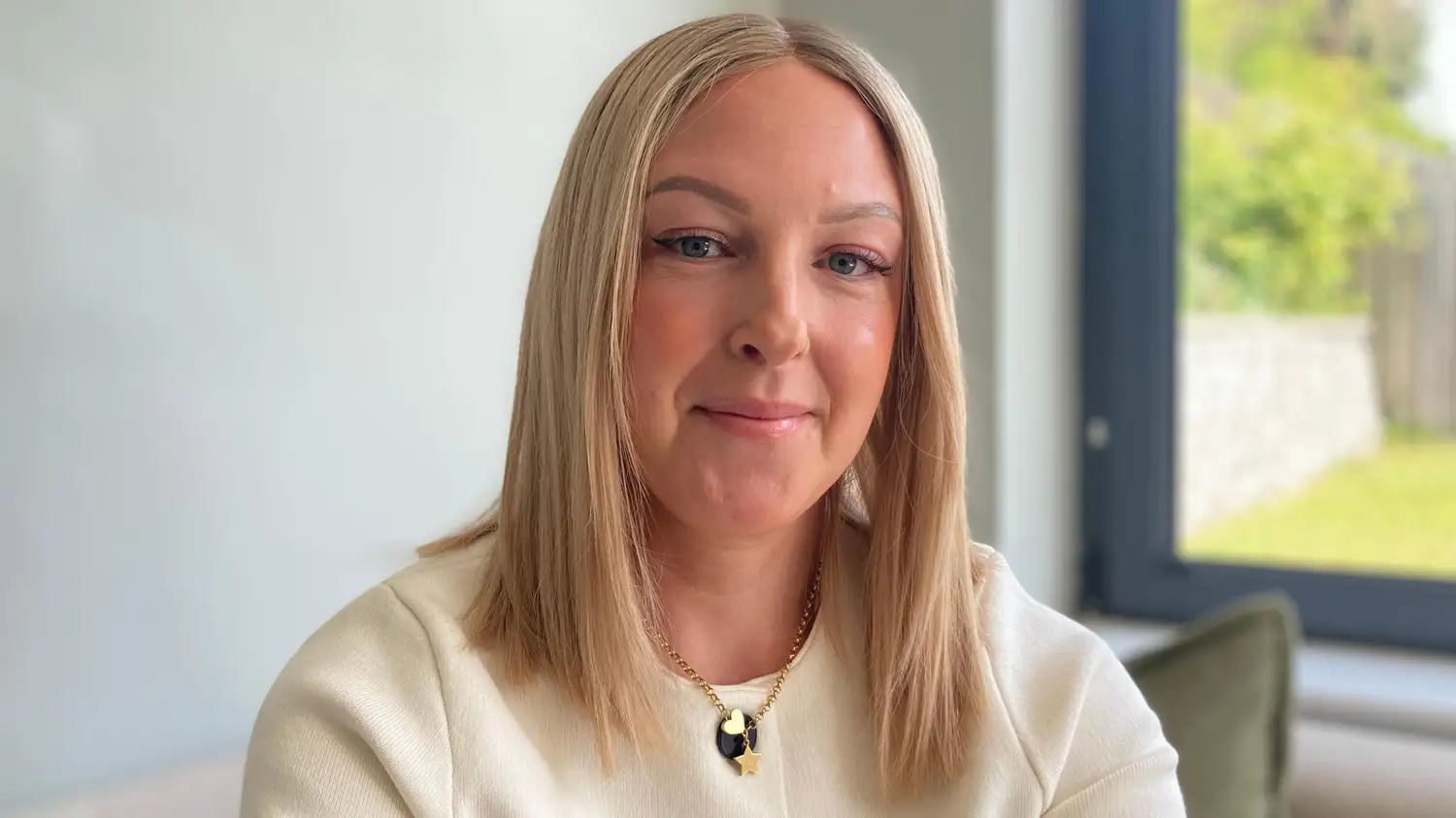
Claire Haire, diagnosed with breast cancer in September after finding a lump in July, waited five weeks for confirmation. The 40-year-old mother of two finished chemotherapy that began in December and faces radiotherapy soon. She described multiple waits for scans and results as adding family pressure given her cancer history.
Suzanne Rodgers, now cancer-free over a decade after stage four cervical cancer diagnosis, said quick progression from diagnosis to treatment made a difference. She urged early self-checks for better outcomes.