Queen's University Study Reveals Widespread Ecosystem Damage from Lough Neagh Sand Dredging
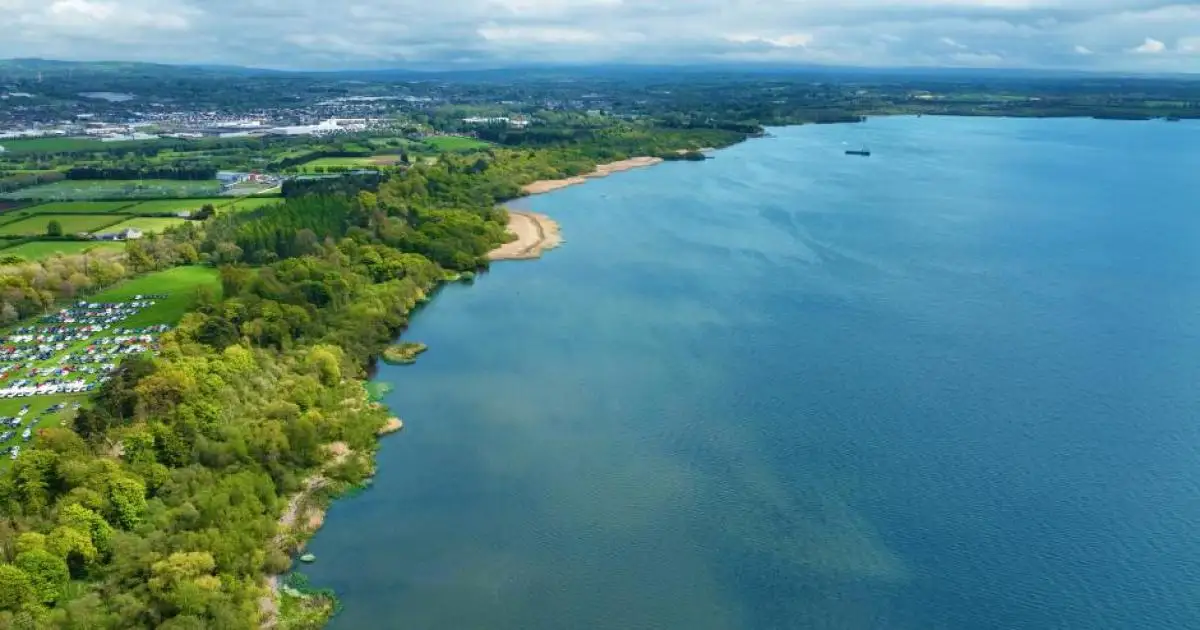
Researchers from Queen's University Belfast have found that commercial sand dredging in Lough Neagh creates extensive physical changes to the lakebed. The study, published this week in the Journal of Environmental Management, used high-resolution sonar mapping in a dredging zone. Results show depressions up to 17 metres deep in the sediment.
Satellite imagery detected silt plumes from dredging vessels visible from space. These plumes result from vessel propulsion and runoff at landing sites. Lough Neagh provides over 40 per cent of Northern Ireland's drinking water and supports designated fisheries habitats.
Dr Neil Reid, Reader in Conservation Biology at Queen's University Belfast, stated that the research quantifies impacts from sand extraction across much of the lake. He noted that disturbance affects the entire ecosystem, including water quality, habitats and biodiversity.
The study, conducted with Newcastle University, indicates dredging effects extend beyond extraction sites. Dr Reid said management must address physical disturbance alongside nutrients to aid lake recovery. He called on government to strengthen regulation, monitoring and enforcement.
Dr Reid suggested operational changes to lessen impacts. These include adjusting suction settings, limiting hopper overflow, using slower vessel speeds and fixed lanes. Additional measures involve avoiding high-thrust manoeuvres in shallow water and using settlement ponds on land.