Belfast City Council Opens Consultation on Extended Sunday Trading Hours
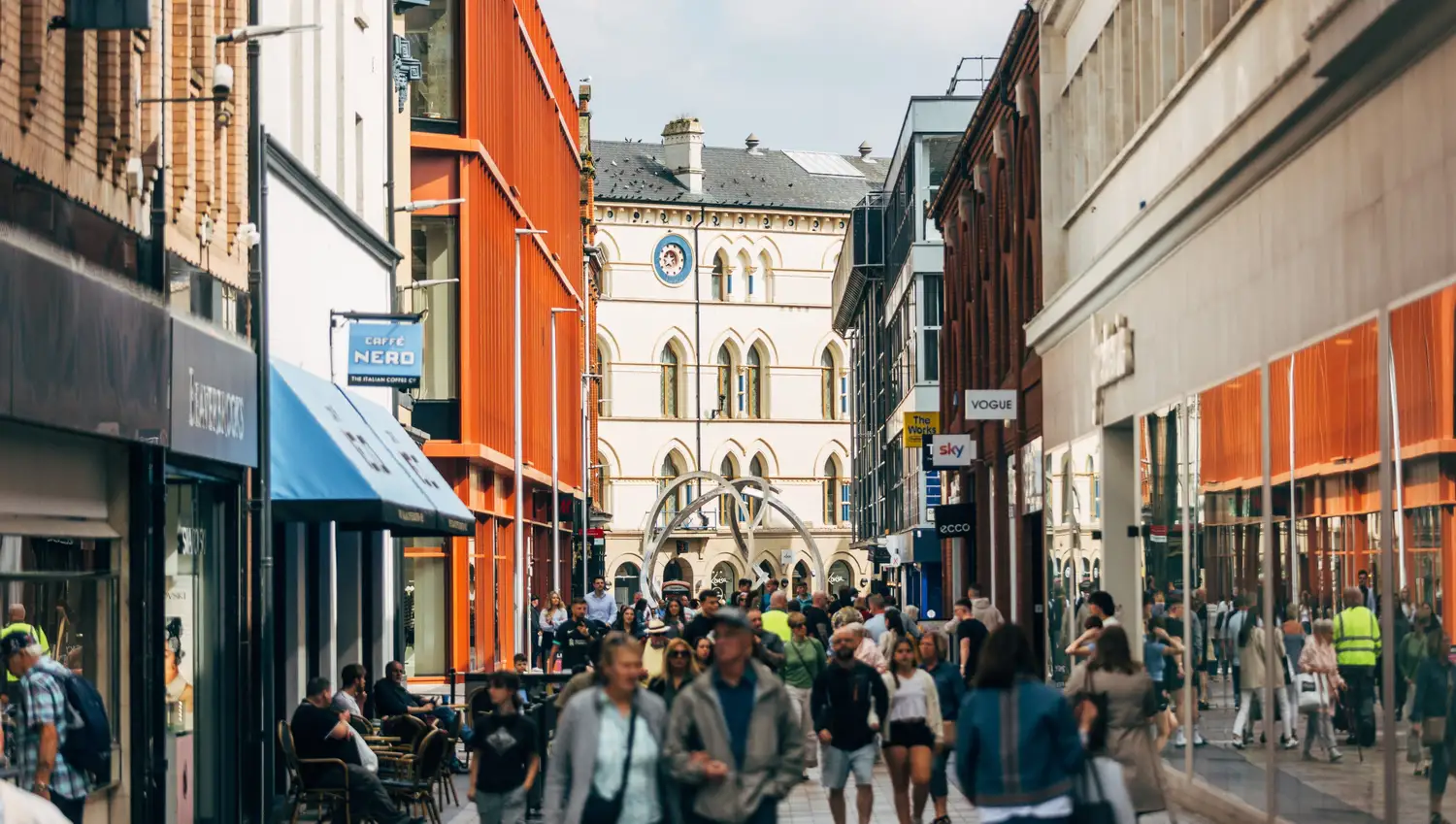
Belfast City Council has launched a public consultation on extending Sunday trading hours for large stores during high tourist periods. The consultation seeks input from residents, visitors, and business representatives.
Under the Shops (Sunday Trading &c.) (Northern Ireland) Order 1997, only designated holiday resorts permit stores over 280 square metres to open at any time on up to 18 Sundays from 1 March to 30 September, excluding Easter Sunday. Belfast lacks this designation, so such stores currently open only from 1pm to 6pm on Sundays. Smaller stores face no restrictions.
In July 2025, council members agreed in principle to apply the holiday resort status across the Belfast area, pending consultation. Feedback is accepted until 14 May 2026 via the Your Say Belfast platform at yoursay.belfastcity.gov.uk/sunday-openings.
After review, members will decide on the designation by June 2026. If approved, the first possible extended opening would be 5 July 2026, with 27 September 2026 as the last. Stores must notify the council of selected dates, limited to 18 per year, and revert to 1pm-6pm otherwise.
The council plans a register listing participating shops, their addresses, and extended hours. Councillor Natasha Brennan, chair of the Strategic Policy and Resources Committee, stated the council aims to improve retail and hospitality on Sunday mornings for residents, businesses, and visitors during the holiday period.
Brennan noted Saturday nights see peak hotel stays, with St George's Market as a key Sunday morning attraction. She said the hospitality sector wants Sunday morning events, partners seek family-friendly improvements, and views from faith groups and workers are welcome given Sunday's role in worship and rest.
Alliance Castle Councillor Sam Nelson welcomed the consultation as follow-up to his proposal from last year. Nelson said the changes would aid businesses with weekend trade, animate the city centre, offer more options to tourists and families, and pair with revitalisation efforts while protecting workers' rights.