Murder Trial Continues as Judge Dismisses No Case to Answer Applications in Lyra McKee Killing
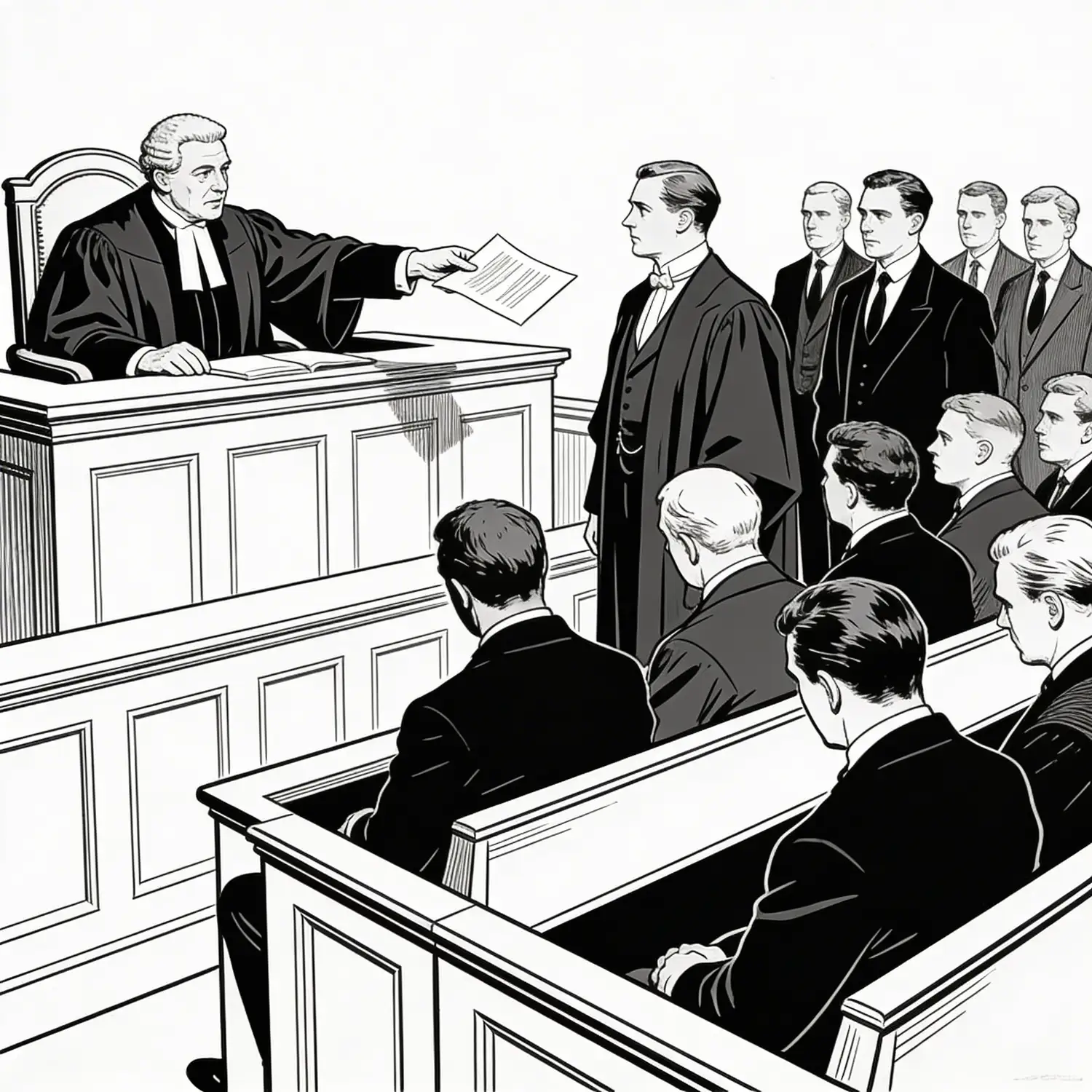
Mrs Justice Smyth, sitting at Belfast Crown Court without a jury, has dismissed applications of no case to answer made on behalf of all defendants charged in connection with the murder of journalist Lyra McKee and rioting in the Creggan area of Derry on 16 and 18 April 2019. The ruling means the trial will continue against all nine defendants.
McKee was shot and fatally injured during rioting in the Creggan on 18 April 2019. The defendants fall into two groups: a masked group alleged to have been directly involved in the riot - Paul McIntyre, Peter Cavanagh, Jordan Devine, Christopher Gillen and Joe Campbell - and an unmasked group alleged to have intentionally assisted or encouraged them, comprising Patrick Gallagher, Jude McCrory, Joe Barr and Keiran McCool. McIntyre, Cavanagh and Devine are additionally charged with murder on a joint enterprise basis, meaning they are not alleged to have fired the weapon themselves but to have intentionally encouraged or assisted the gunman.
The prosecution case rested on circumstantial evidence across several strands, including commercial television footage from MTV and French broadcaster Pangaia, imagery analysis by expert analysts, DNA evidence from a zip pull on a jacket, cell site data, gait analysis, and bad character and association evidence. The defence challenged the admissibility of several categories of this evidence before the no case to answer applications were considered.
The judge excluded identification and recognition evidence gathered by police officers at controlled viewings after finding that a member of the PSNI Major Investigation Team had shown footage of masked rioters to a group of officers in an informal, undisclosed session - referred to in the judgment as "the Waterside viewing" - prior to the formal controlled viewing procedure. This breached Code D of the Police and Criminal Evidence (Northern Ireland) Order 1989. The judge described the conduct as "deeply disturbing behaviour by an experienced police officer who displayed an unhealthy desire to identify the perpetrators at any cost." The Waterside viewing did not come to light until two years after the identifications had been made. The judge also found there had been widespread improper access to the NICHE police computer system. Despite excluding the identification evidence, the judge refused to stay proceedings as an abuse of process, stating that the defendants could still receive a fair trial and citing "the important public interest that those charged with grave crimes should be tried."
The judge also excluded the imagery analysis evidence of one of two expert witnesses, Mr Stephens, finding that his independence had been undermined by repeated contact with senior police officers and the failure to retain records of that contact. She found his reports may have been influenced by those communications and that he had made significant amendments to conclusions without disclosing the fact or rationale. The evidence of the second imagery analyst, Mr Wooller, was admitted, though the judge noted weaknesses in his analysis - including his acknowledgement that cognitive bias could not be excluded - as matters of weight to be determined at trial's end. Mr Wooller's evidence is described as the main strand of the prosecution case against McIntyre, Devine, Gillen and Campbell on the riot charges, and central to the murder charges.
On the question of bad character and association evidence, the judge admitted a number of categories while excluding others. Admitted evidence included convictions linked to terrorism, attendance at paramilitary-style marches and funerals, social media material on Joe Campbell's phone containing posts from Oglaigh na hEireann and searches for a named police officer who was the subject of an attempted murder, and Instagram posts by Cavanagh dated two days after McKee's shooting referencing Easter 1916 and Irish Republicanism. McIntyre's previous convictions for riot were also admitted as evidence of propensity.
In dismissing the no case to answer applications, the judge applied a test of whether the evidence was so discredited or intrinsically weak that it could not properly support a conviction. In respect of the unmasked defendants, she found their presence - as representatives of Saoradh, facilitating MTV filming and observing criminal activity at close quarters - was capable of amounting to intentional encouragement or assistance. For the masked defendants facing murder charges, she found the prosecution evidence, including the footage of individuals accompanying the gunman and picking up misfired cartridges, raised matters of inference and intent that could only be properly determined at the conclusion of the trial. The judge stated: "Having considered all of the evidence I do not consider that there are no circumstances in which I could properly convict any of the defendants charged with murder."