Bluetongue confirmed in County Down sheep flock
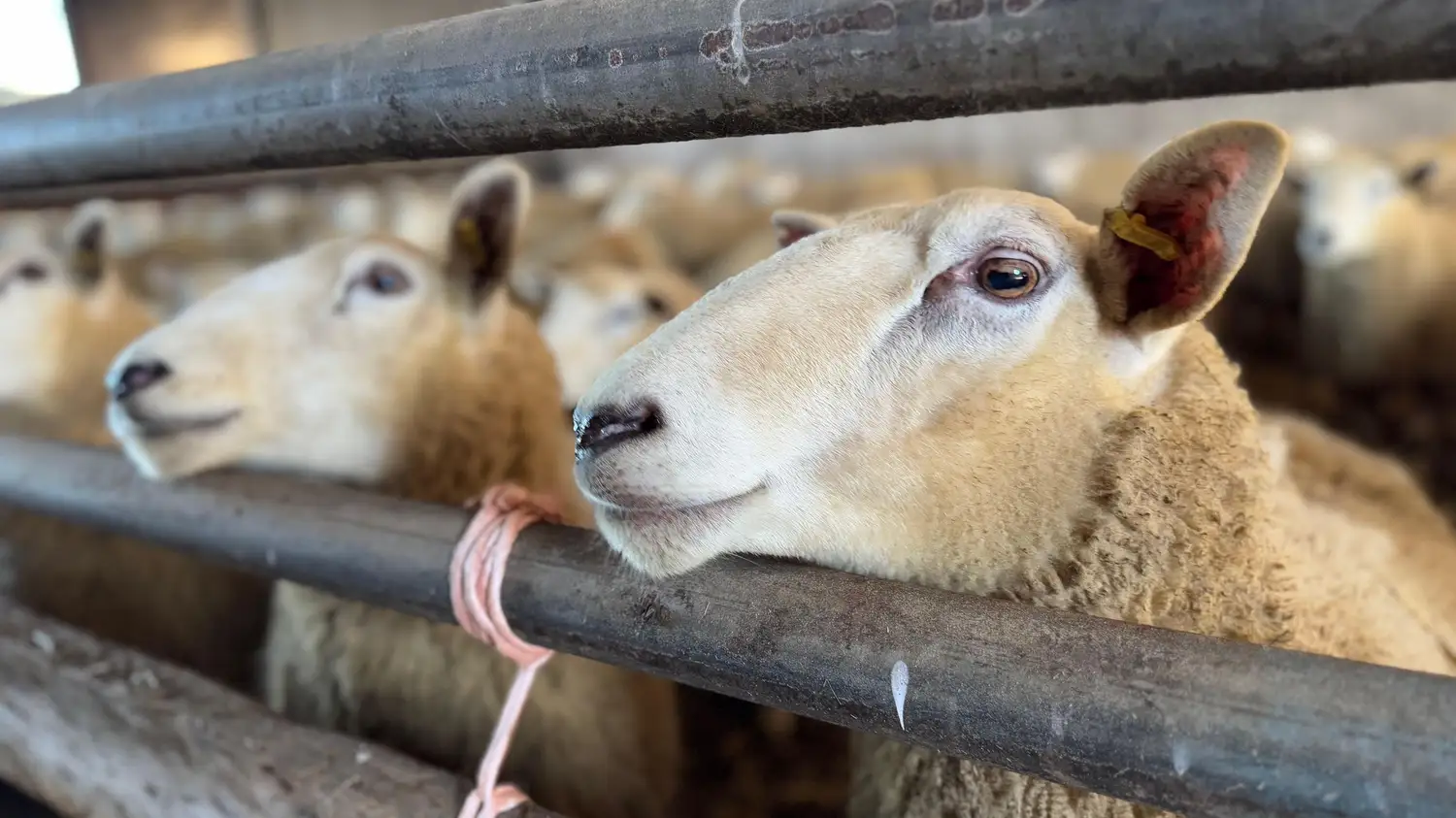
The first case of bluetongue in Northern Ireland this season has been confirmed in three sheep on a farm in Kilkeel, County Down.
The Department of Agriculture, Environment and Rural Affairs said no additional movement restrictions or disease control zones will be applied. The virus has been present in Northern Ireland since November 2025, when it was first detected near Bangor, and has since affected other herds along the eastern coast.
Agriculture Minister Andrew Muir described the confirmation as disappointing but not unexpected, citing the spread of the disease across Great Britain and the Republic of Ireland. He said continued vigilance and strict biosecurity measures remain essential and urged farmers to report any suspicion of disease to the department. He added that bluetongue poses no threat to public health or food safety and that milk and meat are safe to consume.
Chief Veterinary Officer Brian Dooher said farmers should be extra vigilant for signs of the virus in their flocks and herds. Active surveillance is ongoing at abattoirs alongside post-import testing of susceptible animals from mainland EU countries. He also stressed the importance of safe and responsible sourcing of animals.
More than 100 cases have been confirmed across the Republic of Ireland in recent months. In Great Britain, 2,950 cases have been recorded in England, 512 in Wales and 57 in Scotland. The mild winter is likely to have allowed more of the biting midges that spread the disease to survive and become infectious this season.
Diana Armstrong, chairwoman of the Assembly's agriculture committee, said farmers should know what to look for and who to contact. She noted that the disease affects cattle, sheep, goats, deer and alpacas, and that colder weather reduces midge activity, providing time to prepare before next season.
Bluetongue is an insect-borne viral disease affecting ruminants including cattle, sheep, goats and deer, as well as llamas and alpacas. It does not affect humans. Anyone suspecting the disease in their animals should report it immediately to the department's helpline or their local direct regional office and seek veterinary advice.