Farmers urged to vaccinate livestock as bluetongue cases surge in Britain and Ireland
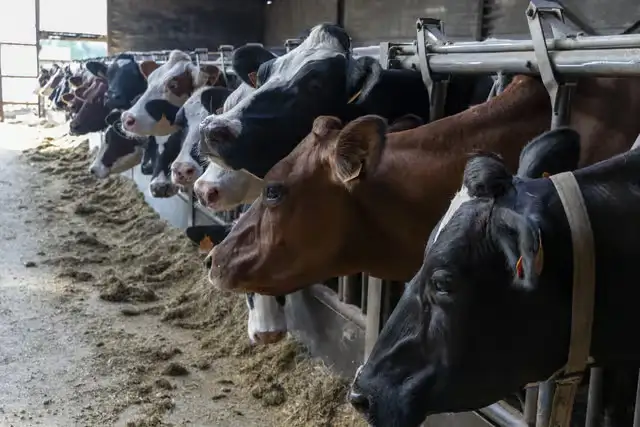
Northern Ireland's Agriculture Minister has urged livestock keepers to vaccinate their animals against bluetongue virus (BTV) amid a sharp rise in cases in Great Britain and detections in the Irish Republic.
Since July 1, there have been more than 1,600 confirmed cases of the BTV-3 strain in Great Britain, compared with 348 cases in the previous season. The Irish Republic has confirmed eight cases in counties Wexford, Wicklow, Kildare and Louth.
No cases have been detected in Northern Ireland during this season, but Minister Andrew Muir said the disease could already be present without visible signs. He said there is a strong possibility clinical cases will emerge over the next month.
Bluetongue affects cattle, sheep, goats, deer, llamas and alpacas. Clinical signs include lesions, sores and ulcerations affecting the nose, eyes, mouth, gums and dental pads, as well as fever, breathing difficulties, loss of appetite, lethargy, abortion, stillbirths and birth deformities.
There are no risks to public health or food safety, and meat and dairy products remain safe to eat. However, the disease can have devastating impacts on herds, affecting fertility and overall productivity.
A number of suspect cases have been reported in Northern Ireland in recent weeks but all were ruled out following laboratory testing.
Vaccination is the only preventative tool. It takes approximately six weeks for cattle and three weeks for sheep to develop full immunity.
Farmers are urged to discuss vaccination with their private veterinary practitioner. Anyone suspecting bluetongue should report it immediately to DAERA on 0300 200 7840 or their local DAERA Direct Regional Office.
DAERA officials are continuing surveillance at abattoirs and carrying out post-import testing on susceptible animals from mainland EU countries. The department is maintaining close engagement with counterparts in Britain and the Irish Republic.