Bill to End Restrictions on Catholics and Jews in Church Appointments Awaits Lords Stage
A bill removing the final legal restrictions on Roman Catholics and Jews in the Church of England appointments process is awaiting its second reading in the House of Lords. The Church Appointments (Repeal of Discriminatory Provision) Bill would end provisions that bar members of both faiths from advising the monarch on the installation of bishops and archbishops. Under current arrangements, the Church of England presents a candidate to the prime minister, who then advises the monarch as head of the Church. The bill must pass both the Commons and the Lords before becoming law.
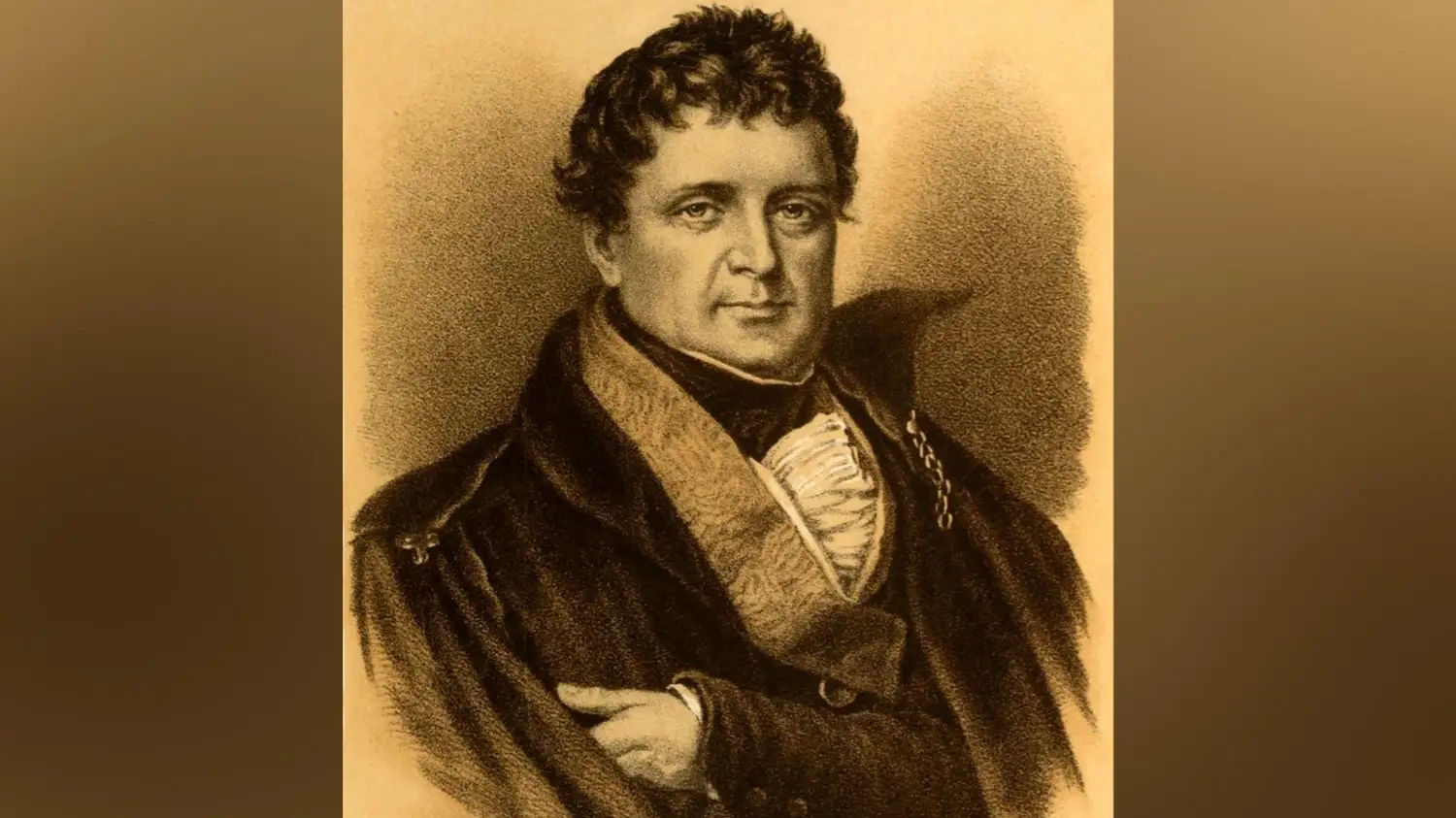
The legislation has drawn attention to the legacy of Daniel O'Connell, the 19th-century lawyer and politician who campaigned for Catholic Emancipation. Born in County Kerry in 1775, O'Connell was elected MP for Clare and secured the Roman Catholic Relief Act 1829, which removed some restrictions on Catholics in public life. Professor Patrick Geoghegan of Trinity College Dublin said O'Connell's achievement left an incredible legacy, noting that it was secured through exclusively peaceful and democratic means at a time when other reformers had used violence and failed.
Deirdre Costigan, MP for Ealing Southall, said during a Commons debate on the bill last month that there is no statue or portrait of O'Connell in Parliament. She said the bill represents the final instalment of the long fight O'Connell was involved in and that the upcoming 200th anniversary of the 1829 Act makes it a fitting moment. Costigan added that she and other parliamentarians may seek to address the lack of recognition for O'Connell in Westminster.
Geoghegan said O'Connell would likely be amused that almost 200 years after his greatest achievement these last remaining elements could be removed. He added that O'Connell would also be impressed that the UK now has a Catholic prime minister and that this is not a source of controversy. While there are no statues or portraits of O'Connell in Westminster, Geoghegan said he is not forgotten and remains relevant amid challenges such as political polarisation and declining trust in institutions. O'Connell, he said, showed that massive change could be achieved by mobilising people through democratic means.