Home-educated children join Ballycastle dig to uncover lost 18th-century building
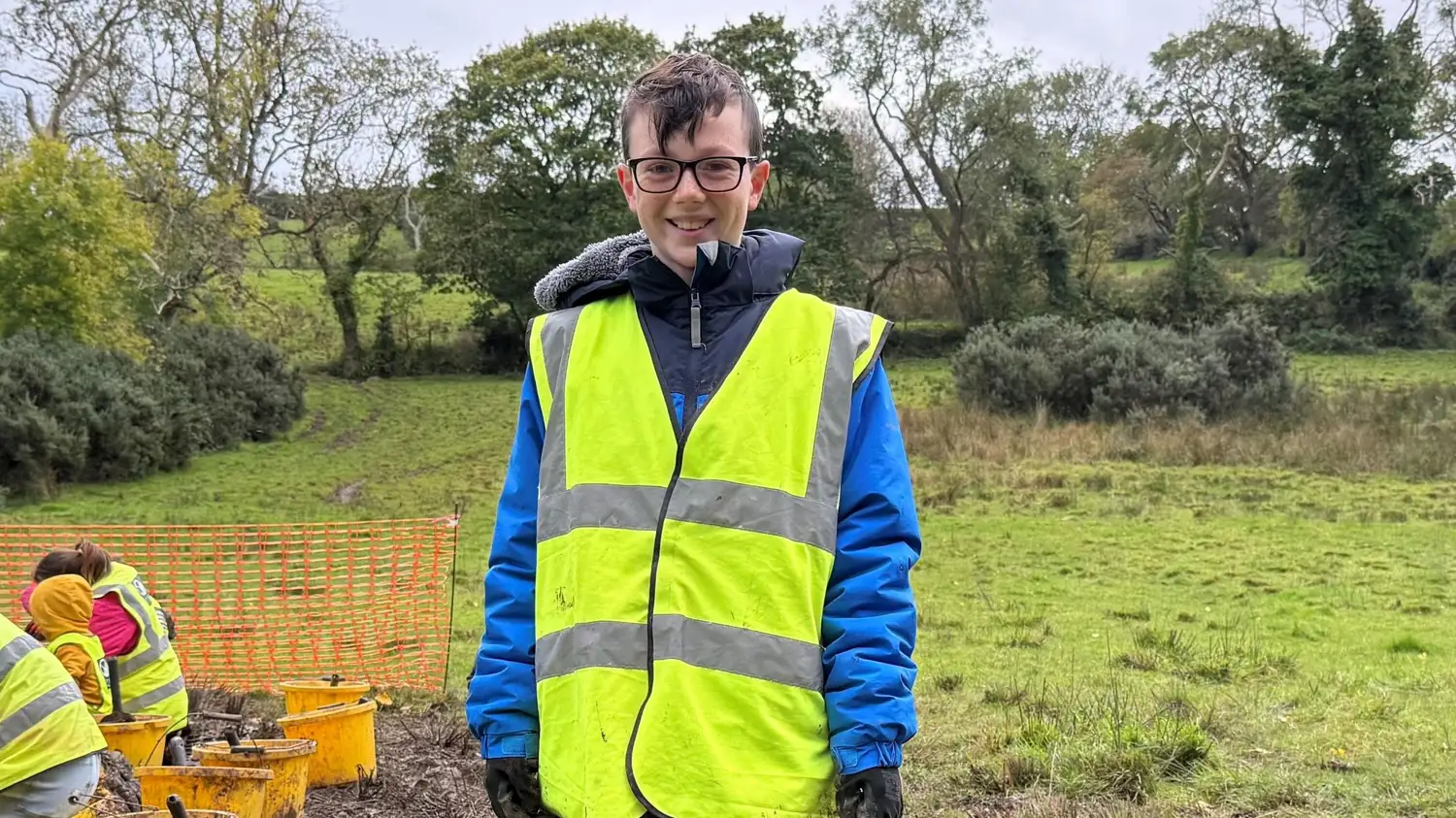
A group of home-educated children took part in an archaeological excavation in Ballycastle, County Antrim, helping to uncover the remains of a building shown on a map from 1786. The structure had disappeared from maps by the 1830s, and its original purpose remains unknown.
The excavation is part of a project involving Ballycastle Museum, Queen's University Belfast, and the Community Archaeology Programme Northern Ireland. It pairs professional archaeologists with local school groups, home-schooled children, and adult volunteers.
Dr Colm Donnelly, a professor at Queen's University Belfast, is leading the excavation. He said Ballycastle was a real industrial centre around 1750, and researchers are investigating whether the building could be linked to the town's industrial past, possibly as part of a bleach yard associated with businessman Hugh Boyd.
So far, the team has discovered evidence of a brick floor and artefacts including slate, iron, and coal. Donnelly said the project is about involving the community to study the past of their community, and described the children as the next generation who will be the custodians of our heritage.
Jude, one of the home-schooled children, said he previously took part in a dig at another location and enjoys being outdoors. He said he uncovered slate, iron, and coal during this excavation.
Tobin, another participant, said he hoped to find a key, bricks, or an arrowhead. He said taking part had made him more interested in history, and that getting out there is actually quite fun.
Catherine McDaid, a parent of home-educated children, said it was a great experience because it offered hands-on learning outdoors and a chance for children of different ages to meet and learn about potential careers. Linda Gibson, another parent, said the practical experience brought history to life and allowed children to interact with archaeologists and other professionals. She said her daughter is interested in studying history, and that local history is as valuable as studying events further away.
Nick Wright, project officer for Ballycastle Museum, said community excavations are a great way of getting people actively involved. Despite wet weather during the first two days of the project this week, the children and adult volunteers persevered. Wright said it is important for the community to understand their local history and identity.