Carmel Heaney, Irish diplomat who countered US support for republican paramilitaries, dies at 102
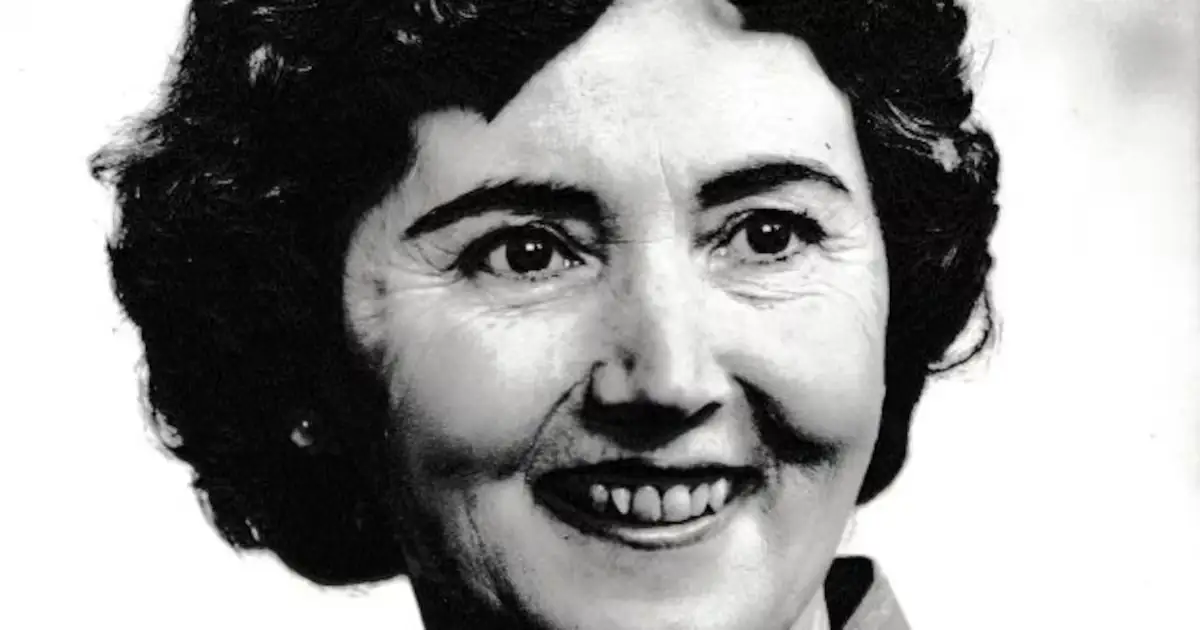
Carmel Heaney, a former Irish diplomat who faced intimidation while working to counter support for paramilitary groups in the United States during the Northern Ireland Troubles, has died at the age of 102. She passed away in August at a hospice in Blackrock, Dublin.
Heaney served as Ireland's Consul General in Boston from 1969 to 1983, covering the New England states. Her brief from the Department of Foreign Affairs was to dissuade Irish Americans from sending money to paramilitary causes in Northern Ireland, which at the time amounted to an estimated $3,000 to $4,000 per month.
Her work brought direct personal consequences. In January 1973, republican sympathisers occupied the Irish Consulate General offices in Boston for a day in protest at the Irish government's proscription of paramilitary organisations. Heaney and her team were trapped inside, but they managed to contact local media before police arrested the protesters.
Following that incident, Heaney faced harassment at her home, including abusive phone calls at all hours and the playing of rebel songs. The intimidation was severe enough that she and her husband temporarily moved out. During the 1981 IRA hunger strikes, protesters picketed her home, carrying placards and throwing stones at her door.
In April 1981, ten members of the Irish Prisoners of War Committee, Noraid, and the Irish National Caucus entered the consulate with a letter demanding the Irish government intervene to prevent further deaths. They refused to leave until Heaney met them, and she engaged in a two-hour discussion with the group.
Despite the hostile actions, Heaney noted in correspondence with the Department of Foreign Affairs that the great majority of Irish organisations in Boston were not involved in the protests.
Heaney's diplomatic career was marked by other significant work. She was the only woman on the Irish delegation to the United Nations between 1966 and 1971, where she presented the government's opposition to Britain's policy of internment without trial in Northern Ireland. She later rejoined the UN delegation in 1979 and was appointed to the Special Political Committee as Ireland's Middle East and Cyprus expert.
Her marriage to US citizen Henry Heaney in the late 1960s created a challenge, as Irish law at the time required female civil servants to retire upon marriage. A local arrangement allowed her to continue as a locally employed staff member at the consulate, and she was formally reinstated as a civil servant after the marriage bar was lifted in 1973.
Heaney was recognised for her contributions with an honorary doctorate from Stonehill College in Massachusetts and the title of Dean of the Boston Consular Corps. After retiring in 1989, she remained active in Dublin, advising the US Embassy on its Fulbright scholarship programme and serving on the boards of the National Library and the RDS library. She also wrote a lengthy study on Young Irelander William Smith O'Brien and contributed columns to Irish newspapers.