Ecological crisis at Lough Neagh linked to historical ownership dispute
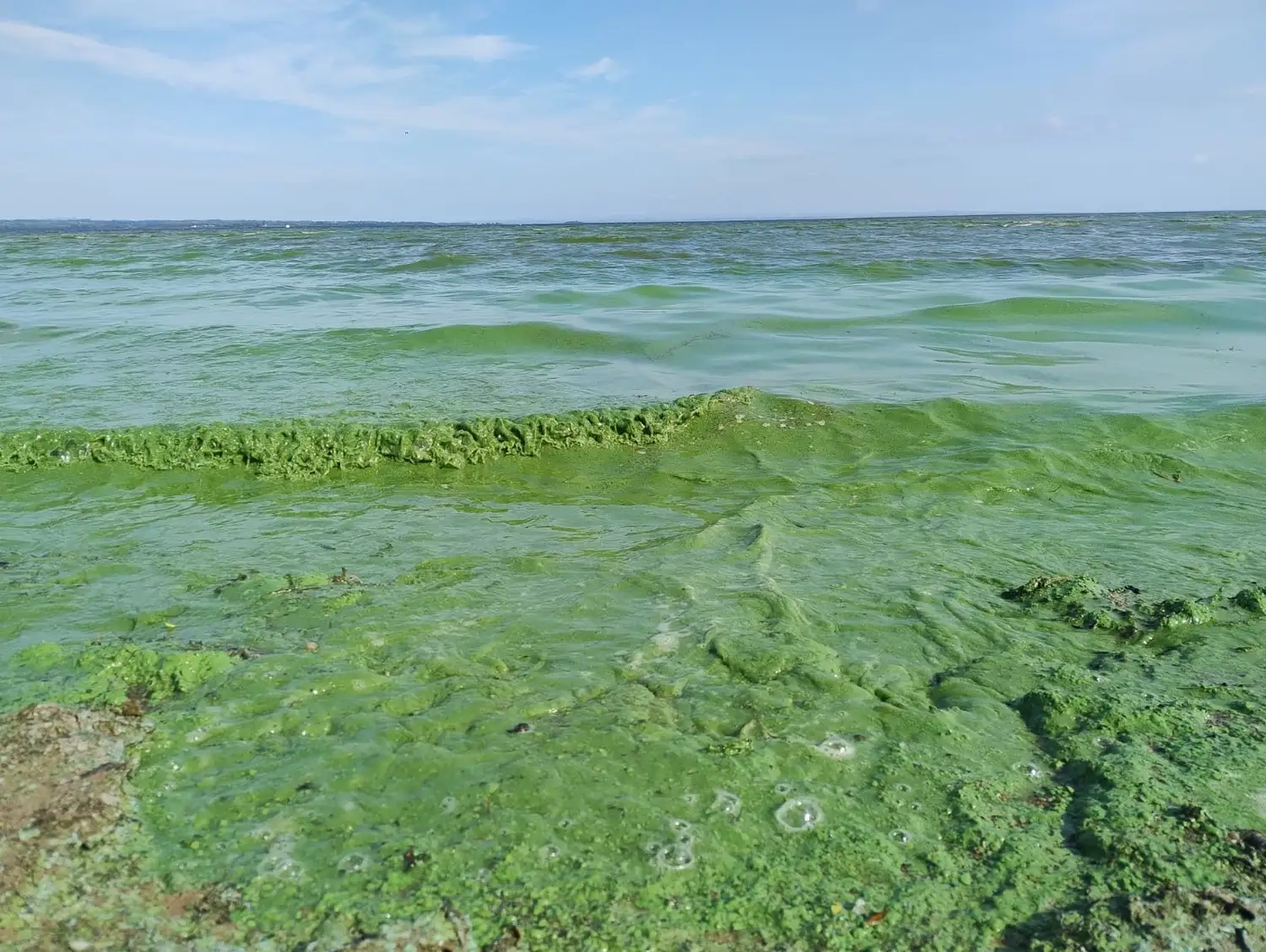
Environmental concerns at Lough Neagh are being linked to a historical ownership claim over the lake bed, which some argue has impeded effective protection. The lough, the largest freshwater lake in the UK and Ireland, has experienced significant algal blooms in recent weeks, affecting wildlife and local fishing communities. Observations include swans trapped in thick green algae, and reports of kingfishers and otters unable to feed through the blooms. Fishermen have reportedly been forced to leave the industry that has supported their families for generations.
The ownership issue stems from rules that date to colonial times, under which the lough bed is effectively claimed by an absentee English landlord. Critics describe this as a historical wrong that remains an affront today. They argue that the lough should be owned by no one, with protection given to those whose livelihoods depend on it, who have traditional knowledge of sustainable use.
Supporters of local stewardship point to traditional practices that emphasized moderation and gratitude for nature's gifts. Lough Neagh, named after the mythical King Eachach who drowned when it was formed, was once considered sacred and respected. It provided food for local families, who took only what they needed.
The current crisis has renewed calls to reject market-driven exploitation and return to older ways of thinking that recognize abundance rather than scarcity, and treat the natural world with respect. Such views are shared in works like Robin Wall Kimmerer's 'Braiding Sweetgrass', which contrasts indigenous approaches with Western hierarchies that place humans above other species.
The situation at Lough Neagh remains a focus for environmental campaigners, who argue that legal clarity on ownership is essential to address the ecological decline and support the communities around the lough.