AI expansion brings factory growth in the north west but job reviews in Belfast
Northern Ireland has two distinct artificial intelligence-related employment trends emerging in early 2025: hardware manufacturing is expanding, while some professional services operations in Belfast are reviewing jobs as automation advances.
In Ballykelly, County Londonderry, TES operates from a converted aircraft hangar on the shores of Lough Foyle. The company, recently acquired by French industrial group Legrand, designs and produces electrical systems for AI data centres. Its managing director, Michael Beagan, said the workforce has grown from two people four years ago to about 175 now. The firm is developing an apprenticeship scheme with North West Regional College in Limavady.
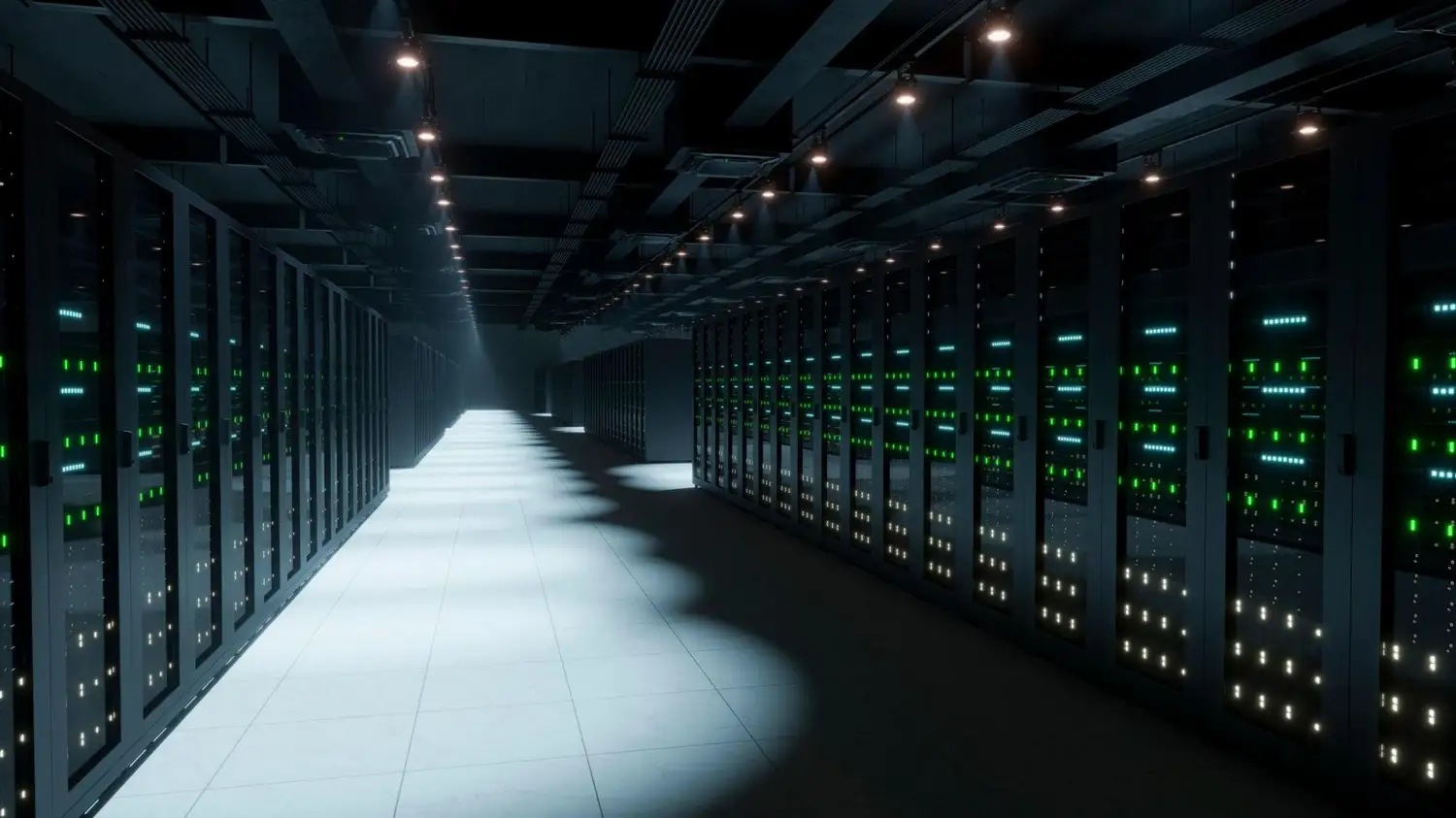
Data centres housing computer servers require large, uninterrupted power supplies and cooling systems. TES is one of several local businesses supplying that infrastructure. Vertiv recently announced 300 new jobs at its facility in Letterkenny, County Donegal, across the border. Seagate, a US-owned manufacturer in the north west, makes hard disc drives used for AI data storage and has sold out its production through 2028, providing some stability for its Derry workforce of about 1,500 after redundancies in 2024.
But the same technology is putting pressure on back-office and professional support roles in Belfast. Baker McKenzie, a US law firm that opened a Belfast service centre in 2014 with about 500 staff, announced in February a review of its global support operations that could remove up to 1,000 jobs worldwide. About 50 of those would be in Belfast. The firm said the review is intended to rethink working methods, introduce efficiencies through AI, and invest in roles that best serve clients. Cybersecurity firm Rapid7, which employs more than 500 people in Belfast, also said it is cutting 12 percent of global roles to shift resources to its AI-first platform. That could equate to around 60 local posts, although no local figure was confirmed.
These figures are small compared with record private sector employment in Northern Ireland of 620,000, but they indicate a possible direction for back-office and professional support roles. Dr Lisa Wilson, a labour market economist, has been studying automation impacts since 2019. Her initial research estimated that 7 percent of Northern Ireland jobs, about 60,000 positions, were at high risk of being lost to automation, with a further 58 percent likely to see substantial changes to tasks over the medium term. She has called for a nuanced discussion about which jobs will remain, which will be created, and how their quality compares to lost roles.
The Artificial Intelligence Collaboration Centre (AICC), a joint initiative of Ulster University and Queen's University Belfast, is working with local companies to build practical AI skills. Director David Crozier said the centre has worked with a wide range of businesses, including manufacturers using sensor data and a graphic design firm seeking faster workflows. Entrepreneurs Oonagh O'Reilly and Marie-Claire McGreevy developed Mel, an AI-powered business development platform for accountants and lawyers, with support from the AICC. O'Reilly said AI opens new opportunities to start and scale businesses in Northern Ireland, while McGreevy said the collaboration helped them understand long-term costs and strategic deployment.
A Department for the Economy spokesperson said AI presents significant opportunities for the economy. The department is working with partners across education, industry and government to support AI capability through initiatives including the £16.3 million AICC and Assured Skills Academies. An AI advisory panel has been established by the economy minister, and the department is working with the Office of AI and Digital in The Executive Office on a public sector AI strategy currently out for consultation.