Community Living Proves Viable for Former Muckamore Patients as Inquiry Report Urges Change
The final report of the Muckamore Abbey Hospital public inquiry was published last week, highlighting systemic failures in the care of vulnerable adults. The inquiry examined conditions at the County Antrim facility between December 1999 and June 2021, following a police investigation launched in 2017 into allegations of ill-treatment. Since November 2017, 116 patients have been resettled from the hospital, which is set to close with only one person remaining on site.
Advocates say the shift to community-based care is achievable for people with the most complex needs. Agnes Lunny, chief executive of the charity Positive Futures, said that people with a learning disability deserve to live as equal citizens in the community. She stressed the importance of moving away from crisis responses and supporting families early to ensure a good quality of life.
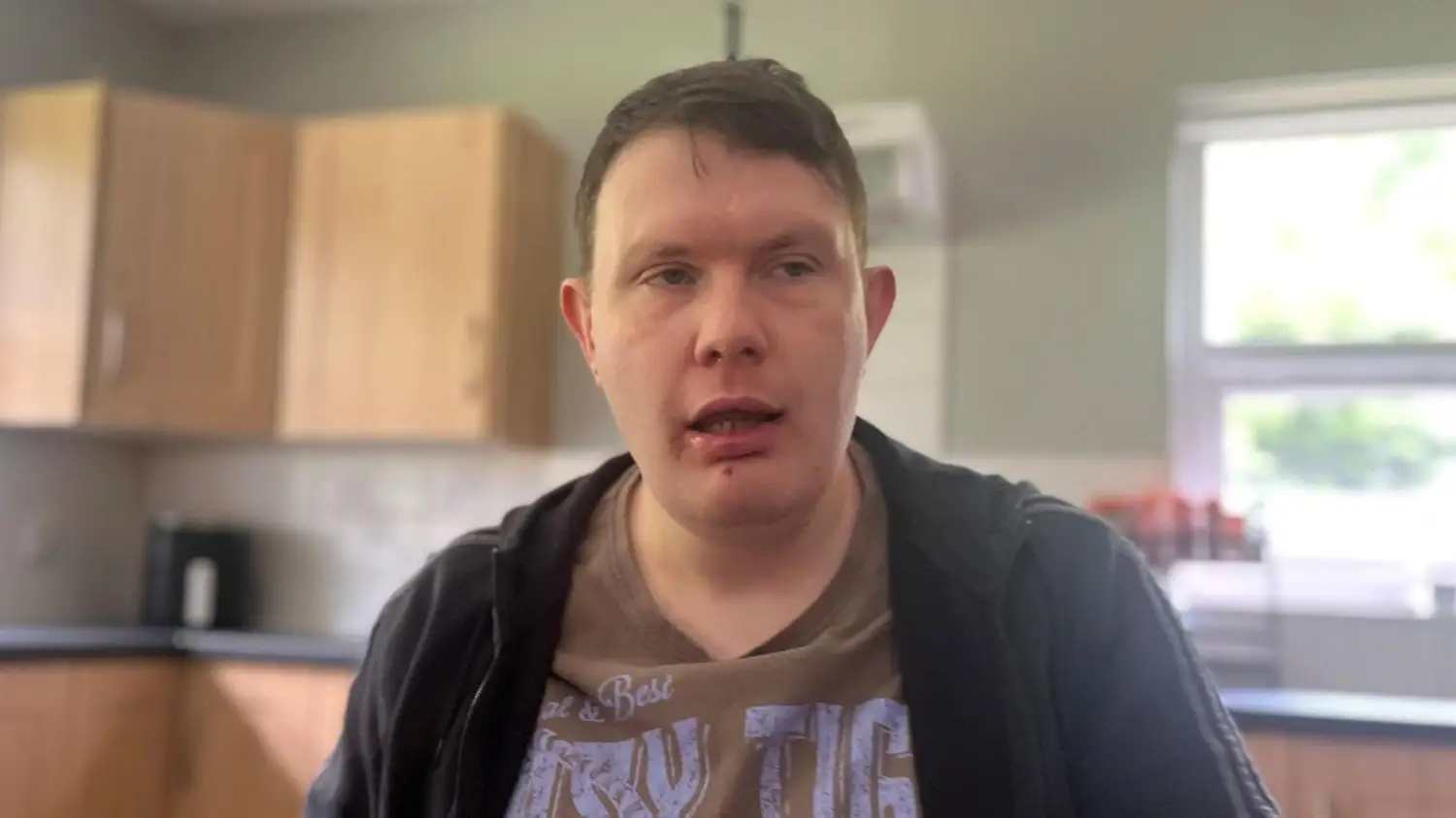
Positive Futures has supported 24 of the 116 resettled individuals. Among them is James Patton, a 39-year-old non-verbal man with complex needs who left Muckamore in 2007 and now lives in his own home with round-the-clock specialist care. His parents, Pam and Ronnie Patton, said his quality of life has improved markedly. Staff understand his routines and preferences, and he enjoys outings for football and picnics. When he wants privacy, he goes to his bedroom, and when he wants his parents to leave, he waves or even fetches their coats.
Timothy Jones, 31, spent nine years at Muckamore before moving to his own home earlier this year. Also non-verbal and with challenging behaviours, he is supported by a team of three carers. His mother Dawn said his life is now calmer and he appears more in control of his environment. Carer Tobias Stewart said Timothy has grown in confidence, helps himself to tea in the kitchen, and enjoys trips to the beach and to McDonald’s.
Official figures show that more than 1,200 adults with a learning disability in Northern Ireland receive a care package, split almost evenly between nursing care and residential placements. The independent sector provides 97 per cent of all care packages in the region, the vast majority for older people. Costs vary but are heavily driven by staffing.
The inquiry report acknowledged that abuse was not universal and did not involve a majority of staff. However, resettlement from Muckamore has faced sharp criticism for being poorly planned, delayed by inadequate community resources, and marred by placement breakdowns that forced some individuals to be readmitted. Multiple deadlines to empty the hospital were missed.
Charities and families maintain that with proper investment, people with complex needs can live safely and happily outside institutional settings. Positive Futures continues to demonstrate that tailored, person-centred support enables independent living, as evidenced by the experiences of men like James and Timothy.