Brexit anniversary: Northern Ireland voters call it a failure as unity debate grows
On the tenth anniversary of the Brexit referendum, a study by Queen's University Belfast finds most voters in Northern Ireland consider the departure from the EU a failure. Two-thirds believe it has made the break-up of the UK more likely.
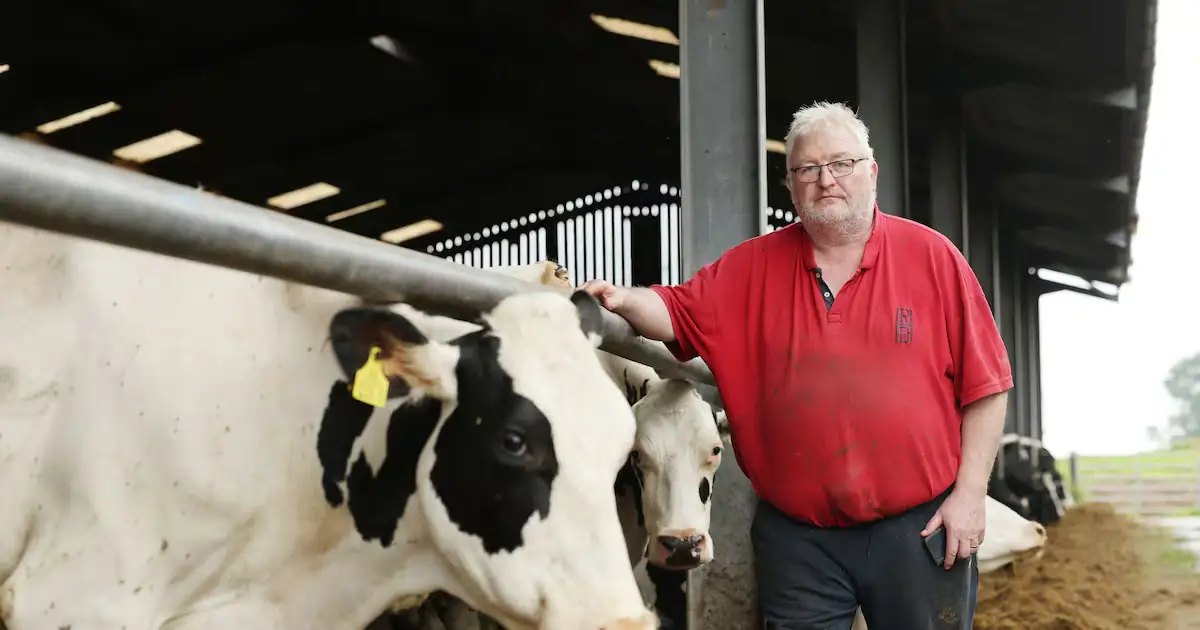
In Waringstown, County Down, farmer Charlie Weir, who voted leave a decade ago, now says he made the wrong decision. He told the Irish Times that promises made by leave campaigners on health and farming have not materialised, and that hospital waiting lists and conditions in the health service have worsened.
Weir is not alone in his regret, but researchers note that overall public opinion on Brexit in Northern Ireland has shifted only slightly. The same poll shows 57 percent would vote to rejoin the EU, a marginal increase from the 56 percent who backed remain in 2016. Professor Katy Hayward, one of the study's authors, says regret is less common in Northern Ireland than in England because the issue is layered over existing political identities.
Other leave voters contacted by the Irish Times remain steadfast. Irwin Armstrong, a business owner in Ballymena, said he would vote leave again, arguing that despite the chaos, his company gained business. Meanwhile, some unionist politicians still defend their choice, though others, such as former Ulster Unionist Party leader Robin Swann, have suggested they might now consider rejoining the EU.
Political fallout from Brexit has been particularly acute in Northern Ireland. Speaking in the Assembly this week, Sinn Féin National Chairperson Declan Kearney described Brexit as an 'unmitigated disaster'. He said it has harmed the economy, pointing to higher electricity bills after leaving the Single Electricity Market and the loss of millions in European funding for essential skills programmes.
Kearney also argued that Brexit has destabilised the power-sharing institutions and created deep political divisions. He said more people are now looking beyond Brexit to the possibility of constitutional change. Irish unity, he stated, is the only way to remove the negative legacy of exit and urged the Irish and British governments to begin planning for reunification.
The Sinn Féin MEP for Ireland South, Kathleen Funchion, has separately called on Taoiseach Micheál Martin to use the current Irish presidency of the European Council to prepare EU leaders for the potential of a united Ireland rejoining the bloc. Funchion noted that EU leaders have already agreed that in the event of reunification, Northern Ireland would automatically rejoin the EU. She said the Taoiseach had focused elsewhere on enlargement and should not neglect the interests of people in the north, who voted heavily to remain in 2016.
The Queen's University study highlights a persistent divide: unionist-leaning voters often blame the Irish government and the EU for preventing Northern Ireland from achieving a proper Brexit, while nationalists view the entire project as an act of self-harm. The political scars, as described by former UUP communications director Alex Kane, continue to shape the region's unstable politics.
As the anniversary passes, the debate over Northern Ireland's constitutional future remains intertwined with the legacy of the 2016 vote, with little sign of early resolution.