High Court Upholds Freeing Orders for Three Siblings But Criticises Trust's Handling of Contact
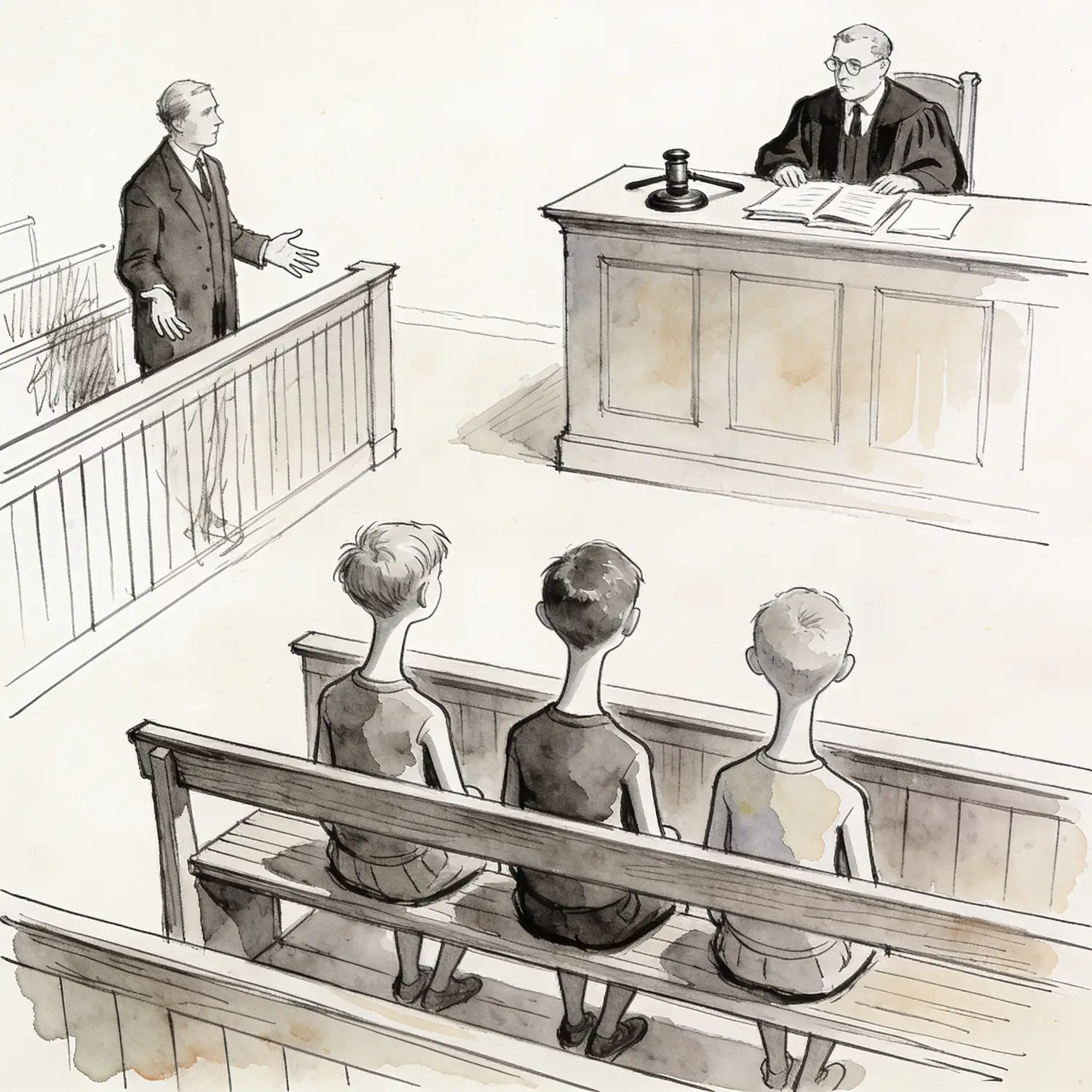
The High Court in Belfast has dismissed a mother's appeal against freeing orders made for her three young children, Adam, Louise and Anna, aged eight, seven and five, clearing the path for their adoption. The ruling, delivered on 1 April 2026 by Smyth J in the Family Division, upheld a decision made by Her Honour Judge McCormick KC at the Family Care Centre in Belfast on 1 August 2025.
The children had been voluntarily accommodated since 25 March 2021 and had not been in their mother's care since that date. The mother had not had direct contact with them since July 2022. All expert witnesses, including independent social worker Nadine Sharpe and clinical psychologist Dr McCrum, agreed that the children could not be returned to their mother's care, and that the therapeutic work she would need to make that possible could take several years.
The mother had raised seven grounds of appeal, centring primarily on whether the lower court correctly applied the legal test for unreasonably withholding consent to adoption under Article 18(1) of the Adoption (Northern Ireland) Order 1987, and whether the judge adequately resolved factual disputes relevant to her sense of grievance against the Trust. She also challenged the refusal to make a contact order under Article 53 of the Children (Northern Ireland) Order 1995, and argued the freeing orders were not necessary and proportionate in light of her Article 8 rights under the European Convention on Human Rights.
Smyth J found that the lower court had correctly stated and applied the relevant legal principles, including the three-stage test requiring the court to determine whether adoption was in the children's best interests, whether the mother was unreasonably withholding consent, and whether the freeing orders were necessary and proportionate. The appeal judge was satisfied that, while the lower court could have been more explicit in setting out findings on the mother's grievance, an overall reading of the detailed ruling showed it was soundly based on the children's experiences both before and after removal from their mother's care.
The court acknowledged that the Trust had failed to actively promote and progress contact with the mother following the children's removal. A narrative given to the children in February 2023, which linked their mother to a murder investigation, was criticised. The PSNI had confirmed six months before a February 2024 meeting that no charges would be brought against the mother, but the narrative given to the children was never corrected in the terms she had requested. Ms Sharpe was noted to have criticised the narrative's necessity and content, and also to have said the Trust placed too much emphasis on therapeutic input at the expense of maintaining contact.
Despite finding the Trust's handling of contact to have been poor, Smyth J concluded this did not alter the outcome. All experts, including Dr McCartan and Ms Sharpe, were of the view that any form of contact would currently be harmful to the children, and that prospects for future contact would depend on the mother's ability to accept the adoption decision and the children's response. The refusal of an Article 53 contact order was upheld on that basis.
While dismissing the appeal, Smyth J noted that the mother is a young vulnerable woman and that the abuse she had suffered within her family and the care system was not her fault. The judge recorded that the Trust had adopted the recommendations of Dr McCartan and Ms Sharpe following the hearing, and that Her Honour Judge McCormick KC had indicated any adoption application should, if possible, come before her so that the question of contact could be reviewed at that stage.